

Kitchen teams know that slow dishwasher cycles can disrupt service flow and productivity. When minutes stretch endlessly, pressure rises. This guide shares realistic methods to restore efficiency and maintain seamless operations under demanding, fast-paced conditions.
Consistent dish turnover sustains industrial kitchens. Delayed cycles interrupt routines, create sanitation concerns, and strain coordination. Proper maintenance, timely intervention, and clear communication are crucial for keeping dishwashers performing at their full capacity.
Inside this guide, you’ll find actionable steps to identify, prevent, and fix recurring slowdowns. Each technique supports better timing, cleaner results, and smoother workflows for chefs, stewards, and operations managers.
Pinpoint Key Factors Slowing Down Industrial Dishwasher Cycles
Teams that want to fix slow dishwasher cycles and boost productivity start by isolating the real culprits behind persistent delays. Knowing what to look for speeds up the solution process.
This section maps the landscape of common industrial dishwasher issues, focusing on diagnostics you can run before requesting outside service. Each step resets your operation faster, directly impacting throughput during busy hours.
Identifying Water Inlet Trouble Spots
Blockages or insufficient water pressure at the inlet lead to noticeably longer rinse and wash cycles. Staff sometimes miss this, assuming a more complex issue is at play.
Fast diagnostics include observing water fill speed; a noticeably slow fill signals a potential valve, filter, or line problem. This fix slow dishwasher cycles tactic restores lost minutes during back-to-back service.
If kitchen teams check inlet screens weekly for debris and mineral accumulation, they can prevent the most common slowdowns before they happen—a five-minute inspection makes a tangible impact.
Temperature and Soap Dosing: Invisible Speed Killers
If the water isn’t hot enough at cycle start, or detergents are wrong, cycles extend for extra cleaning time. Techs sometimes hear “The dishes aren’t coming out clean” when the real culprit is a slow rise to temperature.
A manager running a late-night check feels the supply line—lukewarm water signals a heater or supply line issue that slows cycles. Switching to calibration and immediate heater reset solves the timing lag.
Verify soap dosing and booster heater settings: if detergents are incorrect or the heater isn’t maintaining 150°F+, the dishwasher automatically extends cycles. Monthly checks fix slow dishwasher cycles before staff even notice.
| Issue | Observed Effect | Diagnostic Action | Takeaway |
|---|---|---|---|
| Low Water Pressure | Cycle won’t advance; dishes pile up | Observe water fill, check valves/hoses | Clean or replace inlet screens weekly |
| Clogged Filters | Water pools, residue on dishes | Inspect and clean all filters | Daily cleaning keeps cycles short |
| Faulty Heater | Longer cycles, lukewarm wash water | Check water temp at startup | Schedule monthly temperature checks |
| Incorrect Detergent | Inefficient cleaning, extended rinse | Test with standard dosing | Confirm detergent type and dose weekly |
| Broken Timers | Cycles don’t finish as programmed | Observe timing with stopwatch | Replace faulty control timers promptly |
Streamline Daily Filter and Nozzle Cleaning for Fast Results
When kitchen staff add filter and nozzle checks to routine cleaning, quick action shortens every cycle. Debris in these spots forces dishwashers to work harder, delaying cycles and impacting table turnover during peak service.
This fix works best when teams use a clear protocol: check, wipe, soak, and verify flow before and after each shift. Immediate style adjustments guarantee every plate comes out clean and on time, even during surges.
Attack Filter Buildup with a Four-Step Routine
Industrial units accumulate trapped food debris and mineral scale in filter baskets, which increases rinse times or prompts “Cycle still running?” complaints from the team. Here’s an actionable filter fix slow dishwasher cycles checklist:
Remove filters daily and rinse under hot water. If they seem sticky, a quick overnight soak in vinegar tackles mineral buildup. Scrub lightly with a dedicated brush, then replace and lock firmly. Teams following this pattern eliminate delays from clogs without leaving residue or odors behind.
- Remove filters and spray with hot water; rinse debris for clear water flow
- Soak stubborn filters overnight in dilute vinegar to dissolve mineral scale without harsh chemicals
- Scrub with a short, stiff-bristle brush focused on mesh and edges, making sure to clear each opening
- Send through a quick rinse; avoid putting damp filters back in—allow to air dry fully
- Reinstall with a twist-and-lock motion; verify snug fit to prevent bypass and water pressure loss
Pro teams display a filter cleaning schedule near the machine. Everyone signs off upon completion, setting a visual cue to sustain the fix slow dishwasher cycles mindset daily.
Nozzle Jet Unclogging: Restore Full Spray in Seconds
Nozzles clogged with food or limescale leave dishes half-washed, forcing cycle repeats and wasted time. Preventing this is direct—run a quick toothpick check each morning and after any heavy cycle.
If jets drip or miss a spray zone, remove and soak them in a solution of hot water with a splash of lemon juice or vinegar. Rinse, poke clear with a straight pin, and reinstall firmly for full spray coverage at the next start.
- Unscrew nozzles when spray becomes uneven; work slowly to avoid damaging threads
- Drop nozzles into a warm water and food-safe acid bath for 15–20 minutes; soak dissolves scale
- Run a pin through all openings before rinsing, looking for grit or stuck-on deposits
- Flush under the tap to remove leftovers; shake dry and reinstall
- Test with an empty run to confirm spray pattern; verify water reaches all racks
This fast nozzle reset can shave minutes per cycle in higher-throughput settings. Results are visible in cleaner plates and instant cycle time reduction.
Spot Early Signs of Component Wear and Act Quickly
Acting when early wear shows ensures mechanisms work smoothly—critical for teams determined to fix slow dishwasher cycles year-round. Recognizing these changes lets managers prevent full stoppages and urgent repair calls ahead of peak shifts.
Watch for grinding noises, loose handles, or inconsistent door seals. When identified early, minor fixes return the unit to proper speed and cleanliness with minimal downtime.
Seals, Gaskets, and Door Mechanism Audits
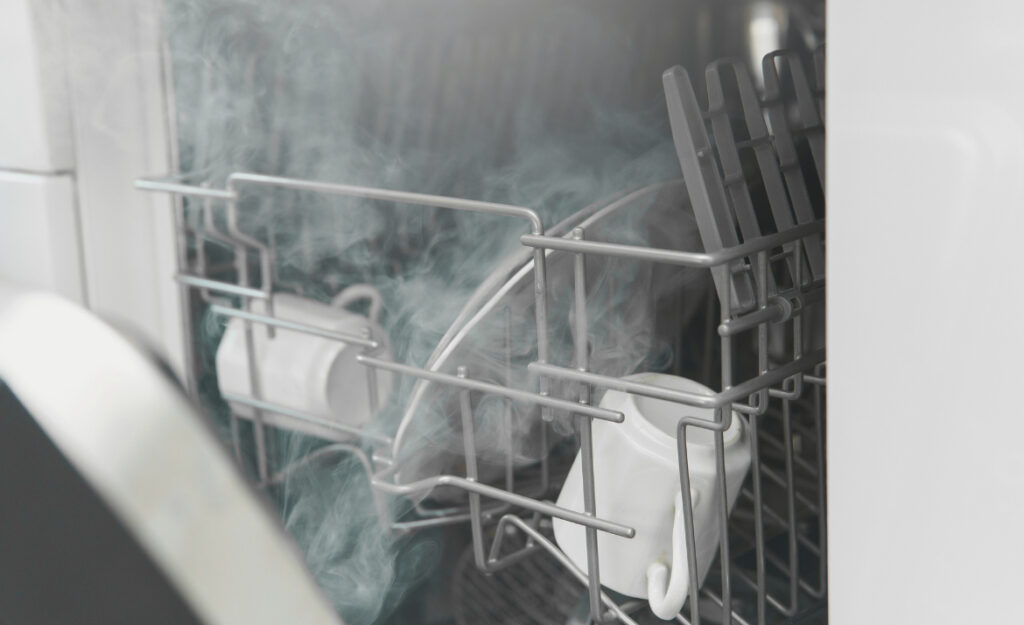
A weakened seal allows steam and water to escape, lengthening cycle time while risking leaks that damage nearby equipment. See condensation on the door or find water pooling on the floor? Replacement is due.
Teams have success checking gasket elasticity weekly: press gently, watch for cracks or thinning. A fresh, flexible seal keeps heat and pressure optimal, directly speeding up each wash cycle.
If the handle feels loose or sticks, tighten or replace. This prevents premature door opening, which otherwise triggers a restart and a drawn-out cycle.
Spray Arms and Internal Moving Part Maintenance
Inspect spray arms during shift changeovers—they must spin freely, with no strange noises or wobbles. Even slight misalignment increases cycle time and reduces water coverage, so prompt re-seating helps.
If there’s drag or visible wear, swap out worn bushings and washers. It’s a five-minute swap with huge returns: restoring even motion means every wash is efficient and thorough, keeping fix slow dishwasher cycles at the forefront.
Teams that document and schedule part checks, noting when replacements happen, reduce long-term downtime—and maintain cycle speed regardless of turnover or kitchen traffic.
Redefining Efficiency: Faster Dishwasher Cycles, Less Stress
By implementing tactical fixes for slow dishwasher cycles, industrial kitchen teams notice faster plate rotation and fewer disruptive bottlenecks. This guide’s filter routines, part checks, and pressure audits serve as keystone habits for resilient, high-output operations.
Each small step compounds into smoother service, letting kitchen staff focus on food and customer experience. Fewer manual rewashes, less waiting for cycles to finish, and stress-free equipment health checks become the new normal, especially for volume-heavy kitchens.
Kitchens that prioritize cycle time maintenance see improvements across the board: cleaner output, reduced breakdowns, and lower energy bills. Embedding these practices transforms dishwashers from stress-inducers to reliable workhorses. Start adopting these routines today to experience real, lasting impact in your workflow.
Frequently Asked Questions
- What’s the fastest daily habit to fix slow dishwasher cycles in industrial kitchens?
Daily filter removal and rinsing under hot water clears debris fast. Just one five-minute cleaning after each shift can reverse most recurring slowdowns and keep your cycle times tight. - Is low water pressure a common cause of slow cycles in commercial dishwashers?
Yes. Insufficient pressure extends wash and rinse stages dramatically. Check inlet screens, valves, and on-site plumbing weekly. Restoring normal pressure usually brings the dishwasher cycle back to standard speed. - How can I tell if a worn gasket is delaying my dishwasher’s cycles?
Condensation on the door or a loose seal when pressed are signs. Cracked, flattened, or brittle gaskets allow heat to escape, forcing longer cycles. Replacement ensures optimal temperature and efficiency. - Will replacing the detergent fix slow dishwasher cycles?
Inadequate or wrong detergent can require the dishwasher to add extra rinses. Use product recommended for your machine and calibrate dosing regularly. Productivity gains show up almost instantly after this change. - How do I reset cycle speed after emergency repairs?
Complete a test run with an empty load after any maintenance. Observe fill, wash, and rinse timings, then check for leaks, noise, or error codes. Recalibrating after repairs ensures cycles run at peak speed again.