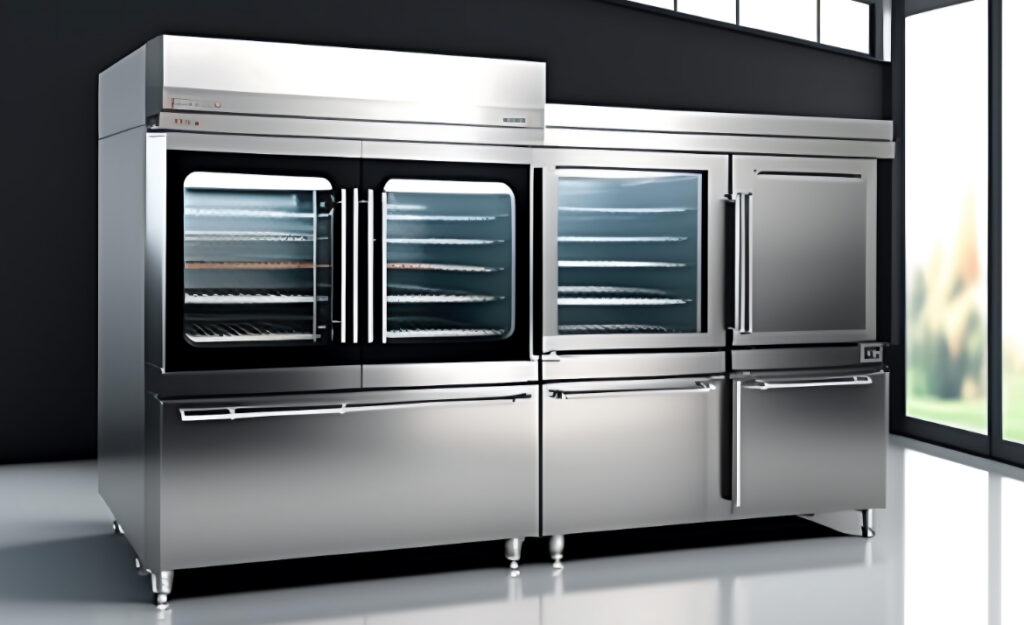


Opening a freezer in an industrial kitchen can sometimes feel like peering into a chilly labyrinth. Messy spills, frosted-over shelves, and scattered containers disrupt the pace. That’s where freezer cleaning hacks become invaluable for keeping things efficient and spotless.
Mess isn’t just an eyesore; in a bustling kitchen, it disrupts workflow and compromises safety. Cleanliness can impact everything from food quality to inspection outcomes, making smart freezer maintenance a daily necessity for kitchen teams.
Below, you’ll find a friendly, actionable guide packed with practical freezer cleaning hacks tailored to industrial kitchens. Let’s dive into the habits, checklists, and strategies that save time and deliver sparkling results.
Proven Routines for Keeping Your Freezer Debris-Free Each Shift
Establishing a habit for regular freezer cleaning dramatically reduces overall effort. It prevents build-up, saves time during deep cleaning, and guarantees better standards in an industrial kitchen.
Quick checks at the end of each shift catch spills before they freeze. It’s like wiping a counter before crumbs turn sticky—small actions after every use pay off soon.
Post-Service Surface Scan: A Time-Saver
Every staff member should visually scan freezer shelves and door seals after service. Assign this task just like checking fryer oil. Look for debris or residue and wipe it away before it hardens.
Teams often say, “Spill on the bottom again!” That’s the cue to use a soft brush and a clean towel for fast removal. Collecting debris daily keeps stains from becoming stubborn problems.
If you spot sticky packaging oozing underneath, carefully discard the culprit and sanitize the section before restocking. This routine makes bigger cleaning jobs much shorter.
Weekly Deep Dive: Setting the Standard
Each week, set aside 30 minutes for a more thorough freezer inspection. The shift supervisor can lead with a checklist and a positive tone—“Let’s hit this together before clock-out.”
Focus on corners, under racks, and fan grills. Assign pairs to tackle separate shelves with microfiber cloths soaked in diluted sanitizer. It’s teamwork that pays off throughout the week.
Post-cleanup, review with a flashlight. Shining a light under the lowest shelf reveals hidden frost or crumbs. That one extra look means maintenance won’t miss critical zones next time.
| Hack | Frequency | Tools Needed | Next Action |
|---|---|---|---|
| Surface Wipe | After Each Shift | Microfiber Cloth | Assign cleaners and track tasks on a chart |
| Deep Clean Racks | Weekly | Sanitizer, Brush | Confirm thoroughness with flashlight inspection |
| Seal Cleaning | Each Day | Soft Brush | Document issues for maintenance if seals are cracking |
| Drain Clearing | Monthly | Pipe Cleaner | Add to monthly checklist, note completion in log |
| Defrost Cycle | Quarterly | Fan, Towels | Coordinate with inventory manager to minimize food loss |
Efficient Defrosting Techniques Without Interrupting Kitchen Workflow
A good defrosting method keeps food safe, prevents downtime, and ensures staff aren’t stuck with thick layers of ice. Choose strategies that avoid heavy disruption.
One trick is to schedule defrost around prep time, using movable storage and fast-dry cloths. This approach cuts down risk, keeps staff active, and gets everyone back to business quickly.
Cold Storage Swap
Storing food in a nearby backup fridge for even 30 minutes opens access for rapid defrosting. This shifts pressure off the main freezer and frees the team to work fast.
- Move perishables using rolling bins. Preserves temperature and speeds up the swap. Label bins so all staff can return items to their original spot.
- Prep towels and fans ahead. Soak up melting ice right away to prevent watery mess. Direct fans at key corners to speed drying without risking electrical hazards.
- Scrape gently with plastic spatulas. Fast removal works best when ice starts to loosen. Never use metal scrapers; sharp tools can tear linings.
- Wipe down gaskets and hinges before ice returns. Keeps doors closing tight, enhances energy efficiency, and helps keep frost from returning where it started.
- Recheck temperature dials. Let everything stabilize for five minutes before restocking. Ensures the freezer is cold and ready, reducing stress for the next kitchen shift.
Each time your staff completes a cold storage swap, note the time. Try to beat your previous record while following every safety step and cleaning guideline.
Heat Point Hack
Defrosting with carefully placed, unplugged hot pans speeds melting—without any unsafe tricks. Lay pans, heated with hot tap water, onto sealed racks to accelerate thawing, switching them every five minutes.
- Use pans with secure handles. They’re safer for maneuvering in cold, slick environments. Always carry two at once to avoid double trips across the kitchen.
- Work in pairs when handling hot pans inside the freezer. Good teamwork cuts the risk of accidental burns and quicker cleaning results.
- Rotate pans frequently. Every five minutes, replace cooling pans with fresh ones, maintaining fast, even melting and preventing uneven ice breakup.
- Dry all surfaces thoroughly after every session. Moisture left behind promotes faster refreezing and may cause kitchen slip hazards.
- Document results on your cleaning log each time you use this hack. Quick records help refine timing for future defrosting routines.
Choose the heat point hack when tight timeframes demand creative tactics. Fast, systematic teamwork ensures food safety and keeps the schedule tight.
Targeting Hidden Areas: Cracks, Crevices, and Seals Revealed
Cleaning isn’t complete until you tackle those tough-to-spot places where frost and crumbs hide. These freezer cleaning hacks dig into corners and seals, catching what a surface clean misses.
The difference is seen in compliance scores and fewer breakdowns. Persistent grime in hard-to-see areas may cause door seal leaks, which strain the freezer motor and reduce lifespan.
Door Gasket Refreshers
Press your thumb along each door gasket to feel for trapped bits or hidden ice buildup. “Sticky seal here!” is a prompt to act right away, not to postpone.
Dip a soft-bristled toothbrush in diluted sanitizer, scrubbing gently along every fold. Pay attention to where two gaskets meet—crumbs commonly wedge there after shift change, so a final inspection pays off.
After clean-up, towel dry and leave the freezer open five minutes to air out. This prevents new condensation from making gaskets sticky until the next use.
Under-Shelf Sweep Tactics
Sliding out shelves is vital in industrial freezers, where stray food bits collect unnoticed. It’s easy to overlook low rails when ice trays are nearby, so assign someone each week to check underneath racks.
Use a vacuum with a pointed nozzle for deep crevice cleaning. A single pass, angled toward the wall, delivers best results. Follow with a damp cloth wipe for complete coverage.
Replace and realign shelves carefully. Confirm smooth gliding motion by sliding each one back and forth a few times post-cleaning.
Minimum-Contact Methods for High-Frequency Surfaces
Cleanliness matters most for surfaces staff touch the most. These freezer cleaning hacks minimize contact so hands stay clean, and cross-contamination risks stay low.
Use disposable wipes and designated color-coded cleaning supplies to quickly hit handles, buttons, and shelf lips—places many hands reach every shift.
Disposable Wipe Protocol
Pull a fresh wipe and use it in a smooth line from top to bottom of the surface. Don’t double back—one wipe per task limits germ spread and gets the job done fast.
Discard the wipe immediately into a no-touch trash can. Call out if supplies run low, keeping the process efficient for everyone in the kitchen.
Assign a different wipe color for each kind of surface. Blue for stainless, green for plastic, white for door handles; having a code prevents cross-use and confusion during rushes.
Fast Sanitation for Controls and Monitors
Use a spritz of alcohol-based sanitizer on a soft paper towel for touchscreens and dials. Never spray directly—moisture creeps through seams and damages delicate circuits.
Wipe in circular motion, covering the entire button area and screen edges. After five seconds, surface germs are eliminated, and the freezer is safe to use again.
If unsure, a gloved finger can finish the crevice with a swipe of the moistened towel. Immediately log the cleaning on your daily schedule for proof and tracking.
Preventative Habits: Extending Freezer and Food Life
Consistent freezer cleaning hacks extend both machine life and food freshness. Maintenance isn’t just a chore; it’s protection against spoilage, costly repairs, and downtime.
Incorporate simple checks before each new batch of deliveries. Every week, roll out this stepwise habit so nothing is neglected or forgotten during busy periods.
- Label and date each new food entry. Ensures rotation and uses older stock first, minimizing risk of deep-frozen waste hiding at the back.
- Store items in clear, sealed bins. Stops leaks from escaping, keeps airflow clear, and allows visual checks for frost or spills before each use.
- Check for overpacked shelves. Too many stacked items cause airflow issues and accelerate ice buildup, leading to more frequent cleaning headaches.
- Run a fan on low for 10 minutes each week, with doors open. Reduces condensation when staff loads new deliveries, saving time on manual drying.
- Observe and adjust temperature as the freezer fills up. Heavy loading changes cooling rates; noting this early prevents issues with partially frozen or over-thawed items.
Every time you train a staff member on these preventative steps, reinforce that attention now saves hours of effort later and preserves food safety at scale.
Troubleshooting: Addressing Persistent Freezer Challenges Head-On
Long-term kitchen crews know stubborn ice and recurring messes need targeted plans. These freezer cleaning hacks counteract challenges, whether from broken seals, recurring frost, or unexpected power blips.
Track patterns on a maintenance board—where do drips return? Which shelf always has frost by Thursday? Noting these lets you sharpen tactics each cycle for smarter results.
Cracked Seal Replacement in Busy Shifts
If you spot a brittle door seal, alert the shift lead right away. Record, photograph, and tape a warning sign to avoid unnecessary slamming until repairs finish. Loss of seal means expensive cold leaks and high energy bills.
Use duct tape as a short-term patch—place it only along the crack, never over the working hinge. If you’re waiting days for repairs, add a daily wipe down to keep grime from building up under the tape.
After installing a new seal, monitor its flexibility with each shift swap. “Push it with your thumb. It should pop back fast!”—staff can remember this simple check as part of closing routines.
Addressing Power Outages and Ice Surges
Surprise blackouts mean thawing risk. Direct staff to minimize door opening immediately and move perishables as soon as possible to backup storage. Assign roles so communication stays clear.
After power restoration, use thermometer logs to check safe temperatures before reloading. If icing happened during downtime, scrape gently in sections to avoid overwhelming the drain or risking fast refreeze.
Finally, update your cleaning log and maintenance call notes. Tracking the impact offers better defense against future electrical hiccups and enables smoother audits by management.
Streamlining Documentation and Training for New Staff
Keeping cleaning processes visible supports consistency and new-staff onboarding in industrial kitchens. Posting step-by-step guides by the freezer means nobody guesses what comes next—results stay reliable throughout staff changes.
Consider pairing new hires with an experienced team member for freezer routines. Observing and recording hacks in real-time supports retention and boosts efficiency. “Let’s walk through this checklist, then switch roles.”
Checklist Creation and Visibility
Post the most-used freezer cleaning hacks on laminated cards. Place them in a clear holder at eye-level beside the freezer. This makes quick reference second nature, even for rushed shifts.
Include step sequences: “Scan shelves, clear debris, wipe gaskets, record time.” Simple wording and icons lower barriers, and repeated use builds muscle memory among all staff.
Pairing these lists with color-coded logs encourages routine reporting. “Red for missed spots, green for all-clear.” A quick glance tells everyone where to focus next and keeps standards high.
Peer-Led Demonstrations
Create brief five-minute demos before prep. Assign a staff member to show two hacks and answer follow-up questions on the spot. Observers should repeat with feedback, reinforcing understanding among new hires.
Encourage staff to share their own freezer cleaning hacks and record top tips. Sharing keeps ideas fresh and morale high, especially when applauded during regular staff meetings.
At shift’s end, review documented results and grade the process as a team. “We finished in 22 minutes flat today!” Recognition encourages continuous improvement and pride in every cleaning job.
Consistent Cleaning Sets the Tone in Every Industrial Kitchen
Adopting strategic freezer cleaning hacks saves time, boosts efficiency, and upholds standards in every industrial kitchen. When routines are clear, the biggest jobs become manageable for teams of any size.
Every habit described here, from daily touch-ups to deep crevice attention, protects not only food safety but also appliance health and staff morale. Consistent, well-timed cleaning keeps kitchens ready for any challenge.
Commit to tracking, teamwork, and visible checklists. These approaches ensure long-lasting cleanliness and free up time for what matters most—prepping and serving top-quality food every shift.
Frequently Asked Questions
What’s the fastest way to defrost an industrial kitchen freezer?
Use rolling bins to move food, then apply hot pans safely for rapid melt. Always wipe away water promptly, document times, and confirm temperatures before restocking.
Which cleaning products are safe for food storage areas?
Choose approved food-safe sanitizers, avoid harsh bleaches, and always check labels for compatibility with stainless steel or plastic racks. Rinse surfaces thoroughly before replacing food.
How frequently should drain lines be cleared?
Schedule drain cleaning monthly in industrial kitchens, or sooner if slow drainage occurs. Use flexible pipe cleaners and document each completed cleaning in the maintenance log for inspection purposes.
What are the best strategies for staff training?
Pair new hires with experienced staff, walk through stepwise routines, and practice peer-led demonstrations. Reinforce learning with visible checklists and celebrate quick, thorough completion together as a team.
How do I prevent odors in the freezer?
Use sealed containers, label and date all inventory, and complete a wipe-down of all surfaces every shift. Baking soda in an open container can help absorb lingering smells between major cleanings.