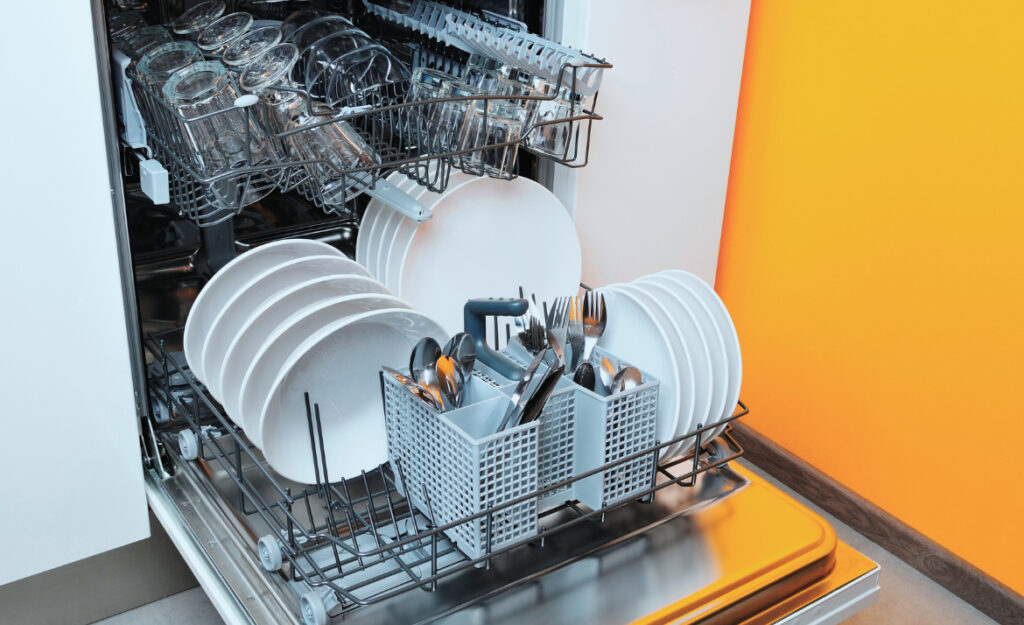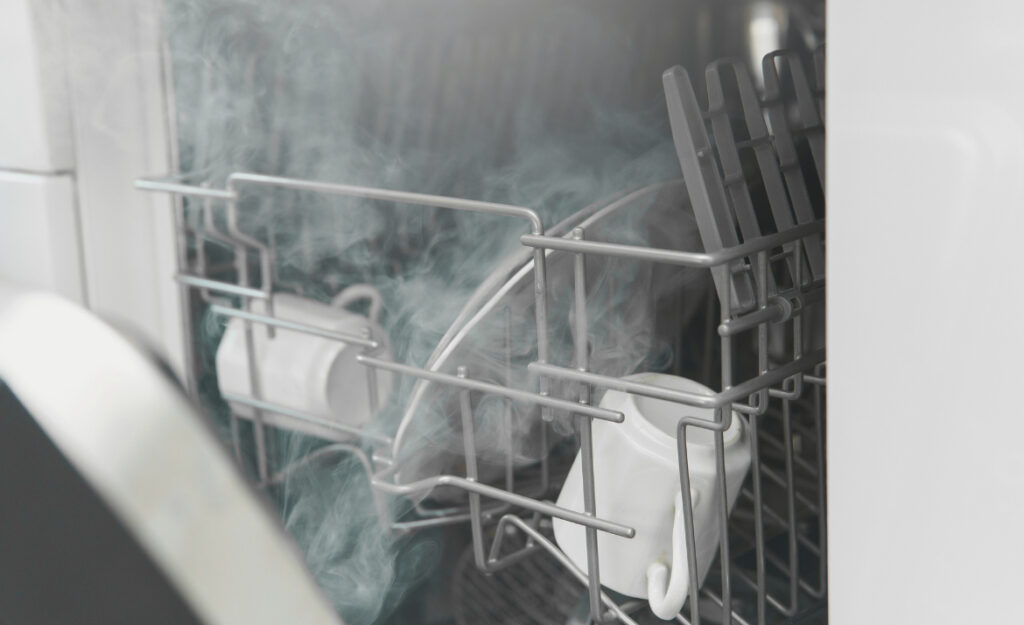

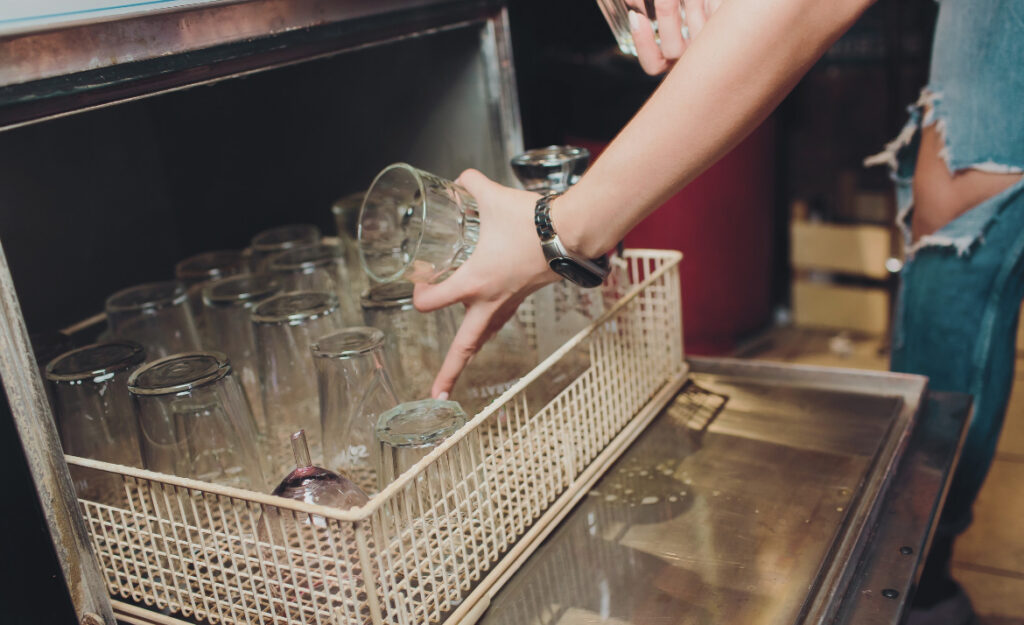
Seeing a fast-moving industrial kitchen, it’s easy to miss the small things that prevent accidents. Applying dishwasher safety tips consistently keeps everyone safe, even during rushes. People rely on quick routines, but safety isn’t automatic; it’s intentional and requires focus daily.
Commercial kitchens live on efficiency, yet every shortcut matters when it comes to well-being. Dishwasher safety tips reduce risks of injury, electrical issues, and cross-contamination, which not only disrupt service but can cost a kitchen its good reputation.
Throughout this detailed guide, you’ll find pragmatic instructions, scripts for real scenarios, and lists you can use to reinforce safer work habits right away. Let’s dive into industrial dishwasher safety, step by step.
Build Robust Safety Routines in Your Dish Pit
Everyone working the dish pit must adopt repeatable routines to keep things safe, clean, and efficient. Specific actions reduce injuries, prevent chemical mishaps, and keep equipment working its best throughout non-stop shifts.
Even on busy nights, these dishwasher safety tips can be built into every action: from wearing the right gear to checking machine settings before starting. Safe dishwashing isn’t guesswork—it’s a checklist anyone can implement.
Set Expectations with Pre-Shift Checklists
Start each shift with a checklist review. This simple document keeps everyone responsible for safety before things get too hectic. Go step by step, from inspecting the floor for slick spots to checking the spray arms for blockages.
Verbalize the task together: “Grab aprons and gloves, confirm the dishwasher’s door closes fully, and test emergency stops.” By saying these instructions aloud, you ensure no steps are ignored, even under pressure.
Regular checklists also keep new team members from being left behind. Print them and post them near the dish station, so every staffer follows the same process every shift.
Gear Up Before Loading Dishes
Personal protective equipment protects skin from both burns and chemicals. Slip-resistant shoes are non-negotiable. Nitrile gloves shield hands from cleaning agents and scalding water during loading and unloading cycles.
Avoid rolled sleeves—exposed forearms increase the chances of burns from steam blasts. Provide disposable aprons to act as a barrier against hot water splashes, and encourage staff to remove all jewelry for easy sanitization.
Check mirror placement for eye protection near the machine; sudden hot water spray surprises no one when safety glasses are available. Staff will feel ready and protected in this gear.
| Routine | Tool or PPE | When to Use | Takeaway Action |
|---|---|---|---|
| Start-Up Inspection | Checklist, flashlight | Before first wash cycle | Follow checklist aloud with team |
| Loading Racks | Nitrile gloves, apron | Each time handling dirty or clean dishes | Change gloves if torn or contaminated |
| Chemical Refills | Eye protection, measuring jug | Every chemical reset | Read chemical labels every time |
| Post-Shift Clean | Broom, degreaser | End of shift, before lockup | Assign by name on chore chart |
| Emergency Procedures | Signage, first aid kit | Any time there’s a mishap | Point out kit locations weekly |
Keep Dangerous Shortcuts Out of the Kitchen
Cutting corners to speed up washing can have severe consequences. These dishwasher safety tips show how small unsafe habits turn into major incidents, and why fixing them prevents setbacks.
Team members sometimes skip steps to save a minute, but every shortcut that bypasses a required safety measure exposes staff to burns or slips. Address each risky action promptly by naming the risk and showing the correct process.
Spot Unsafe Habits Before Accidents Happen
Observe kitchen team routines for signs of trouble: propping open machine doors, pouring chemicals with bare hands, or stacking racks unsafely. These actions signal shortcuts are replacing best practices.
- Replace wedged-open dishwasher doors with proper latching; unlatching mid-cycle exposes staff to hot steam burns.
- Require two-handled containers for moving detergents; this control prevents splashes and spills that could cause slips.
- Designate a dry-off zone with non-slip mats, so staff don’t hurry across slick floors holding clean dishes.
- Prohibit chemical “top-ups” in the middle of cycles to eliminate exposure to hazardous fumes or unmeasured concentrations.
- Schedule supervised practice washes weekly; these reinforce the expectation that every safety step is non-negotiable, no matter how busy things get.
Fixing unsafe behaviors is a team effort. Assign one person per shift to spot-check and remind others about these dishwasher safety tips in real time.
Embed Safe Chemical Handling Deep in Team Culture
Instill rigid processes for storing and dispensing chemicals. Always keep containers labeled and in a locked cabinet between uses. This kind of structure prevents accidental mix-ups or unsupervised access by untrained staff.
- Lock up all sanitizer bottles at shift change; a quick checklist check ensures nothing is left on the floor or counters.
- Wear eye shields and gloves during each refill. Announce out loud: “I’m filling the sanitizer dispenser.” This draws attention to the risk, keeping coworkers clear.
- Always dilute chemicals with the correct dose. Reconfirm by reading the label together before pouring; mis-dosed cleaner harms both equipment and staff.
- Never repurpose food containers for chemical storage, even briefly. Staff will avoid confusion and dangerous mistakes.
- Update chemical safety sheets quarterly and quiz staff as a reminder. Learning the hazards regularly keeps the rules top of mind, especially for new team members.
Making these techniques habitual fortifies your kitchen against accidents from unsafe practices.
Train Staff to React Quickly and Safely to Hazards
If an emergency arises, it’s critical that every kitchen worker responds immediately and systematically. Embedding dishwasher safety tips into emergency drills ensures quick thinking and proper response during real events.
Establish response steps that match realistic kitchen scenarios, such as steam bursts, chemical spills, or overflowing drains. Drill these scripts until responses become second nature.
Rehearse Real-Life Safety Scripts
In mock emergencies, assign staff to say trigger phrases like, “Hot water on floor!” or “Sanitizer spill by the machine!” Everyone should freeze, point out the risk, and direct others to safety without panic.
Practice these moments each week so the team’s reactions are automatic. Add visual signals—waving an arm overhead or holding up a colored sign—during drills to help reinforce memory.
End each drill with a debrief where teammates explain what they did and learned, marking improvements for the next round. These steps solidify the habit of calmly managing hazards.
Create a Feedback Loop with Incident Logs
After each incident or close call, record details in an easy-to-access log. Capture time, cause, and initial actions taken by staff. This creates a running history of challenges faced and solved.
Review the log each month to identify patterns or repeating issues. If a certain hazard recurs—say, fogged goggles or mismatched gloves—change processes to fix those weak spots directly.
Communicate these findings in team meetings, so everyone knows which dishwasher safety tips make the biggest difference for their specific kitchen layout and workflow.
Establish Efficient Workflows That Block Risk
Organized kitchen layouts and clear roles allow dishwasher safety tips to become second nature. Streamlined traffic patterns reduce accidental collisions, while defined staging areas keep clean and dirty items separated at all times.
Teams who practice set routes and avoid last-minute “dashes” through the dish pit find fewer dropped dishes, less chaos, and stronger hygiene compliance by default.
Strengthen Maintenance Schedules for Fewer Accidents
Scheduled maintenance stops prevent mechanical failures and reduce risks from loose parts, stuck doors, or malfunctioning sensors. These dishwasher safety tips, like regular inspections, ensure reliable performance on every shift.
Document every repair, filter replacement, and sensor reset. Assign maintenance to trained staff, who follow step-by-step guides for each model. Post charts showing the last service date and next check-up.
Build a Culture of Continuous Dishwasher Safety Awareness
Ongoing reminders and visible signage reinforce dishwasher safety tips even for experienced teams. Change up messaging each month to keep attention high and avoid “rule fatigue” during long stretches of busy service.
Practice two-minute safety standups daily: pick one tip, have each worker explain it, then share a real kitchen example of what can happen if it’s skipped. Team stories stick better than policy lists alone.
Conclusion: Safer Kitchens Mean Happier, More Confident Teams
Every commercial kitchen that takes dishwasher safety tips seriously sees fewer injuries, more reliable dish machines, and smoother service during the hardest rushes. That consistency helps everyone—from dishwashers to managers—feel safe and supported.
Making these steps a routine means fewer breakdowns and less emergency downtime, which protects revenue and ensures customer satisfaction. It all starts with empowering staff to own safety, one action at a time.
Commit to daily routines, keep communication open, and reinforce dishwasher safety tips as a living part of your kitchen culture. That’s the secret to sustainable, safe food service success.
Frequently Asked Questions
What’s the most common dishwasher injury in commercial kitchens?
Thermal burns from steam and hot water are at the top of the list. Preventing these involves staying alert, using proper gloves, and always waiting for the cycle to finish before opening the machine door.
How often should safety checklists be reviewed?
Review them every shift, as part of your opening and closing routines. Adjust them quarterly to reflect any changes in staff, chemicals, or workflow, so everyone stays informed and up to date.
Which dishwasher safety tips improve hygiene, too?
Separating dirty and clean racks, enforcing proper PPE, and following chemical dilution guides boost hygiene standards. These actions prevent cross-contamination and help keep your kitchen up to food safety code at all times.
Do chemical refills require special equipment?
Yes. Always use appropriate containers with spill-proof spouts, along with gloves and eye protection. Only trained staff should handle refills, and never use food containers for chemical transfer to avoid cross-contamination.
What’s the fastest way to improve daily safety habits?
Mandate pre-shift safety briefings. One leader names the safety focus for the day, and staff demonstrate the routine in person. Quick feedback makes corrections immediate and lasting, raising everyone’s awareness on each shift.