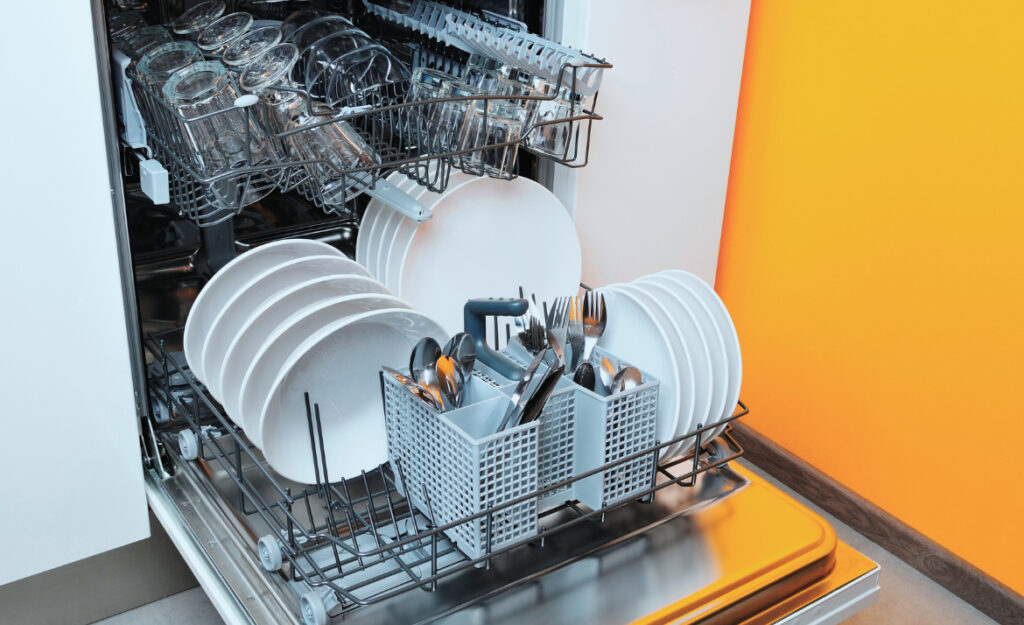

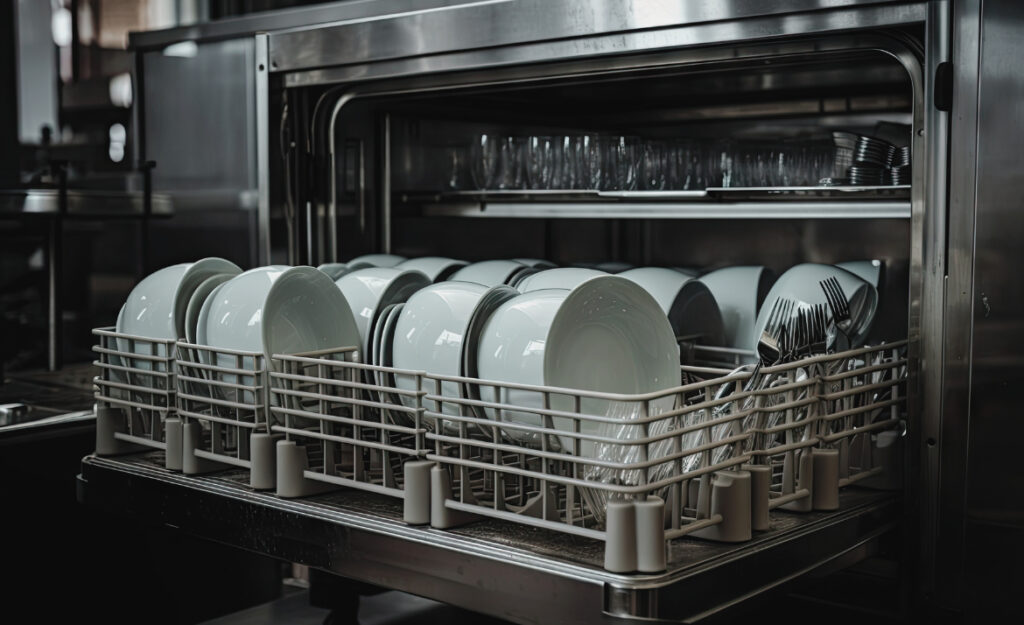
A sparkling rack of glassware relies on more than soap and heat—industrial kitchens need to clean dishwasher filters regularly to make sure every plate comes out spotless and safe for service.
Neglecting dishwasher filter maintenance leads to residue buildup that makes expensive appliances perform below standard. Filters clogged with food debris can fast-track odor, reduce cleaning power, and even cause breakdowns that disrupt busy meal service hours.
Keeping your industrial dishwasher at peak efficiency means giving its filters the attention they deserve. Explore this comprehensive guide for practical steps, tables, and actionable checklists to stay ahead of common kitchen surprises.
Pinpointing Filter Locations for Commercial Dishwasher Success
Locating every filter is a tangible first step in your routine to clean dishwasher filters for top performance. Missing one means unseen debris stays in circulation, and results suffer immediately after a wash cycle.
Dishwasher models for industrial kitchens vary, so take time to look at your user manual or use the diagrams commonly found on access panels. Every model places intake, mesh, and drain filters slightly differently, yet recognizing all is key for a complete clean.
Main Access: Opening Panels with Minimal Downtime
Staff follow a script before opening a heavily used machine: close off the water supply, disconnect power, and wait at least five minutes for safety. Safety gloves matter even here—those stainless filter rims can be razor-sharp.
Panels unsnap or unbolt underneath spray arms or at the base of the wash chamber. Watch for gasket seals: if they feel loose, log it for replacement during your inspection. This small step keeps leaks away after reassembly.
Transparent conversations between shift leads cut confusion. One chef says, Youll find the mesh screen just under the center spray; press the tab and lift gently. That specificity reduces delays and mistakes.
Spotting Hidden Debris Zones
Filters aren’t always solitary—side cavities, corners behind spray arms, or auxiliary screens collect stray food. Using a flashlight at every inspection ensures no onion peel or lemon seed escapes the cleaning list.
Failure to check these zones means gritty deposits keep circulating. The kitchen manager who reminds staff, Dont miss the corners near the drain, saves the team rework later in the shift.
Imagine you’re scanning shelves in a pantry. Walk your eyes along the dishwasher floor edges in the same way, lifting screens or grates systematically as you go. Leave nothing to guesswork and use a phone photo to confirm coverage if needed.
| Filter Type | Typical Location | Tool Required | Action Item |
|---|---|---|---|
| Main Mesh | Beneath spray arm, base | None | Lift tab, rinse under strong water |
| Intake Screen | Inlet hose connection | Pliers | Loosen, inspect for clogs, rinse |
| Drain Filter | Near drain exit, bottom rear | Gloves | Pull straight up, clear residue |
| Pre-filter Grid | Along chamber sides | Flat-head screwdriver | Unclip grid, brush food away |
| Fine Silt Trap | Base slope, center | None | Flush gently, inspect with light |
Leveraging Proper Tools for Safe, Efficient Cleaning
Equipping your team with the right tools for clean dishwasher filters pays off in faster shift changes and fewer scratched components. Insist on soft brushes, food-safe gloves, and anti-slip mats for every session.
Basic hand tools and a simple caddy in the utility area ensure no one improvises with a dinner fork or cleaning rag that snags residue deeper inside a filter’s mesh.
Setting Up a Dishwasher Filter Toolkit
Standardize your kit: one sturdy nylon brush to sweep particles, a squeeze bottle for targeted rinsing, and a spare mesh if emergency swaps occur mid-service.
- Store gloves in a sealed container to avoid lingering food odors that transfer to the filters during cleaning.
- Keep a labeled bottle for filtered water to splash debris away safely from delicate screens.
- Use color-coded cloths for drying, so lint stays off your freshly washed filters every time.
- Position hand tools in a basket right beside the dishwashers cleaning station. This saves time, especially during peak service turnover.
- Add a notepad with quick troubleshooting reminders for new hires or temp staff. This ensures best practices even with kitchen turnover.
Consistency with simple, visible tools means fewer shortcuts and safer filtered cleaning cycles for every shift.
Quick Daily Checks to Prevent Downtime
Before every meal shift, delegate a team member to remove, rinse, and inspect major filters, using the toolkit checklist provided. This five-minute routine stops accumulated debris from becoming an emergency later.
- Assign a colored tag to each filter housing, so everyone knows its removal order—start left to right, top to bottom.
- After rinsing in warm water, check with a flashlight for cracks or threads that could snag debris in the future.
- Sanitize tools after each session to prevent bacteria from sticking to newly cleaned filters.
- Note the date and initials in a logbook, so any filter skipped by accident can be traced easily.
- If you spot persistent stains or soap film, reserve that filter for a deep soak and swap in the backup mesh.
This streamlined workflow ensures no surprises when kitchen audit day arrives or guest volume spikes without warning.
Establishing Filter Cleaning Intervals That Actually Work
Scheduling isn’t just theory—your kitchen’s cleaning frequency for dishwasher filters shapes real results. Staff can rely on clear intervals, tracked visibly, to prevent service delays and ensure a flawless first wash of the day.
Cleaning routines based on peak period frequency or visual cues work best. By monitoring the exact pace of residue buildup, you can shift from fixed weekly cycles to adaptive schedules tailored for your kitchen’s needs.
Daily Visual Spot-Checks for Residue
A kitchen lead glances at the filter with a practiced eye after the lunch rush. If the mesh gleams under the spotlight, the cleaning happened recently. If cloudy, the lead marks it for immediate rinsing.
Seeing leftover spinach or breadcrumbs predicts flow problems in the evening rush. Adopting this habit turns every pass of the dishwasher door into a micro-inspection opportunity—filters never get clogged unannounced when someone’s always looking for change.
After two weeks with daily checks, residue consistently drops. Staff start logging even tiny buildup, pushing cleaning intervals further apart with no drop in cleaning results. On busy weeks, tight schedules catch up, and no one faces a surprise call-out.
Adapting Schedules to Menu Changes and Volume
Filter cleaning frequency changes with your menu. A high-vegetable week sees more loose skins, while heavy meat shifts clog fine mesh filters with tendons and fat. Team leads record these shifts and align clean dishwasher filters routines precisely.
Seasonal spikes in banquet events warrant a faster cleaning loop, sometimes doubling filter checks before and after service. Staff who record peak event residue spot patterns in filter wear that can inform the next order for replacement screens or mesh inserts.
This approach takes guesswork out of scheduling, so busy kitchens flex their maintenance routines alongside kitchen output—never the other way around.
Improving Filter Longevity and Cleaning Power Simultaneously
High-performing kitchens want filters to last longer without sacrificing the power of every clean dishwasher cycle. Balancing gentle, consistent cleaning with timely replacement leads to cost savings and better hygiene standards.
Heavy-handed scrubbing or harsh chemicals may help in the short term but wear down delicate filter mesh. Instruct all staff to stick with soft bristle brushes and non-abrasive cleaners for the best balance.
Low-Impact Deep Cleaning: Step Sequence that Delivers
For scheduled deep cleans, staff unplug the washer, remove each filter, and soak in a gentle food-safe solution designed for stainless steel mesh. This loosens trapped starches or fat residue without scratching surfaces.
After soaking, a soft brush clears stubborn deposits along the mesh edge. Rinsing under flowing filtered water completes the process. Each filter gets air-dried in a dust-free rack before reassembly, ensuring no fibers cling to the mesh.
Doing this every week or two preserves filter shape and prevents warping. Provide crew checklists so everyone follows the same low-impact method without accidentally skipping a step or introducing residue.
Timely Replacement: Recognizing End-of-Life Signs Early
Even the best cleaning technique can’t revive a warped or torn filter. Visual cues like bent frames, thinning mesh, or an inability to remove stubborn stains indicate replacement is overdue.
Logging the installation date and average wear pattern helps. If the team replaces filters every three months on average and one suddenly fails within weeks, investigate for user error or the wrong cleaner.
Order backups before the point of failure so clean dishwasher filters are always available. This habit prevents downtime and means cleanliness standards never slip, even during supply chain hiccups.
Troubleshooting Persistent Filter-Related Issues
Even after diligent cleaning, some filter problems linger, impacting wash results or causing service interruptions. Address each issue with focused, actionable strategies to clear stubborn residues and avoid repeated cleanups.
Cloudy glassware, greasy plates, or slow water drainage usually trace back to a clogged or damaged filter. Immediate troubleshooting ensures these issues aren’t written off as bad detergent or faulty sprayer arms.
Scenario: Diagnosing and Resolving Mid-Shift Filter Clogs
Mid-shift, the water in the dishwasher starts pooling. A staff member voices frustration, saying, It’s not draining fast at all!. Instead of stopping everything, another pulls the mesh filter, finds it packed with soft potato skins, and rinses it under high-pressure water immediately.
After reassembly, running a cycle with an empty load clears any leftover debris from the pump. The plates run flawlessly for the next rush, confirming the problem was confined to ignored filter buildup.
This stepwise approach keeps operations smooth without making assumptions about faulty detergent or blaming dish handlers.
When Re-cleaning Isn’t Enough: Knowing When to Call for Replacement Parts
Recurring blockages, even after routine filter cleaning, signal deeper structural problems like worn seals or broken mesh. If a single filter jams with residue after each wash, order a replacement and inspect the housing for frame warping or cracks.
Managers direct busy staff: See if that mesh is bowed or has little holes—it might need swapping. Prevent further downtime by showing everyone how to recognize wear.
Log every filter change in a visible chart for team accountability. When every issue leaves a digital or paper trail, root causes surface faster, and performance stays high on future shifts.
Connecting Filter Care to Overall Kitchen Efficiency
Maintaining clean dishwasher filters directly improves turnaround times, cuts detergent waste, and keeps compliance officers satisfied. Every plate washed at peak performance means fewer reruns, better ratings, and a healthier bottom line.
Correct filter maintenance reduces scraping, soaking, and labor spent on scrubbing plates twice. Kitchen managers see fewer slip hazards caused by flooding, less machine downtime, and lower repair bills over the fiscal year.
- Assign specific filter care roles on rotation for accountability: Each person tracks their completed checks and learns all areas over time, sharing best methods.
- Encourage team briefings so any filter problem or procedural update spreads across all shift levels—a missed update could double cleaning work the next day.
- Post visual guides and cleaning intervals chart above washing areas for reference during time-pressed service periods to reinforce daily habits.
- Encourage open feedback for tweaks: If one tool catches debris faster, add another set for the team. Experiment and improve gradually, not overnight.
- Celebrate perfect inspection scores or zero-downtime weeks by posting results. Positive reinforcement builds pride and consistency across all cleaning routines.
This comprehensive approach keeps industrial kitchens clear of filter-related chaos and focused on customer satisfaction every night of the week.
Filtering Out Misconceptions and Fossilized Practices
Not all filter guidance stands the test of real industrial kitchen pressure. Ditch outdated phrasings and methodology—like “rinse once weekly and forget it”—in favor of practices validated by today’s busiest food-service settings.
Clean dishwasher filters are not “set it and forget it.” Instead, treat cleaning and maintenance as fluid, dynamic processes that reflect the realities of staff, menu changes, and peak service surges.
Clear Out Myths to Set New Team Standards
It’s a myth that stopping at a single visual check keeps filters clear. Encourage everyone to use their hands—feel for caught debris—and use their nose—smell for lingering odors—to check filter status thoroughly.
Update training sessions quarterly to reinforce why frequent filter cleaning matters more than theoretical maintenance intervals. Show the team before-and-after images to visualize the practical impact.
Train with the language of accountability: “Filter looks clean, but run a rinse pass anyway. Don’t assume.” Leading by example shows how proactive action trumps outdated routines every time.
Document Wins and Failures in a Central Logbook
Celebrate filter cleaning success by recording zero rewash days. When mistakes arise, use the incident as a learning moment for the group, not a chance to lay blame.
Visible documentation reduces repeated errors. “We logged a missed drain filter last Thursday; since then, every shift checks the board first.” That’s practical learning in motion, not just policy on paper.
This logbook becomes a real-time FAQ and best-practices binder for new and experienced staff, trimming learning curves and smoothing out shifts.
Maintaining Professional Dishwasher Hygiene from Filter to Plate
Routine, thorough care for every dishwasher filter has measurable impact on industrial kitchen efficiency, cost control, and customer satisfaction. Strong processes kill downtime, set predictable routines, and elevate standards where it counts most.
Staying on top of filter cleaning schedules ensures every service starts and ends with confidence. Staff become empowered problem-solvers, solving issues before they slow kitchen flow.
Thoughtful filter care signals professionalism to staff, clients, and audits alike—upgrading workplace culture while ensuring every dish delivered is truly spotless.
Frequently Asked Questions
How frequently should I clean dishwasher filters in an industrial dishwasher?
Most industrial kitchens benefit from daily filter checks and cleanings, especially after peak meal shifts. Visual inspections ensure no food debris lingers and schedules can be adapted to accommodate menu changes or high volume weeks.
Which tools are safest for cleaning stainless steel dishwasher filters?
Opt for soft bristle nylon brushes, sturdy food-safe gloves, and non-abrasive sponges to ensure thorough cleaning without damaging filter mesh. Avoid metal wires or harsh chemicals, as those can reduce filter longevity and compromise hygiene standards.
How can I tell if a filter needs to be replaced instead of just cleaned?
If you notice filter frames or mesh have visible warping, persistent greasy buildup, or holes that don’t wash away, replacement is necessary. Keep backup filters on hand to minimize downtime and log changes for team accountability.
What’s the fastest way to clean dishwasher filters during peak service hours?
Remove filters, rinse vigorously under strong warm water, and use a brush to dislodge debris. A pre-prepared filter cleaning toolkit placed near the dishwasher helps staff switch out or clean filters efficiently during busy shifts.
Can skipping filter cleaning affect health inspection results?
Absolutely. Health inspectors look for evidence of proper dishwasher maintenance and clean dishwasher filters. Failure to maintain these standards can result in inspection points lost, fines, or adverse remarks on health reports. Keeping a visible cleaning log supports compliance.