Commercial kitchens demand precise energy management, and even experienced staff notice monthly bills creeping higher. Adopting energy saving dishwasher tips not only saves money, but also helps reduce downtime and keep operations running smoothly throughout peak service hours.
Rising utility rates can quietly erode operational profits, especially when dish machines run nonstop. Kitchen teams who master usage patterns and optimize equipment find they both save more and fight fewer equipment malfunctions amid dinner rushes and banquets.
Discover in-depth strategies and actionable energy saving dishwasher tips specifically tailored for industrial kitchens. Each section delivers proven ideas you and your staff can use today, bringing noticeable cost savings and a more efficient work environment.
Boosting Dishwasher Efficiency: Maintenance and Day-to-Day Routines
Daily attention to maintenance and routines can dramatically reduce energy waste and avoid repairs. Proper planning delivers measurable savings and more dependable dishwashing shifts for the whole crew.
Adjusting your approach with quick, consistent habits builds lasting energy savings. By reviewing these energy saving dishwasher tips as a team, industrial kitchens strengthen reliability and stretch every dollar further.
Deep-Cleaning Prevents Energy Loss
A gritty interior or blocked spray arm forces dishwashers to work harder, draining more energy per cycle. Assign staff to wipe interiors and spray arms at every shift change to maintain top performance and prolong machine life span.
Debris in pump drains or jets blocks optimal water flow. Schedule brief—but thorough—checks daily. Techs or lead dishwashers can remove visible gunk and give cavities a quick visual check, ensuring smooth operation and reliable cleaning power.
Comparing results before and after cleaning can rally staff motivation. Show side-by-side costs in your morning huddle to spark buy-in for these energy saving dishwasher tips and highlight immediate savings opportunities the entire team can repeat.
Check for Hidden Leaks or Worn Seals
Leaking gaskets and door seals quietly increase power consumption as the machine compensates for escaping heat and water. Make it a habit to inspect these seals weekly, replacing any that appear warped, brittle, or moist after running cycles.
If a manager finds extra water pooling near the dishwasher feet, pause operations for a two-minute check. Feeling around gaskets for deterioration and noting warm steam seeping from the door help catch possible failures before wasted energy balloons utility charges.
Replacing a worn seal takes minutes but pays dividends for months. Add visual reminders or initials to a maintenance log so every crew member feels invested in putting these energy saving dishwasher tips into place.
| Action | Frequency | Energy Impact | Takeaway |
|---|---|---|---|
| Clean spray arms | Daily | Prevents blockages and boosts cleaning efficiency | Assign to end-of-shift checklist |
| Inspect seals | Weekly | Retains heat, lowers heating costs | Swap brittle seals quickly |
| Empty filter trays | Every load | Reduces pump strain and water use | Pair with unloading tasks |
| Calibrate thermostat | Monthly | Ensures correct temperature, optimal energy use | Document date after each check |
| Descale tank | Quarterly | Improves heat transfer, reduces run time | Schedule during slow periods |
Optimizing Cycle Settings: Steps that Slash Waste and Utility Bills
Changing how teams select and use dishwashing cycles immediately trims waste. Operators who pick the right cycle avoid unnecessary rinses and long washes, bringing utility bills down and freeing up machines faster for peak runs.
Review energy saving dishwasher tips to set clear instructions for cycle length and load sizes. Staff should know when to run heavy or light cycles—never guess or default without checking what’s on the racks.
Steps for Customizing Cycles
Use posted reminders with easy scripts: “For lightly soiled pans, choose the eco mode. For heavily caramelized trays, select heavy soil and hit pre-soak.” Regularly reinforce these routines after busy shifts.
- Choose the shortest cycle needed: Reduces overuse by matching soil level.
- Group similar items: Avoids repeat cycles for oddly loaded trays and lowers machine run time.
- Use eco modes: Save both water and electricity by defaulting to this setting unless heavy residue is present.
- Stagger runs for off-peak times: Instruct crews to fill racks fully before starting a cycle, maximizing every drop of water and burst of heat.
- Limit manual pre-rinsing: Scrap plates and soak very dirty pots, but skip excessive hand-spraying. This curbs waste and boosts the impact of these energy saving dishwasher tips.
Assign specific team leads to monitor cycle selection during rush and lull periods. Their feedback will keep routines sharp and bills low.
Load Size Makes a Difference
Only run the dishwasher when it’s full, rather than rushing partial loads. Waiting an extra ten minutes for more pans leads to big monthly savings and maximizes every cycle. Communicate these guidelines at pre-service meetings.
- Fill every rack: Don’t start cycles with a half-full machine—wait until lunchtime turns bring a full load, then fire up the cycle.
- Combine similar-shaped items: Tight stacking (without blocking jets) allows each cycle to reach maximum capacity and effectiveness.
- Avoid overloading: Overstuffing racks as a shortcut causes poor rinsing and energy waste as cycles repeat, so instruct staff to leave gaps as needed.
- Flag out-of-rotation tableware: Remove pieces that block jets or slow drainage, keeping the machine running at the right speed and flow.
- Document every partial run on a whiteboard: This creates feedback for management to audit and quickly address inefficiencies in the process.
Use load charts above each machine as a handy visual reference. Teams will reinforce energy saving dishwasher tips with every shift, driving improvements all month long.
Leveraging Pre-Heat and Water Management for Lower Bills
Mastering water temperature and avoiding excessive pre-heating time means running industrial dishwashers more efficiently. These targeted energy saving dishwasher tips support both utility cost reduction and consistent, fast cleaning results.
Identify the Right Pre-Heat Routine
Start-ups for heavy loads should never exceed manufacturer guidelines for pre-heat length. Setting a timer—such as eight minutes instead of a common twelve—can shave energy use without sacrificing sanitation.
For example, post a sticky note next to the on/off toggle that reads, “Pre-heat until indicator light flashes; don’t leave on longer.” This direct instruction slashes wasted minutes and kilowatt hours per day.
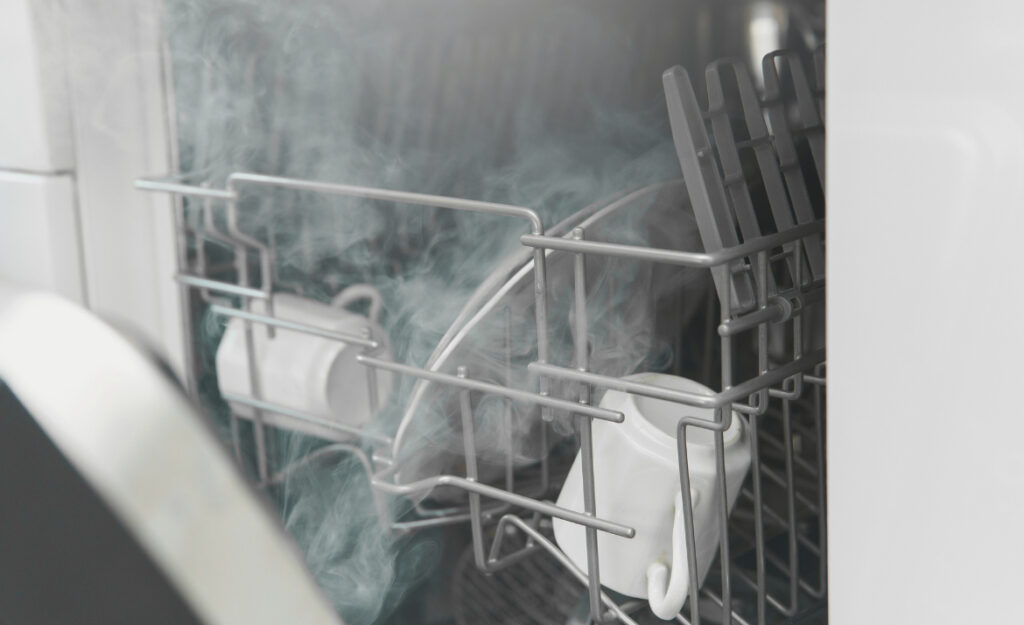
When a line cook observes steam pouring out during pre-heat, prompt them to check the timer and reset if needed. This practice hard-bakes the value of energy saving dishwasher tips into daily routines.
Optimize Water Flow and Usage
Monitor incoming line pressure to ensure it remains at optimal manufacturer settings. If a cycle ends with suds or residue, avoid boosting water volume—instead, recalibrate spray jets and clear blockages for a better result.
Rotate responsibility for checking sediment filters among prep crew. By making this task routine, teams ensure water always flows at peak efficiency, supporting better utility savings and longer machine life.
Document each water adjustment on a maintenance log. Regular review will illustrate the real impact of energy saving dishwasher tips and provide talking points for future staff briefings.
Air Drying and Post-Wash Strategies for Consistent Savings
Relying solely on heated drying functions racks up energy bills fast. Industrial kitchens boost savings by integrating air-dry techniques—these energy saving dishwasher tips lighten the strain on appliances and reduce long-term utility expenditure.
Switching off heated dry cycles on lighter loads plays a pivotal role in maintaining efficiency, especially during off-peak shifts when air movement in the kitchen is naturally persistent.
Create an Air-Dry Routine
Once a cycle completes, prop open the dishwasher door three inches and use wall-mounted fans in the wash area. This combination expedites evaporation while eliminating dependence on built-in heat, directly slashing electricity usage.
Instruct closing crews to verify racks are fully slid out of the steam cavity. Their efforts prevent moisture buildup, limit rust spots, and reinforce the best energy saving dishwasher tips for repeatable, daily cost savings.
Post a quick reminder on the walk-in door or break room wall: “Fan on, racks open, dry naturally.” This prods teams to keep routines consistent and maximizes the value of every cycle run.
Minimize Extra Moisture on Serviceware
Shaking pans or trays to remove excess moisture immediately after unloading—before stacking—keeps racks completely dry and avoids potential post-dry rewashing sessions for visible streaks or marks.
For high-volume glassware, use lint-free towels or rubber air-blades to finish stubborn wet spots. Each method prevents heated cycle overuse, extends machine lifespan, and cements these energy saving dishwasher tips as team habits everyone sees rewarded on every shift.
When a staff member shouts, “Glass racks done drying!” managers know energy-saving routines are ingrained and sustained throughout the kitchen.
Educating and Empowering Staff with Clear-Scripted Protocols
Clear communication turns average teams into energy savings champions. By deploying posted scripts and micro-training sessions, industrial kitchens reinforce energy saving dishwasher tips every shift and keep behavior aligned with business goals.
Visual reminders and performance feedback loops ensure that cost-cutting changes never slip through the cracks, even when staff turnover brings new faces onto the line.
Micro-Training for Efficient Use
Add a five-minute pre-shift energy talk with realistic example scripts: “I’ll wait until this last pan comes in before starting the rinse. Let’s fill those lower racks fully.”
Call out successes: “Quick catch—running eco cycle on these sauce pans.” Recognition inspires further consistency, and soon, these energy saving dishwasher tips become automatic habits for every shift.
Use a laminated checklist for dish pit leads. Visual reinforcement ensures trainers don’t skip key steps or revert to wasteful habits during high-pressure moments.
Building a Habit-Driven Culture
Reward savings milestones. Offer a team lunch or public shout-out for a month with the lowest recorded utility consumption. Encouragement cements behavioral change, ensuring energy saving dishwasher tips stick.
Let new hires shadow your top loader or rinse technician. Have them mimic specific actions and scripts—point, watch, and then repeat. This coaching approach translates theory into practice right away.
Log each staff suggestion on a feedback board. When team members see their ideas implemented, engagement and compliance with energy saving dishwasher tips grow rapidly.
Evaluating Utility Data and Troubleshooting Common Pitfalls
Reviewing utility costs and tracking mistake patterns protects against energy spikes and unexpected bills. Team leads who embrace these habits see consistent savings—plus, troubleshooting capabilities improve daily as each cycle provides actionable data.
Comparing recurring issues, like overloading or missed maintenance checks, allows staff to intervene swiftly. Consistent tracking delivers the full benefit of energy saving dishwasher tips.
Monthly Data Reviews in Practice
Pull recent bills and compare daily or weekly dishwasher use. Highlight spikes and run brief team huddles: “We hit our peak Friday; two extra cycles ran on incomplete racks. Next week, let’s hold cycles until each rack is full.”
Schedule calendar reminders for regular data check-ins. Use visuals—charts by the clock-in station provide a nudge for teams to pause and ask, “Are we hitting our load quotas?”
Make quick announcements as trends develop. Positive streaks or slip-ups get called out so corrections happen in real time, making energy saving dishwasher tips visible, actionable, and a shared responsibility.
Address and Prevent Recurring Mistakes
Identify triggers for poor practices: bottlenecks after lunch, new hires without full training, or busy weekends with high dish turnover. Assign a “dish pit coach” for each peak shift to supervise cycle settings and proper loading.
Quick scripts help break bad habits: “Remember, we’re waiting for full racks. If you spot a short-load, radio for more plates.” Post these by the dish pit for instant guidance.
After problem cycles, debrief: Recap what led to wasted runs, then set corrective scripts so recovery is quick, and energy saving dishwasher tips remain top-of-mind for all staff.
Implementing Energy Monitoring Technology for Precision Results
Bringing in affordable energy monitoring tools helps industrial kitchens predict spikes and reduce waste. These devices reinforce energy saving dishwasher tips with tangible metrics, guiding informed decisions in real time.
Smart sensors and consumption trackers display instant utility trends, prompting corrective actions when spikes appear. This closes the gap between awareness and immediate action on the kitchen floor.
Set Up Real-Time Energy Data Alerts
Connect units to Wi-Fi-enabled monitors. Dashboards visible to all dish area staff can show: “Current cycle: Peak,” or, “Efficiency: Excellent—well loaded racks.” Quick alerts deliver tangible results and prevent energy blowouts.
Assign a staff tech to review data at close. Summary screenshots on office bulletin boards keep the whole crew engaged and invested in the impact of energy saving dishwasher tips—sharing results builds accountability.
Positively reinforce success at pre-shift meetings. When readings show savings, acknowledge it publicly so the pattern continues. Avoid punitive language, focusing on shared wins and gradual improvement.
Utilize Technology to Set Timed Cycles
Many industrial dishwashers let teams program start and end times. Scheduling cycles to run in sync with low-rate utility periods preserves both power and water costs—especially important for kitchens running double or triple shifts.
Pair timer settings with regular maintenance, and teach staff that “the schedule saves us dollars.” Use wall calendars to visually link shifts and cycle run times, reinforcing energy saving dishwasher tips as daily practice, not one-off advice.
Update timers seasonally. Reminders help ensure transition from summer to winter cycles doesn’t disrupt the pattern. Attach cheat sheets to the control panel for quick reference, so the whole team takes part in maximizing efficiency.
Clear-Sighted Stewardship: Industrial Kitchens Owning Their Utility Savings
Systematic focus on energy saving dishwasher tips transforms everyday routines into major opportunities for industrial kitchens to cut costs and build pride in their craft. Each small decision adds up across hundreds of cycles every week.
Empowering every staff member with hands-on skills and crystal-clear instructions establishes long-haul savings and builds teamwork. Kitchens benefit from minimized downtime, happier teams, and healthier bottom lines all year round.
The real payoff is continuous improvement. By regularly revisiting procedures, reviewing utility data, and celebrating wins, kitchens turn energy saving dishwasher tips into a living, sustainable system of excellence and efficiency.
Frequently Asked Questions
What is the single biggest energy waste in commercial dishwashing?
The largest cause of excess consumption is running partial loads or selecting longer cycles than necessary. Assigning staff to only start full racks with the correct setting immediately slashes waste.
How can I tell if my industrial dishwasher is leaking energy or water?
Check for steam escaping from doors, visible pooling, or unusually high utility bills. Inspect gaskets, seals, and drain areas regularly for signs of deterioration. Quick repairs save significant costs.
Should I turn off the machine during breaks in service?
If there’s a gap of 45 minutes or longer between loads, shut the dishwasher down or switch to standby. Automated timers support these energy saving dishwasher tips and extend equipment life.
Which detergents yield the best energy efficiency?
Choose products designed for high-efficiency, industrial machines. Avoid overusing detergents to prevent extra rinse cycles. Confirm compatibility with your model and adjust dose when water is softened.
How do real-time energy monitors help reduce costs?
Monitoring devices provide instant feedback—so the team can react quickly if consumption rises. This helps reinforce patterns, fix issues on the spot, and visualize the value of energy saving dishwasher tips each day.