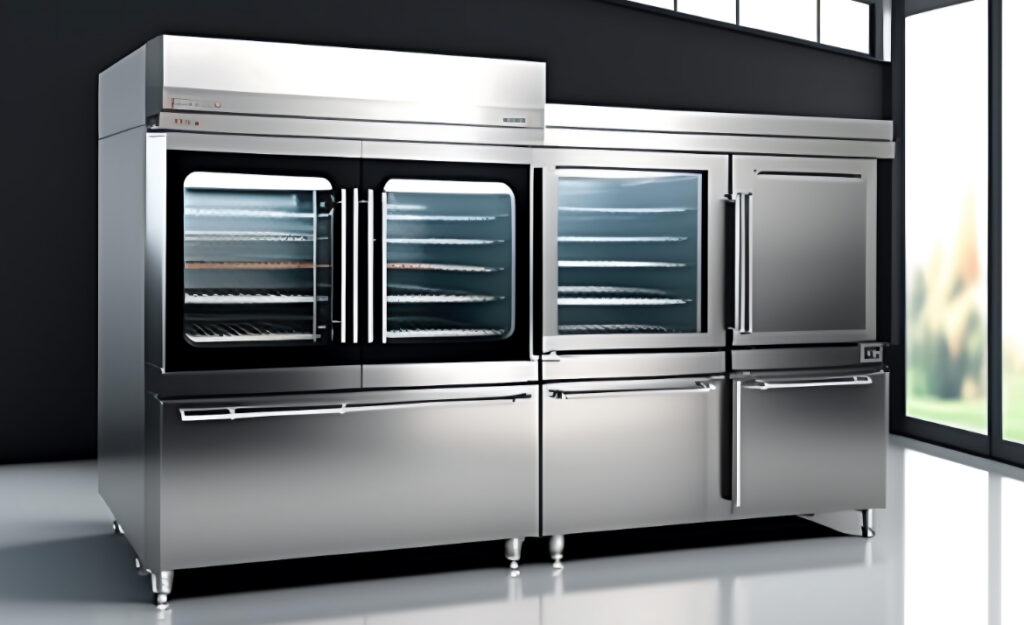
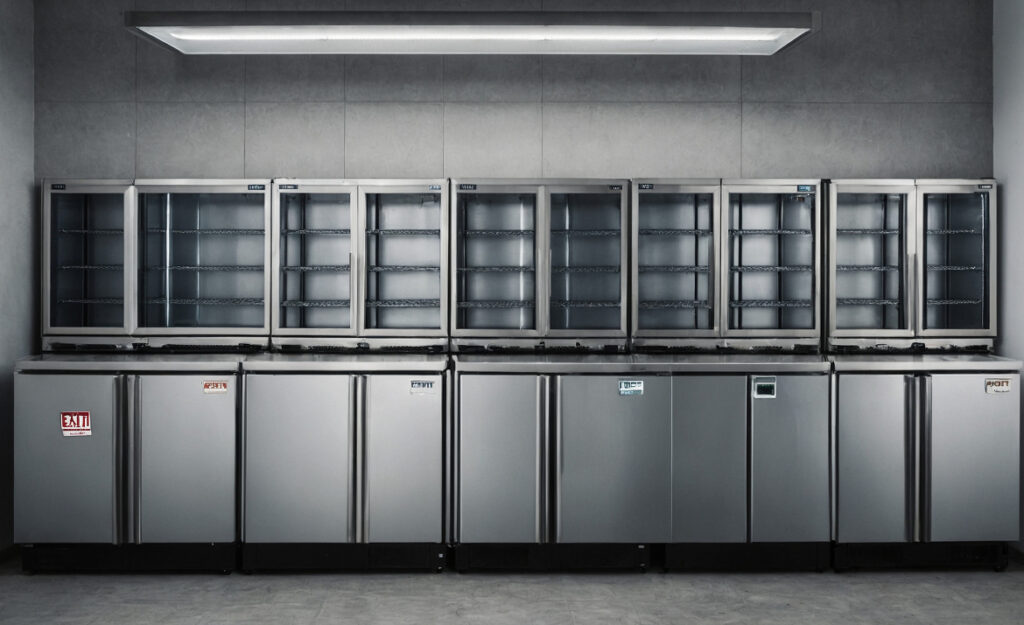
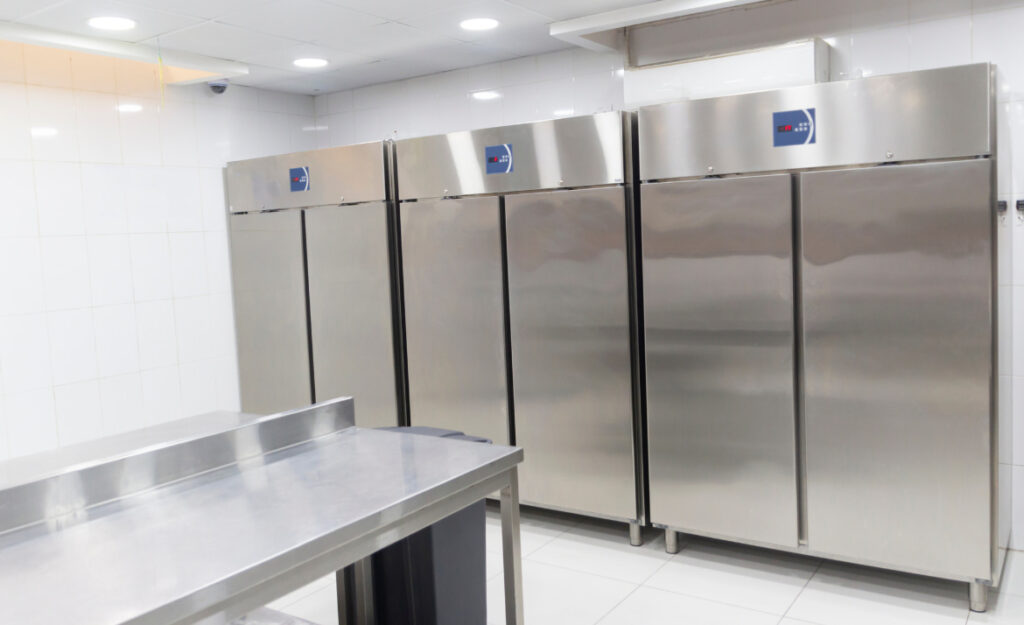
Even the largest industrial kitchen can run into cluttered fridge shelves. It doesn’t take long before food safety risks and wasted ingredients sneak up, so a smart approach to maximize fridge space is essential.
Efficient cold storage smooths daily operations, reduces spoilage, and frees up time for food prep. Simple, reliable systems work best—complex solutions rarely stick in busy environments where speed matters most.
Read on for hands-on organization hacks tailored to fast-paced industrial settings. Each section promises specific, actionable strategies and memorable, real-world examples you can put to use right now.
Clear Zones Improve Retrieval Speed and Reduce Waste
Defining zones means anyone can find food in seconds without opening every shelf. Assigning clear sections streamlines workflow and supports food safety checks at a glance.
Staff instantly recognize which shelf holds prep veggies, which drawer is for cooked proteins, and where sauces belong. This makes maximizing fridge space feel less like a puzzle, more like second nature.
Organizing by Process Stage Adds Predictable Flow
A kitchen lead arranges top shelves for raw items, mid-shelves for prepped goods, and bottom spaces for ready-to-serve plates. Everyone knows what comes next.
It’s like following a commuter train: each food group travels ‘stations’ from raw to ready, staying only on the route—nothing strays, nothing goes missing.
Write shelf labels: “Chill Cut Veg After Wash” or “Ready: Wraps, Date & Move” so every shift follows the same routine.
Shelf Labeling Prevents Costly Mix-ups Instantly
Clear, waterproof shelf tape displays category and date range: “RTE Dairy – Use By 6/14.” This wipes clean in seconds—no price tag stickers or torn labels.
If someone asks, “Where are the cooked eggs?” just point to the marked bin—no searching, no touching. Colored tape works for allergens or dietary items too.
Review marked shelves every closing shift, replacing faded labels. Consistent labeling saves minutes every hour, reducing missed inventory checks.
| Zone | Example Item | Safety Tip | Try This Next |
|---|---|---|---|
| Raw Proteins | Chicken Breasts | Store on bottom shelf to catch drips | Add a grill day label: “Marinate 6/14” |
| Prepped Produce | Washed Spinach | Cover bins, ventilate for airflow | Rotate left-to-right oldest to newest |
| Dairy/Deli | Sliced Cheese | Keep sealed, away from raw meats | Batch slice, date containers daily |
| Condiments | Pesto Jar | Store on higher, cooler shelves | Group by sauce type for prep speed |
| Ready-to-Serve | Boxed Salads | Date, label, store at eye level | Place grab-and-go bins for rush hours |
Container Strategy Elevates Fridge Efficiency
Investing in uniform, stackable containers maximizes fridge space and simplifies daily cleaning. A good fit speeds loading and protects ingredients from cross-contamination.
Clear containers reveal contents instantly. No opening every lid—just grab and go. Replacing mismatched bins removes wasted nooks where leftovers get forgotten.
Choose Stackable Containers for Every Category
Pick one size for chopped veg, another for sauces, and a tall one for proteins. Mixing and matching only if stacking remains stable.
- Pick containers with vented lids for produce: This controls moisture, extending shelf life by a day or more.
- Designate color-coded lids for allergen-free prep: Staff see at a glance what’s gluten-free or nut-free.
- Dedicate deep bins to bulk ingredients: They minimize unused shelf space and stack neatly on each other.
- Use clear labeling stickers: Write clear product names, use by dates, and prep times to keep workflow smooth.
- Swap out damaged or warped containers monthly: This prevents wobbly stacks and accidental spills.
For best results, establish a quick weekly check to retire worn bins and note reorder needs.
Rotate According to FIFO to Cut Loss and Elevate Food Safety
Position newest containers at the back of each shelf and bring oldest forward. This puts ingredients that need to be used first in the easiest reach spot.
- Mark lids with high-contrast day dots. “Red = Use Tuesday” eliminates confusion when prepping during busy service.
- Organize by container height so shortest are at the front—never lose track or hide necessary prep behind big tubs.
- Write action reminders in plain sight: “Move Up on Friday, Toss Sunday” for perishable salads and chopped garnishes.
- Assign a team member to check one zone per shift, so no food sits overlooked for days at a time.
- If staff finds two containers with the same label, combine them into the newer for simplicity before restocking.
A structured FIFO approach avoids overordering, minimizes spoilage, and strengthens day-to-day kitchen communication.
Real-World Placement Tactics Speed Up Day Shifts
Place the most-used items—think eggs, prepped chicken, diced onions—at the front edge of eye-level shelves. This saves steps, reduces cross-contamination, and boosts speed.
Preserve back-row and hard-to-reach zones for bulk or slow-moving stock. That way, no ingredient gets hidden from view, and every inch works harder for the team.
Use Shelf Liners for Easier Cleanups and Better Traction
Install removable, washable mats on every main shelf. These catch crumbs and small spills, so a quick spray and swipe tidies up after busy lunch rushes.
Instruct staff to shake liners out daily. Cleaning happens without unloading the entire shelf, which means less interruption to workflow.
Replace shelf liners and sanitize shelves entirely each week. This combines visual order with strict hygiene standards every industrial kitchen demands.
Anchor Heaviest Items on Lower Racks for Ergonomics
Always store heavy bins like cheese blocks or wholesale condiments near the bottom. Lifting from waist height reduces staff strain and accidents.
Whenever someone asks, “Where’s the extra oil?” point to the lowest right rack—not wedged in up high where retrieval gets awkward and risky.
For light and fragile ingredients—herbs, sliced fruit—assign higher shelves, where they’re safe from drips and crushing.
Streamlined Prep Containers Center Daily Workflow
Custom containers tailored to main daily prep categories allow the kitchen to maximize fridge space and synchronize every team member’s workflow.
Each morning, before prep, refill dedicated raw veg, protein, and sauce bins. This prep station system prevents cross contamination and avoids frantic ingredient hunting during a busy shift.
Batch and Group Ingredients for Quick Re-Stock
Plan daily back-of-house batch runs. Combine like-uses—such as taco toppings or sandwich veggies—into grouped bins that store together.
Mark each container with the daypart—“Breakfast”, “Lunch”, or “Dinner.” Shift leaders identify the right batch at a glance, even in a rush.
Instruct each team to check dated bins halfway through shift changes so nothing lingers unused or past prime.
Define a Dump Zone for Expiring Goods
Install a well-marked, shallow pan on the lowest shelf for “Use This Now” items set to expire within 24 hours.
Assign staff to check dump zones twice per service period, using up goods in staff meals or specials if needed.
Post a script: “Move all expiring dairy to staff snack by 3 pm” so there’s never a guess about next steps.
Visual Reminders Keep Teams Aligned Through Shift Changes
Use dry-erase boards on fridge doors to post quick reminders, such as “Check sauce bin levels pre-noon,” or “Date all stock tubs.” Even a short note helps align every staff member.
Keep reminders large and uncluttered—specific, not general—so everyone knows immediately what needs attention, reducing training time for new hires.
- Use magnets for schedule cards: Attach food rotation or cleaning charts right where staff will notice them at shift start.
- Print color codes for dietary restrictions: Red for nuts, blue for shellfish, green for vegan—post legend on fridge door.
- Choose icons for foreign-language speakers: Simple fridge graphics help all staff avoid expensive mix-ups.
- Add arrows for fastest retrieval: Show the route to “Veg Prep” so even new hires stay on track with minimal guidance.
- Update boards after deep cleans: Cross off completed zones to reinforce standards and track accountability.
Smart Scheduling Leverages Space and Labor
Daily schedules for fridge clean-outs, bin rotations, and restock runs make organization routines automatic. Assign concrete steps to specific people each shift.
Consistency means no ingredient sits forgotten, and no shelf stays sticky after a rush. Leaders should set the tone and hold line cooks accountable with short checklists.
Sample Scheduling Block for Team Success
Divide staff into morning, midday, and closing teams. Each is responsible for certain zones and times: Prepped veg, proteins, sauces—no area left unchecked.
On Mondays, focus on resetting all labeling and deep cleaning bottom racks. Reserve Thursdays for emptying “Use Now” bins and prepping weekend produce.
Assign one captain to sign off at each stage before shift change, verifying that everything moves along the schedule smoothly.
Recap and Fresh Strategies for Industrial Kitchens
Effective industrial fridge organization isn’t luck—it’s built from standardized zones, clear containers, and targeted labeling. Each step above helps chefs and staff maximize fridge space while controlling waste and risk.
Revisit these reminders monthly as your menu and staffing shift. What worked for last month’s inventory may shift with new deliveries, so update zones and containers seasonally or after big menu updates.
Test one improvement from each section first. You’ll notice quicker retrieval, fresher food, and smoother shift changes—turning chaos into an organized, high-performance kitchen.
Frequently Asked Questions
How do I get buy-in from the entire kitchen team on new fridge organization?
Introduce one concrete change at a time, such as labeling or zoning. Explain the benefit—like reduced ticket times or faster inventory. Involve the most active fridge users in setting rules, so everyone feels responsible for maintaining them.
What’s the best way to maximize fridge space in a walk-in cooler versus a standard reach-in fridge?
In walk-ins, dedicate shelves by broad category and restrict bulk storage to lowest shelves. Group fast-access items at shoulder height. In reach-ins, use clear stackable containers, adjusting shelf heights and grouping by frequency of use, so nothing blocks another item.
How often should I completely empty and deep clean industrial fridge zones?
Plan for full clean-outs weekly or biweekly, based on volume. Assign cleaning tasks to the closing team, rotating zones daily to keep the fridge fresh without long shutdowns. Always deep clean after major spills, menu overhauls, or equipment upgrades.
What labels and markers work best for wet or freezing industrial kitchens?
Use waterproof, smudge-proof tape and industrial dry erase markers. Replace handwritten labels after fading and never use paper tags that disintegrate in cold, damp air. Invest in color-coded, preprinted markers if the budget allows for high-traffic stations.
How can I keep staff from stacking heavy items on top shelves?
Post clear reminders and conduct quick daily inspections. Lead by example—during restock, show proper placement. If needed, restrict upper shelves to light-duty bins and reinforce with a “Keep Top Shelf Light!” note at face level.