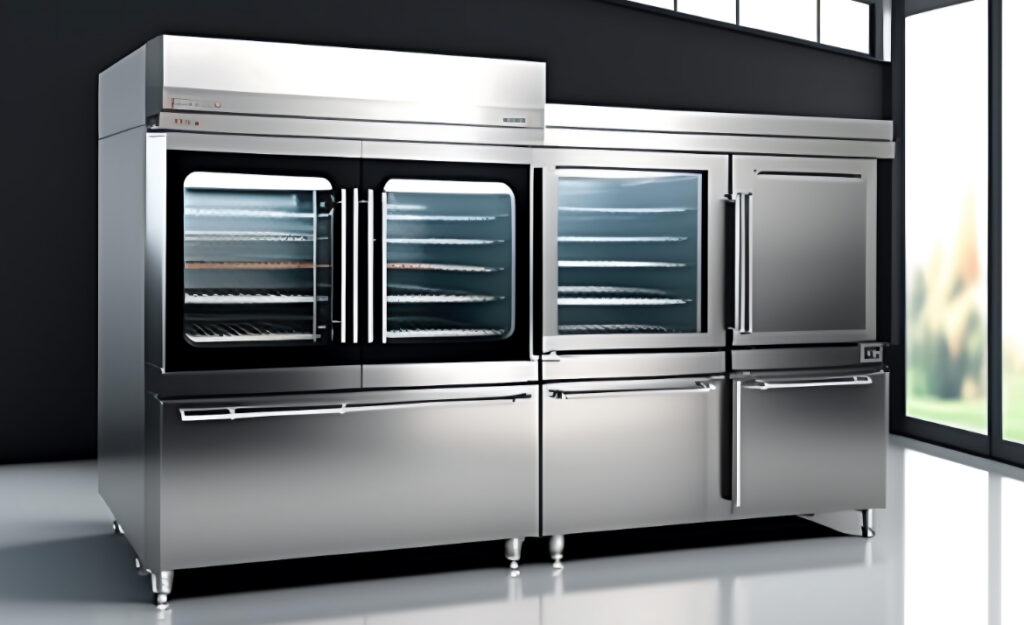


When commercial fridges run warm or cycle more frequently, technicians quickly point to dirty coils. After all, ignoring the need to clean refrigerator coils efficiently boosts repair calls and food safety risks in industrial kitchens.
Performance losses from neglected coils reach beyond just extra energy bills. Food holding temps become unreliable, cooling times stretch, and even the walk-in’s smallest sections can suffer. The details really shape food safety and workflow.
Dig into these proven, actionable methods for getting cleaner coils faster—and notice the difference in both cooling power and operating costs. Ready to extend fridge lifespan and streamline maintenance? Let’s get started.
Spot Cleanable Surfaces Instantly Before Escalating Issues
Operators can prevent major emergencies by quickly locating and recognizing buildup as it forms. A clear routine makes it simple to clean refrigerator coils efficiently, especially when you know exactly what to look for day by day.
Most coil locations are accessible near the unit’s base or behind grilles. Glance weekly for visible dust, kitchen lint, or greasy films, and address rough areas before they can heat up the unit’s compressor or reduce cooling speeds.
Evaluate Common Coil Build-up Patterns in Busy Kitchens
Line cook areas often see rapid dust and lint accumulation because of airflow behind the fridge. Fryers and ovens next to fridges increase the sticky residue—it’s not just normal dust you’ll fight in these corners.
Bakery sections sometimes notice flour pockets, too. In each case, any powder or grease on grills signals the need to clean refrigerator coils efficiently before cold storage is affected or food safety inspections flag issues.
Spotting patterns helps maintenance focus on repeat trouble spots, so create a checklist storing last month’s findings. This saves guesswork and reduces downtime by always knowing which units demand extra vigilance.
Streamline Visual Checks with Time-saving Habits
A team lead might walk the kitchen each Monday morning, flashlight in hand, peering through coil grilles. Three seconds can reveal blocked airflow or dust. Repeat this observation, and staff learn exactly where to check and what to catch.
Digital camera snapshots help document trouble zones. Within a month, it’s clear which fridge needs priority cleaning and which simply require quick vacuuming.
Over time, these habits become as routine as restocking cold drawers, and the process to clean refrigerator coils efficiently doesn’t slow daily prep or service times.
| Coil Type | Access Method | Common Debris | Action Plan |
|---|---|---|---|
| Base Grille | Pull Cover Panel | Lint, Dust | Sweep weekly, vacuum monthly |
| Rear Exposed | Move Unit From Wall | Kitchen Grease | Clean bi-weekly, use degreaser |
| Walk-In Cooler Exterior | Open Latch or Panel | Cardboard Fibers | Blow out every two weeks |
| Under-counter | Remove Drawer Section | Food Crumbs | Clean before major deliveries |
| Beverage Cooler Coils | Front Panel Removal | Sticky Residue | Wipe quarterly, check for leaks |
Choose the Right Tools and Techniques for Faster Cleaning
Matching the right tool to the job means every industrial kitchen can clean refrigerator coils efficiently, even with limited staff and heavy workloads. Specialized brushes and simple vacuums trump old towels for removing layered grime.
Avoid makeshift brushes or using hands alone—proper coil-cleaning brushes fit fin gaps, preventing damage while maximizing dust removal with every swipe. Remember, broom bristles can bend fins, causing new airflow bottlenecks.
Brush Styles That Prevent Coil Damage
A coil brush with long, flexible bristles slips into tight spaces. The easy-to-grip handle lets you press gently, avoiding accidental bent fins or scraped hands during deep cleans.
Choose non-metal bristles for sensitive aluminum fins. Spinning a brush gently back and forth knocks loose caked-on debris, while static-cling types attract rather than scatter fine dust—minimizing recleaning later.
Test these approaches side by side: one person cleans with a specialty brush; another with a basic vacuum and hose. Coils stay straighter and airflow improves faster when using tools meant for the task.
- Use long-handled coil brushes: Insert fully between fins, rotate gently; this avoids damaging delicate metal while clearing thick clumps.
- Vacuum with crevice tools: Fit the nozzle tightly, moving slowly to maintain suction, so debris pulls away, not deeper inside the coils.
- Apply food-safe degreasers: Lightly mist and let soak for three minutes before physical cleaning. This breaks down sticky deposits and reduces scrub time.
- Dry with lint-free cloths: Wipe moisture immediately to prevent future dust sticking to wet surfaces—a common issue in humid kitchen environments.
- Schedule all cleans before service: Performing these tasks early ensures no airborne particles land on prepared foods or open storage shuttles.
These steps cut overall cleaning time in half compared to unscheduled, last-minute emergency scrubs—making efficient coil upkeep part of your kitchen routine.
Filter Maintenance Prevents Future Buildup
Keeping air filters clean extends each coil cleaning. Dirty filters increase coil work and negate your efforts. Mark the calendar for monthly checks, shake or replace filters preemptively, and reduce airborne grease in main kitchen areas.
- Mark filter check dates: Visibility keeps accountability high so every month’s coil cleaning includes a filter review step.
- Rinse reusable filters outdoors: Water removes fine particulates quickly—but dry thoroughly before reinstalling so moisture won’t affect coil performance.
- Replace single-use filters: Drop new models in and stash extras for staff, ensuring no interruption to your cleaning plan.
- Check filter edges for tears: Torn corners allow bypass, so replace any flawed filter on sight.
- Remind team daily: Coil cleaning efficiency relies on filter attention—mention in daily shift meetings and post reminders on units.
By blending filter checks into coil cleaning routines, your team ensures peak performance between major cleans with almost no added overhead.
Set Proven Schedules for Maintenance and Maximum Performance
Create a consistent cleaning schedule with clear milestones to guarantee reliable, efficient cooling in industrial settings. Routine helps staff remember coil upkeep and makes issues easier to spot before they impact operations or food safety.
Check coil surfaces weekly and set deeper cleaning for the first or last non-service day of each month. Log activities on a visible fridge cleaning chart for clear oversight and accountability.
Building Checklists That Match Real Kitchen Flow
A walk-in cooler should be assigned a monthly deep clean and weekly quick-brush, noted each time in a maintenance binder. A simple tick-mark and initials system holds each shift accountable for their section—even when multiple teams share responsibility.
Use color-coded stickers (red for overdue, green for current) on fridge doors to flag cleaning status. Quick glances allow supervisors to intervene before neglected sections snowball into cooling inefficiency.
Example: “Tuesday, shift B: cleaned coils, replaced filter. Noted minor grease near fryer—flagged for manager review.” Copying this workflow allows everyone to clean refrigerator coils efficiently without confusion regarding tasks and timing.
Using Staff Rotations to Share Responsibility
Assign cleaning by area, mixing less- and more-experienced staff. A senior cook pairs with a junior for walk-in maintenance. They review the coil checklist together, debrief each step, and sign off as a team.
Include coil inspection on new-hire training, so every staff member understands location, access, and safe cleaning technique. This hands-on structure keeps the cleaning process consistent, regardless of staff turnover or seasonal hiring changes.
Scenario: During an annual training, a junior staffer notes a hidden coil behind the prep fridge. Senior cook explains the why, then leads a live demo for all on shift—turning routine cleaning into ongoing staff development.
Recognize Coil Issues That Demand Immediate Professional Attention
Operators gain peace of mind by recognizing when coil problems exceed routine cleaning and require qualified technicians. Early signs of deeper problems preserve food quality and prevent full fridge breakdowns in busy commercial kitchens.
If cleaned coils still leave food warm, make unusual noises, or emit odors, escalate the problem. Don’t push through thinking another scrub will restore performance.
Identifying Signs of Systemic Cooling Problems
Repeated ice buildup even after a deep clean points to failing defrost controls or a weak compressor, not just dirt. Oily spots may reveal refrigerant leaks—a technician’s job, never DIY.
If you see sparking, burning smells, or water pooling under the unit, unplug immediately and call your service provider to prevent kitchen safety risks.
Scenario: After back-to-back cleans, a supervisor notes frost on coil fins and rapid temperature swings. The walk-in remains unreliable until repaired by a pro, emphasizing why quick escalation matters.
Keep Professional Service Contacts Visible
Post service provider numbers on fridge doors and in shift binders so every employee—regardless of experience—knows how and when to escalate an issue. Encourage prompt, accurate logging for each reported incident.
Hold monthly staff reviews on emergency procedures. Demonstrate calling a tech and logging details about unit model, observed issue, and last cleaning action.
Follow this up by copying these contacts onto laminated kitchen reference cards. Quick access means no wasted time if coil problems become urgent during service hours.
Track Results and Prevent Repeat Coil Neglect
Feedback loops reveal which coil cleaning habits work and how much they boost cooling performance. Monitoring fridge temperatures, compressor run times, and energy bills provides tangible proof—especially when your team clean refrigerator coils efficiently.
Chart fridge temps each shift, highlighting any shift from target ranges. Pair any spike with cleaning logs to trace issues back to missed or delayed coil cleaning between staff rotations.
Benchmarking and Celebrating Efficiency Gains
Every improved temp readout or energy saving merits team recognition. Record pre- and post-clean energy use and highlight best shifts. “Team B cut runtime by twelve percent after monthly coil clean!” posts reinforce why habits matter.
Combine kitchen maintenance wins (clear logs, lower bills, smoother service) in monthly staff huddles. Use this momentum to reinforce coil cleaning as vital, not optional.
A short monthly maintenance chart review (ten minutes or less) keeps everyone aligned while celebrating operational improvements that benefit the whole staff and business.
Build a Cleaning Culture with Everyday Analogies
Think of coils like an air conditioner in a car on a summer road trip—if blocked with leaves and dirt, it struggles and burns more fuel. In an industrial kitchen, efficiency drops translate directly to costs and food waste.
Staff remembering how their own car’s AC performed after a filter change connect instantly with why clean refrigerator coils efficiently. Make coil checks as automatic as a morning coffee run or checking shift schedules.
- Compare coil cleaning to sharpening kitchen knives: Both keep tools reliable and operations smoother, preventing emergencies and surprise costs.
- Make cleaning personal: “I’ll tackle the walk-in today—keeps desserts cold for tonight’s event and makes tomorrow’s prep stress-free.” Assign ownership, see better buy-in.
- Use time-blocking: “Coil sweep takes five minutes each Thursday,” so it fits between large batch recipes and never sneaks up unprepared.
- Share coil cleaning tips in family meals: Boost the routine by treating maintenance stories as lessons, not chores—turns culture into habit.
- Reward flawless checklists: Give shout-outs for zero-overdue coil cleans on the monthly report, so maintenance wins become public recognition moments.
This approach makes clean refrigerator coils efficiently a shared value in every industrial kitchen, not a forgotten afterthought.
Final Thoughts: Maintain Industrial Kitchen Excellence Through Efficient Coil Cleaning
Adopting the habit to clean refrigerator coils efficiently isn’t just about colder fridges or lower bills—it safeguards food quality, extends equipment life, and cuts stress during busy services in every industrial kitchen environment.
Integrating scheduled coil cleaning empowers every team member, from new hires to seasoned chefs, to spot and address issues early, ensuring cooling reliability and minimizing unplanned downtime or food safety threats.
By using the right tools, building maintenance into your kitchen culture, and tracking tangible performance results, you create a thriving, resilient, and compliance-ready operation—one clean coil at a time.
Frequently Asked Questions
How often should industrial kitchen refrigerator coils be cleaned?
Most manufacturers recommend cleaning every month, but weekly inspections can spot buildup early. High-traffic or greasy environments may require more frequent cleaning to ensure reliability.
What’s the safest tool to use for cleaning coils?
A specialized coil brush with flexible, non-metal bristles is best. It fits between fins without bending them or damaging the metal, making it ideal for commercial kitchen environments.
Do dirty coils affect food safety?
Yes. Dirty coils decrease cooling speed and consistency, increasing the risk that stored foods drift out of safe temperature ranges, which can quickly become a food safety violation during busy shifts.
Is professional cleaning required for every coil maintenance?
Regular surface cleaning with brushes or vacuums can be handled in-house, but signs like persistent icing, strange noises, or refrigerant leaks should trigger a call to a qualified technician immediately.
Can using degreaser on coils harm the fridge?
As long as you choose a food-safe, manufacturer-approved degreaser and rinse thoroughly, it won’t harm coils. Never use strong solvents or high-pressure water directly on sensitive coil fins.