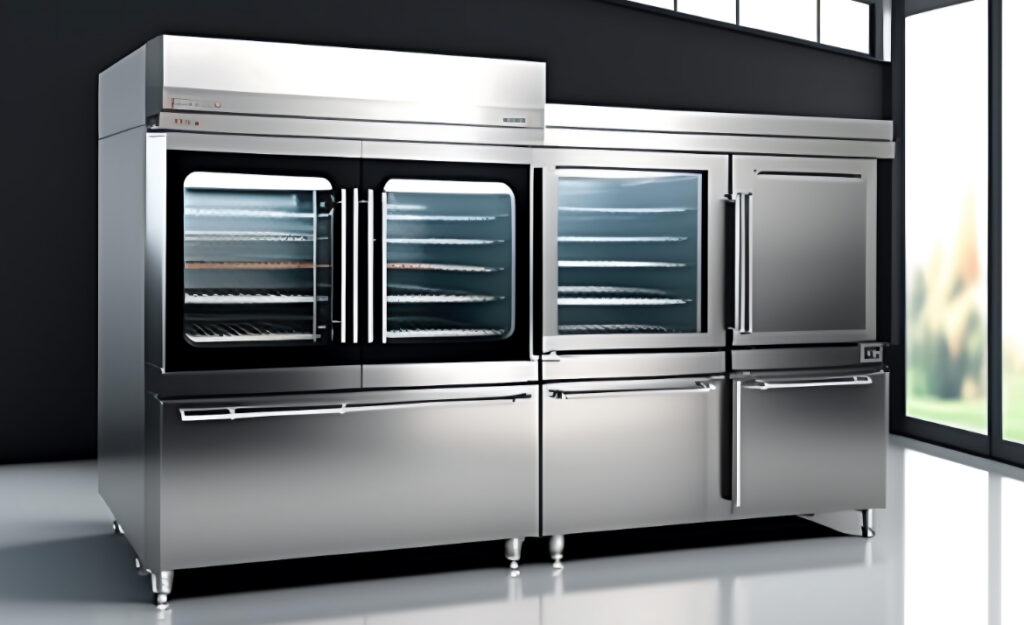

No kitchen manager wants to sprint at the first flicker of a light. But every industrial kitchen must know how to handle power outages freezers can face—especially when hundreds of pounds of food are at risk.
Commercial kitchens rely on freezers for more than just storage. These units support safety, menu consistency, and cost control. When the electricity cuts out unexpectedly, staff must move swiftly and confidently to protect inventory.
Read on as we break down specific actions and insider advice to manage industrial freezer outages. You’ll learn what technicians do, and how smart kitchens limit both loss and stress during downtime.
Immediate Actions Safeguard Food When Power Fails
Acting decisively in the first 15 minutes keeps industrial kitchen food safe. Don’t wait for lights to return—use a checklist and scripted steps so staff feel in control from the start.
The golden rule is to keep freezer doors closed. A closed door preserves air temperature, buys precious hours, and limits thermal shock to produce and proteins. Staff should memorize this as the default step.
Stepwise Control: The “Locked Door Protocol”
In an outage, kitchen leads point to the freezer and say, “All doors stay shut until I give the signal.” Hands stay off handles—simple and concrete.
Assign one staff member with a clipboard to note the outage start time. Instruct, “Mark every 30 minutes we stay closed. Say out loud if the door is ever opened.”
Documenting access helps with insurance claims and food safety audits. If pressure rises, repeat the phrase “locked door protocol” and redirect any tempted hands.
Escalation Plan: When to Open, What to Check
If power’s out after 4 hours—or ambient temperature rises—assign two staffers: one to retrieve a digital thermometer, another to quickly scan contents.
The person with the thermometer says, “Probe two spots: one near the door, one deepest inside.” Temperatures above 0°F trigger further action. Use concise phrases, such as, “Temp high, prep transfer bins.”
Resist random checking. One measured, purposeful entry trumps frequent browsing, which wastes cold air faster.
| Step | Person Responsible | Expected Outcome | Takeaway |
|---|---|---|---|
| Enforce locked door protocol | Kitchen lead | No doors open, food stays cold | Prevents early spoilage |
| Log outage start time | Assigned recorder | Accurate time tracking | Helps with safety decisions later |
| Temperature check | Senior cook/manager | Spot temperature problems | Prevents guessing risk |
| Initiate transfer sequence | Backup crew | Food moved to another unit | Limits financial loss |
| Communicate status updates | Lead to all staff | Team shares new instructions | Avoids confusion |
Identify and Document Critical Temperatures Fast
Recording internal freezer temperatures right after an outage helps your industrial kitchen quickly identify unsafe foods. Keeping clear documentation also supports food safety standards and eases insurance claims.
Digital logs are better than handwritten scraps. Assign one person to hold a spare thermometer and say, “Log now, every half hour until power returns.”
Key Metrics to Log
Only three numbers matter during an outage: inside air temp, product surface temp, and outside room temp. Highlight these with tape or signage on your log sheet.
- Record inside air temperature by probing the middle of the freezer, not near the door—otherwise you’ll get false lows that don’t represent real risk.
- Log product surface temperature for highly perishable bins. Write the location, food type, and temperature, and compare with the initial pre-outage log for accuracy.
- Document room ambient temperature as a control check: if it creeps above 70°F, flag that more frequent food checks may be needed to prevent spoilage.
- Note the time of all readings. Print a large “TIME” label on your log, highlighting that every entry needs this marker for clarity.
- Standardize how you note key temp exceptions—e.g., “Above safe zone = action needed”—so staff know exactly when food must move.
Instruct your team, “Logs should live on the door until recovery—don’t let them wander or get tossed by mistake.”
Plan for Data Backup
Train staff to snap a photo of the temp log with a work phone after every reading. Say, “Photo, then paper—one copy always exists even if the paper’s lost.”
At shift change, staff should read off the latest numbers before leaving. This prevents double logs or gaps in records that can confuse the next shift.
Establish the routine where the night lead emails a summary of readings to the manager, so digital records exist for every outage event.
Maintain Food Integrity with Organized Cold Transfers
Once industrial kitchen freezers rise above safe holding temps, food safety demands well-orchestrated transfers. Create labeled bins and post clear signage near exit doors.
Moving product should follow a simple sequence: announce intent, prep bins, and coordinate staff. Use short, direct statements to limit confusion, such as, “You—grab labels; Sara, prep ice; everyone, gloves on.”
Color-Coding: Why It Matters
Clearly labeled and color-coded bins reduce errors when transferring product during a rush. Assign red bins for meats, blue for produce, and green for dairy, so everyone can verify accuracy with a glance.
Post a color legend inside the transfer area. Have the shift leader walk the team through, saying, “Green means dairy—nothing else. Double-check the color with every bin you move.”
When returning products, verify colors match so nothing ends up in the wrong freezer—a small step that avoids costly cross-contamination issues.
Flawless Execution: The “Line and Load” Approach
Freezer doors should stay open only as long as needed. Form a “bucket brigade” line and pass bins forward quickly, then close the door immediately. Take four deep breaths before opening—remind staff to move fast but carefully.
Assign a timekeeper who says, “Ten seconds left—door closes in five!” This keeps urgency high without chaos. Teams with clear timekeepers consistently avoid cold loss during real emergencies.
Document bin numbers and types with a marker directly on tape. At the destination, cross-check against the transfer list before unpacking.
Effective Communication Prevents Mistakes and Stress
During a freezer power outage, clarity and confidence matter as much as action. Kitchen leaders use precise words and eliminate side chatter so everyone understands their jobs without guesswork.
A common phrase, “You handle the checklist—I’ll update the whiteboard,” can calm an anxious crew. Regular status updates anchor the team and reduce panic.
Rapid Report Chains
Leads should break news with direct, non-technical terms: “We lost power at 2:10. Keep doors closed. We’ll check again at 2:40.” Timers on phones or mounted clocks keep everyone on track.
If someone is unsure, instruct, “Find me before touching the freezer.” This simple step prevents accidental food spoilage or forced door openings.
After each update, prompt, “Questions? Ask now.” Straight talk early means fewer “What do I do?” whispers during rush periods.
Team Accountability Scripts
Delegate specific roles out loud: “Samantha logs, Jose checks temps, and Ava preps transfer bins.” Repeat assignments every 30 minutes, especially if the outage is prolonged or shifts change.
At the end of each action, have each person say, “Task done.” This phrase signals the group that nothing was missed. It lifts shared responsibility and prevents missed steps.
Whenever a procedure changes mid-outage—a backup generator kicks in, for instance—declare, “Pause. New instructions, listen up.” Repeating clear instructions prevents confusion and keeps everyone focused.
Check and Restore Freezer Function Methodically
Don’t rush to restart industrial freezers once power returns. Use a simple five-step checklist to ensure the unit’s compressor, thermostat, and fans reboot correctly before food goes back in.
Start by inspecting the cord, panel lights, and fan sounds. Each detail gives a clue about system health that may prevent another breakdown minutes later.
Sequential Start-Up Steps
First, confirm the voltage is stable. Ask an electrician, “Is voltage clean?” before changing thermostat settings. This prevents electrical surges that can damage the freezer’s compressor or control board.
Second, restart the unit only if all controls show normal. Wait for the compressor to hum steadily for two minutes before opening the door or reloading any food.
Record the time, note the machine status, and post a quick update on the kitchen whiteboard so every team member knows when food can return safely.
Food Assessment Before Restocking
Double-check the product surface temperature before loading inventory back in. The phrase to remember: “Under 15°F, back in; above, pull aside.”
Address anything partially thawed by labeling it “USE TODAY” and placing it in a designated area for staff meals or alerting purchasers about potential spoilage-related losses.
Clean and sanitize shelves if condensation built up during the outage—leftover moisture can support mold or bacteria growth in the coming days if ignored.
Preparation Drills and Preventive Steps Build Kitchen Resilience
Effective outage response starts long before the lights go out. Smart kitchens train monthly for freezer power events using role-play and fast-paced drills. These minimize panic and lower risks when a real outage happens.
Document each drill’s outcome. If people hesitate, ask them what reminded them to act. Use phrases like, “Show me the temp check,” or, “Walk me through your steps,” during review sessions.
Routine Inspections for Weak Points
Monthly freezer checks catch early signs of problems: leaky door seals, ice buildup, or inconsistent temperature swings. Log issues so facilities can schedule repairs before emergencies hit. Don’t ignore minor defects, as they worsen under pressure.
- Test all freezer gaskets and doors monthly because even hairline cracks can sabotage cold retention during outages, so repair them at the first sign of wear.
- Check thermometer batteries weekly to prevent dead sensors from ruining food safety logs in a real outage, swapping extras stored in a labeled kit nearby.
- Schedule generator tests with full load simulation, confirming the switch from grid to backup supply won’t trip freezers, and document any fails for follow-up fixes.
- Rehearse step-by-step outage procedures with both day and night shifts, so all staff—not just managers—can execute the right actions confidently under pressure.
- Display emergency contact lists (electricians, vendors, health officers) by the freezer and whiteboard to cut confusion and speed calls for expert help when time matters.
Checklists must live on paper and digitally; duplicate and update after each drill to keep everyone on the same script.
Professional Service Partners Enhance Long-Term Security
Build relationships with qualified repair companies before trouble arises. Insist on service records, prompt troubleshooting, and 24/7 assistance so urgent calls get fast attention when freezers go down.
Meet vendors, walk through your kitchen, and clarify, “If my freezer’s offline, I want response in under 90 minutes.” Make sure contact info is visible on the main kitchen whiteboard for every shift to see.
Keep a backup plan in writing. If your primary repair company can’t reach you in time, list two alternatives so kitchen leads don’t lose minutes searching for phone numbers when the outage strikes.
- Negotiate response time SLAs that fit your location and kitchen scale, ensuring your most vulnerable inventory won’t go unprotected if the first call is missed.
- Ask service partners to train your staff in basic freezer checks, so you can perform quick triage when an outage starts without waiting for a technician.
- Audit your partnership annually. Review last year’s outages, their speed to resolution, and areas for improvement—sharing these findings with all kitchen staff builds buy-in.
- Stock service-recommended spare parts such as thermostats, fans, and seals. Assign responsibility to one team member so these aren’t misplaced or used without documentation.
- Keep backup freezer space at a partner location if your kitchen handles large volume; confirm transfer procedures ahead of time so you avoid bottlenecks and chaos under stress.
Schedule recurring check-ins. A simple message—“Any new tips for our next drill?”—can yield fresh insights and strengthen your kitchen’s safety culture.
Reinforcing Food Safety and Confidence After Every Outage
Every time you handle power outages freezers in industrial kitchens, you reinforce more than compliance—you protect team morale and inventory value. These strategies put real-world action ahead of improvisation.
Your team, from day shift to night prep cooks, remembers direct instructions and hands-on drills. With solid scripts, clear roles, and systematic post-outage review, kitchen anxiety gives way to routine, confident response.
As you swap stories and update procedures, each small improvement builds a lasting legacy of safety. Treat each outage as an opportunity for growth—and your food, staff, and reputation will stay strong.
Frequently Asked Questions
What’s the first thing to do if a freezer loses power in an industrial kitchen?
Immediately enforce a locked door policy, keeping the freezer closed to retain cold air. Assign one staff member to log the outage time and begin monitoring internal temperatures every 30 minutes using a digital probe, ensuring documented, safe actions from the start.
How long can industrial freezers keep food safe during a power outage?
Most commercial freezers, if left closed, can hold appropriate temperatures for up to 24-48 hours, depending on insulation and inventory level. Temperature checks every few hours allow informed decisions on whether to transfer or discard at-risk foods.
What should be logged during a freezer power outage?
Document the start time, internal air temperature, product surface temperature, and ambient room temperature. Use standardized logs and snap photos for backup. Recording every time the door opens and who accessed it supports food safety compliance and insurance needs.
When is it safe to reload food into the freezer after an outage?
Wait until voltage stabilizes and the freezer maintains a consistent low temperature (below 0°F). Check all product surfaces—everything should be under 15°F to return it to storage. Anything partially thawed needs to be used immediately or labeled for disposal.
How frequently should staff drill freezer outage procedures?
Monthly drills are best for industrial kitchens. Practicing set roles, scripts, and response flows ensures all staff—including new hires or night crew—can execute safety steps smoothly, lowering risk of food loss and mistakes during real outages.