Searing a steak or sautéing vegetables calls for confidence in the kitchen, but it’s easy to forget just how risky grabbing hot pans can be. Even seasoned home cooks face burns from rushing or momentary distraction, especially if they handle hot cooking tools without a plan. Instead, these hazards are easy to sidestep when you’re armed with the right habits and a few practical strategies.
Kitchen safety isn’t a side concern—it’s a key ingredient in crafting delicious meals without the sting of burns. Grasping what to do when working with hot tools not only saves your hands, but lets you move fluidly between tasks. A bit of awareness pays off every time you cook, whether you’re flipping eggs or roasting chicken.
If you’ve ever wished you could reach for a hot pan with total confidence, you’re in the right place. Dive into these real-world tips for handling hot cooking tools that fit easily into everyday routines and help keep your cooking safer and smoother.
Know Your Surfaces: Assessing Risk Before Touching Hot Tools
Standing in front of a hot stove, you need quick ways to tell what’s safe to touch and what’s not. Always pause to check pan handles, lids, and metal utensils before grabbing them. It’s smart to integrate this ‘stop-and-look’ into your regular kitchen flow so you don’t skip a beat.
Super-heated metal and glass can look deceptively cool, much like how the sun-warmed hood of a car can surprise you with a burst of heat. Before you handle hot cooking tools, hover your hand nearby—never on—to gauge the temperature from a safe distance.
Spotting Hot Zones in Your Workspace
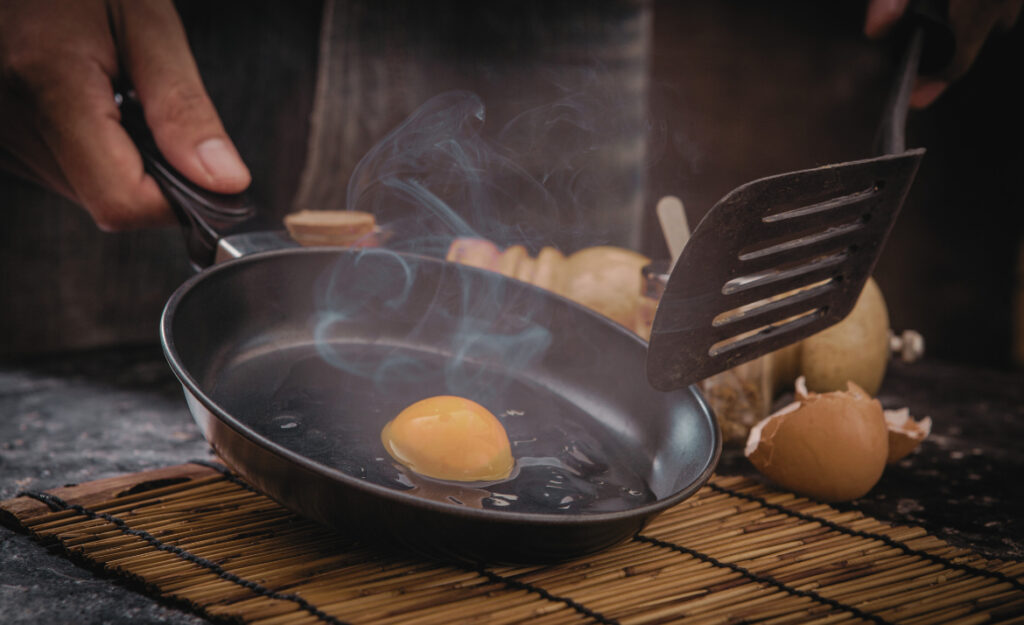
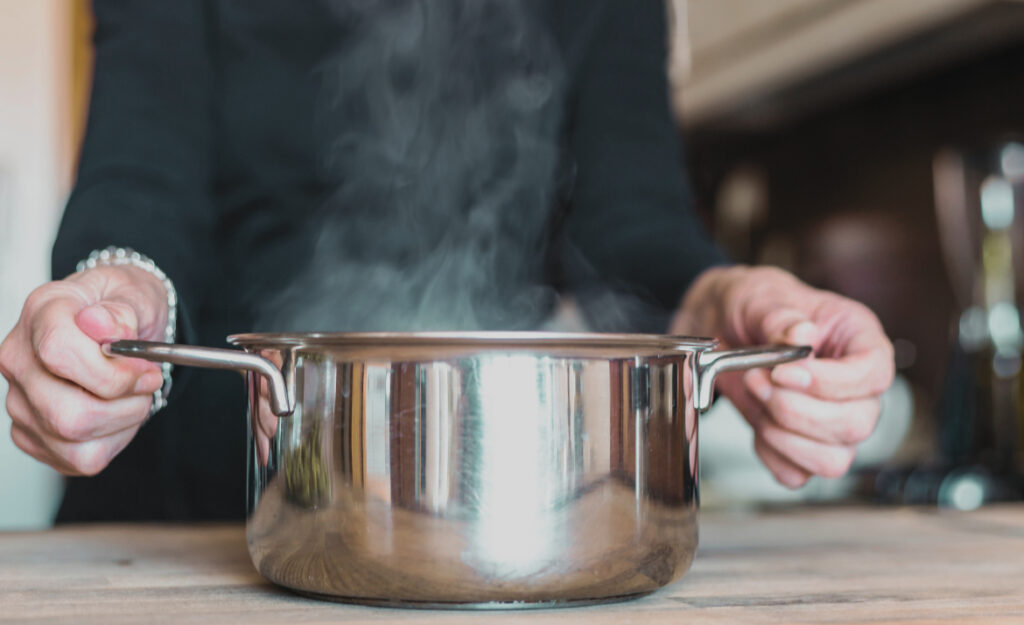
Check for red-hot burners, bright oven lights, and steam trails rising from pots. These visual cues signal where high risk spots are. If you see a pot with a handle pointing outward, pull it inward to keep it out of your direct pathway.
Notice where hot lids rest and always assume recently used metal tools retain heat longer than you expect. This is especially true for utensils resting on pan rims, which absorb high temperatures quickly in a busy kitchen.
Train your eyes to scan the stovetop, oven door, or prep counters for recently moved pans and utensils. This quick 2-second sweep can save you from a painful mistake and boost your rhythm in the kitchen.
Interpreting Sounds and Smells for Heat Clues
The hiss of oil, a rolling boil, or popping food offer clues about temperature. These sounds indicate active heat zones. If you hear loud sizzles, keep your hands away and use protection before touching anything close by.
Burnt aromas or crisp scent changes reveal surfaces that are too hot for direct contact. Step back and let the area cool, or use proper mitts to move items safely. Remember, the kitchen’s sensory cues work just like a car’s warning lights.
When you catch sudden shifts in kitchen air—like wisps of steam or sharp metallic smells—take an extra second to locate the source before you handle hot cooking tools. This habit can prevent accidental burns amid your busiest meal prep sessions.
| Kitchen Tool | Material Type | Heat Retention | Safe Handling Strategy |
|---|---|---|---|
| Cast Iron Skillet | Heavy Metal | High | Always use thick mitts; cool before washing or moving. |
| Glass Baking Dish | Borosilicate Glass | Moderate | Verify temperature by hovering your hand; use mitts even after cooling. |
| Silicone Spatula | Food-grade Silicone | Low | Safe up to stated temperature; avoid open flame or direct burner contact. |
| Stainless Steel Tongs | Metal | High | Always check handle temperature before gripping; use a towel if needed. |
| Wooden Spoon | Wood | Low | Use confidently; avoid prolonged contact with open flames or burner grates. |
Prioritize Hand Protection: Simple Routines to Avoid Burns
Safeguarding your hands every time you handle hot cooking tools ensures fewer interruptions mid-meal. Dedicated routines—like reaching for mitts, pot holders, or towels strategically placed close by—make these tools instinctively available.
Assign a specific drawer or hanging rack for protective gear near your cooking surface. That way, even if you’re in a rush, your go-to mitts or towels remain within arm’s reach and never buried under other utensils.
Spot-Check Your Mitts and Pot Holders
Before you handle hot cooking tools, check mitts for stains, thin patches, or dampness. Wet or worn mitts lose insulation fast, raising your risk for burns. Replace damaged gloves as soon as you spot problems.
- Place heat-resistant gloves in a dedicated holder by the stove for quick access; this reduces the urge to grab dish towels that might not withstand high heat.
- Always dry mitts and pot holders thoroughly after washing; even slightly damp fabric conducts heat rapidly, cutting down on protection.
- Check insulation thickness by pinching between your fingers—a thin mitt won’t offer the necessary barrier for cast iron or hot sheet pans.
- Label or color-code mitts if you have multiple chefs in one kitchen; this promotes consistency and avoids confusion when quickly handling hot cooking tools.
- Discourage draping mitts over oven handles or stove knobs; instead, keep a wall hook close by, so your protective gear stays dry, clean, and within reach.
Maintaining excellent hand protection habits promotes confidence, lets you juggle multiple dishes, and keeps the focus on flawless cooking rather than injury prevention alone.
Rotate Out Old or Worn Protection
Schedule monthly checks on your kitchen gear, especially mitts and holders. This keeps your protective gear reliable every time you reach for a hot handle. A regular refresh is as crucial as sharpening knives or restocking spices.
- Remove mitts with frayed edges or holes from the active drawer; toss or repurpose them to prevent last-minute use.
- Upgrade to silicone or multi-layered gloves if baking and roasting are frequent in your routine; modern materials can boost safety and comfort.
- Dedicate one set of mitts for grilling, another for general kitchen work to avoid grease or residue that speeds up material breakdown.
- Disinfect gloves periodically—sweat and food residue can build up, causing a drop in insulation quality over time.
- Add a “glove check” reminder to your calendar or meal-prep schedule. Keeping this gear in top shape allows you to handle hot cooking tools on a moment’s notice.
Regularly upgrading and caring for your heat protection tools translates into safe, smooth meal prep from breakfast through dinner.
Perfecting Your Grip: Smart Ways to Handle Tools Without Slips
A steady, secure grip is the foundation for safely handling hot cooking tools, especially when things get hectic or slippery. Sweaty palms, oil splatters, or awkward angles can all turn an innocent pan flip into a risky move.
Practice designing your kitchen flow so towel grabs, mitt use, and grip checks become as natural as reaching for salt. Keeping your hands dry and your tools in line keeps you safer and more efficient at the same time.
Building Reliable Grip Techniques
Wrap your fingers fully around handles—even if you’re using mitts or a towel. Imagine gripping a sturdy handrail: fingers clasp the bar with your thumb wrapped underneath, anchoring your grip especially when shifting heavy pots.
For extra stability with sheet pans or roasting trays, use both hands and support the weight from beneath rather than by the edges. This method cuts down on tipping or slipping, especially when oven mitts slightly reduce dexterity.
Always pause for a moment before moving large, hot items. This one-second check lets you register the tool’s weight, balance, and heat, giving you full control as you move it from oven to countertop.
Adapting to Unexpected Hot Spots
Sometimes, you’ll find a handle hotter than expected. If you start to feel warmth or pain through protection, set the tool down immediately and switch to thicker mitts or a doubled towel.
If a handle feels slippery, stop and dry it off—even if that means losing a few seconds in your prep. A quick grip adjustment prevents burns and dropped pans, keeping cleanup and injuries to a minimum in the long run.
For utensils like tongs or spatulas resting near a flame, grab them further up the handle if possible. This simple shift keeps your hand away from the hottest points and extends your safety margin during rapid cooking.
Staying Focused: Mental Routines That Prevent Burns
Train your attention with a mental pause—just three seconds—before you handle hot cooking tools. This habit interrupts autopilot risk and centers your focus, minimizing absentminded mistakes during busy cooking sessions.
After every task, glance back at your workstation. This quick checkpoint helps you spot lingering hazards like hot lids or shifting handles, letting you adjust before reaching out impulsively. A micro-routine like this can dramatically cut the odds of surprise burns.
Task Sequencing for Safety
Create a dependable order of operations in your kitchen, just as experienced line cooks do. Place trivets for hot pans before moving them, have mitts out before opening the oven, and never rush transitions between steps. These small habits foster consistent awareness.
Visualize the moves you’ll make before tackling a new recipe. If you plan to transfer pans, set up your landing spaces and protection in advance, making the entire process smooth and safe from start to finish.
Share quick reminders aloud if you’re cooking with others—say, “Hot pan coming through!” This builds a safety culture in the kitchen and keeps everyone tuned into potential risks as you handle hot cooking tools.
Choosing the Right Tool for Every Task: Matching Protection To The Situation
Selecting the correct tool for each kitchen job ensures smoother, safer cooking—especially when heat is involved. Silicone-tipped tongs, oven-safe spatulas, and thick pot holders each serve a unique role in your safety strategy.
Before starting any high-heat recipe, double-check that every tool you plan to use can withstand the temperatures involved. Swapping out a plastic turner for a metal one, or using a double-layered mitt, removes uncertainty and offers stronger defense.
Comparing Tool Choices by Scenario
When roasting vegetables at 425 degrees, you need an oven-safe spatula that won’t melt and a mitt rated for that temperature or higher. Never substitute with utensils that lack reliable heat resistance, as this may result in sudden burns or tool failure.
For stovetop searing, prioritize tools with stay-cool handles or opt for extra grip mitts. Always check that the tool’s working end sits comfortably in the pan and won’t slip off when turned.
If a recipe requires going from stovetop to oven, such as frittatas or braises, always double-check that both the pan and its handle are rated for the highest temp in use, and that you have insulation ready before you touch them.
Planning Ahead: Setup Habits That Prevent Last-Second Mistakes
Strategic kitchen setup gives you an edge when handling hot cooking tools. Before you even light a burner, lay out mitts, trivets, and suitable utensils so you’re never forced to scramble in the middle of intense cooking.
Develop the routine of prepping a “heat-safe zone”—keep one clear section of your counter exclusively for hot pans to rest. This minimizes confusion about where to safely place tools and keeps pathways free for your next move.
Wrapping Up Safe Success With Hot Tools
By building small but powerful habits, anyone can handle hot cooking tools confidently and consistently. Using your senses, grip, and safety equipment in harmony creates a kitchen atmosphere where burns are rare and cooking feels second nature.
Integrating checklists, upgrading mitts, and staying mindful builds not just safer cooking but stronger cooking skills. Consistently applying these routines will equip you to tackle any recipe that comes your way with assurance.
Kitchens thrive on movement, focus, and reliable tools. With the right strategies, every cook can enjoy the rewards of a delicious meal made safely, proving that mindfulness and practical tools go hand-in-hand every time you cook.
Frequently Asked Questions
What should I do if my protective mitts get wet while cooking?
Wet mitts conduct heat rapidly and lose their protective qualities. Always switch to a dry pair immediately. Keep several mitts or towels on hand to ensure you always have a reliable option. Let damp mitts dry fully before reuse.
Are there certain utensils best left out of high-heat tasks?
Yes, avoid plastic or thin-handled cooking tools unless they are specifically rated as heat-safe. For temperatures above 400 degrees, use silicone, all-metal, or wooden utensils. Always double-check manufacturer ratings before applying extreme heat.
How often should I replace oven mitts or pot holders?
Check mitts monthly for holes, thin spots, or wear and tear. Replace them as soon as you notice damage. Well-maintained mitts can last six months to a year depending on usage, but err on the side of caution if insulation is compromised.
Can I use dish towels instead of pot holders?
Only use dry, thick dish towels in a pinch. Many dish towels are too thin or get damp quickly, increasing your risk of burns. For best results, reserve oven mitts and potholders for high-heat work and designate towels strictly for spills or drying.
What’s the most effective way to organize for hot tool safety?
Keep mitts and protective gear within reach of your stove and oven, ideally in a dedicated holder or hook. Set up heat-safe zones on your counter and always have an extra mitt nearby for multitasking or unexpected needs. This setup promotes instinctive use and supports safety.