
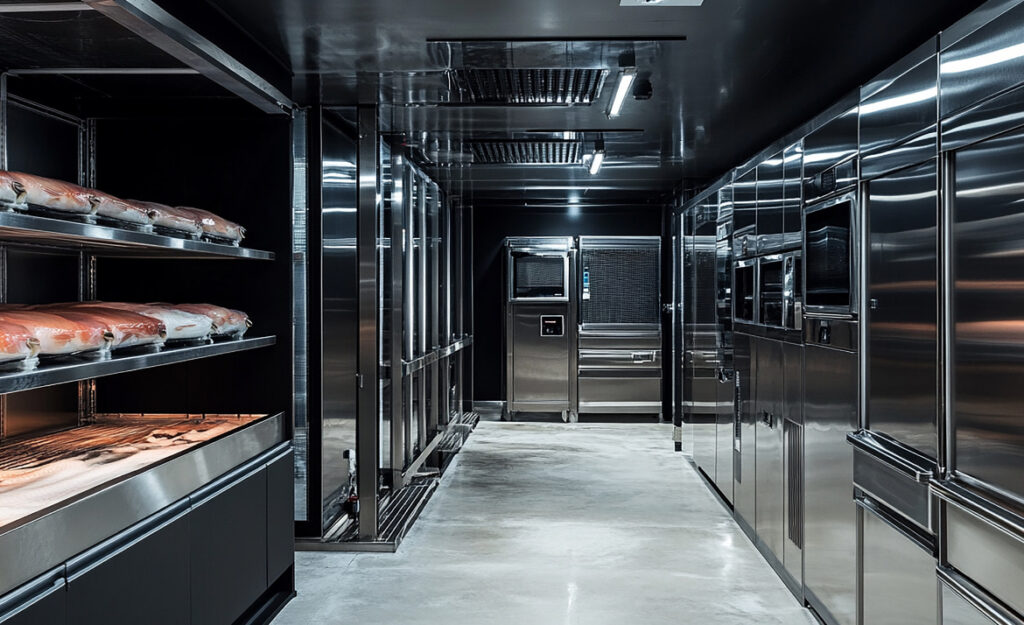

Few moments bring more dread in an industrial kitchen than finding ingredients spoiled by an unpredictable refrigeration leak. Acting swiftly to spot refrigeration leaks quickly can prevent costly downtime, product loss, and major repairs.
Every chef, kitchen manager, and maintenance crew faces the ongoing challenge of keeping their refrigeration units reliable. A single missed leak can turn into a wave of spoilage, health violations, or customer complaints.
This article will unravel simple, proven steps to help spot refrigeration leaks quickly, emphasize real-life strategies for kitchen teams, and show you how to keep operations strong with less stress and fewer surprises.
Pinpointing Common Leak Indicators Prevents Broad Kitchen Disruption
Identifying leaks at their earliest signs lets you act before they cause bigger issues. Quick action ensures industrial kitchens stay productive, safe, and compliant with regulations.
Leaks rarely announce themselves with drama; subtle cues—like frost buildup, pooling water, or fluctuating temperatures—are early warnings workers can’t afford to ignore.
Recognizing Unusual Sounds and Sights
When a condenser starts to hiss or you hear a faint gurgling from behind a reach-in refrigerator, that’s a sign something’s off. By staying alert to new noises, you’ll spot refrigeration leaks quickly and avoid bigger headaches.
Look for unexpected puddles appearing beneath cooling units. A steady drip or pools on the floor point directly to compromised lines or faulty door seals, which need immediate inspection before risk escalates.
Sometimes doors appear frosted shut or the shelves glisten with excess condensation. Instead of treating these as routine, see them as a possible leak—the kind that invites spoilage if ignored.
Interpreting Fluctuating Temperatures
When you notice ingredients aren’t as cool as usual, trust your instincts. Assign a team member to log temperatures every shift—consistency keeps leaks from going undetected.
If digital readouts start blinking or alarms chirp for no clear reason, take them seriously. A swift response can cut food waste and repair bills.
Encourage kitchen staff to call out odd readings. A line cook saying, “this butter is soft at 8 AM but hard at noon,” can be your earliest alert of a hidden problem.
| Leak Indicator | Location | Severity | What To Do Next |
|---|---|---|---|
| Pooling water | Under fridges/freezers | Moderate | Check for blocked drains or damaged line, notify maintenance |
| Unusual frost | Door seals, inside units | Low to High | Inspect door gasket, check for open seams |
| Temperature swings | Storage cabinets, coolers | High | Log all readings, schedule urgent inspection |
| Error alarms | Control panels | Variable | Review code meaning, escalate as needed |
| Strange noises | Compressors, back of units | Low | Listen for changes, notify technician if persistent |
Implement Rapid Detection Routines for Every Shift
Establishing daily checks means leaks are spotted right away—even on your busiest nights. These routines embed vigilance into the culture, reducing downtime and loss.
Assigning clear roles and creating checklists helps turn detection into a shared responsibility, instead of something left to chance or forgotten among other daily duties.
Checklist for Shift Leads
Task shift leads with a walk-through before and after food prep hours. Their checklist should address visible leaks, smells, or frost patterns. This regular scan keeps problems from building up undetected.
- Inspect door seals for cracks or softness—replace if worn, as gaps let cold air escape and moisture in.
- Feel for warm spots on exterior panels—indicates insulation issues or refrigerant loss, both urgent fixes.
- Smell for odd chemical or musty odors—early warning of chemical leaks or mold growth behind panels.
- Wipe away excess condensation—check if it returns quickly, a sign to escalate for immediate technical review.
- Watch digital controls for error lights—log all findings, photograph any alarms, and communicate changes to the next shift lead.
Executing this routine daily keeps everyone focused and makes leaks far less likely to worsen undetected.
Technician Response Steps
Ensure your technician acknowledges handoff notes from kitchen staff. Acknowledge when a line cook says, “there’s a new odor by the walk-in; check it during your rounds.”
- Test all alarms on a regular schedule—replace batteries, calibrate sensors, and upgrade firmware if needed for accuracy.
- Use UV dye kits to reveal invisible leaks—shine a UV light on suspect joints and hoses immediately after application.
- Double-check insulation—replace panels that feel damp or cold to the touch, which trap moisture and drive up energy costs.
- Document fixes with photos—add entries for recurring trouble spots to predict future risks and streamline maintenance calls.
- Train backup staff—brief backup kitchen or maintenance workers on each rapid detection step; share tips for quick decisions if the primary contact is out.
Immediate technician follow-up stabilizes your kitchen and stops minor leaks from snowballing into larger expenses.
Sharpen Your Leak Spotting With Real-World Examples
Reviewing past incidents sharpens instincts for catching new leaks, regardless of kitchen size. Examples clarify exactly what to look for and how to respond on the fly.
Real conversations and body-language cues often reveal leaks sooner than tools alone, helping create a proactive—not reactive—team environment.
Communication Habits That Catch Leaks Early
When a dishwasher shrugs and remarks, “there’s a weird puddle by the fridge again,” take it seriously. Encourage staff to make these observations part of the pre-shift routine.
During shift change, have outgoing team members walk through the kitchen with incoming staff to point out known trouble spots. This habit reduces missed warnings and confusion over responsibilities.
After the dinner rush, overheard complaints—such as, “salads don’t feel cold enough”—should prompt an immediate storage temperature check. Don’t ignore offhand comments; treat them as actionable alerts.
Using Analogies to Train Teams
Explain to new staff that ignoring small leaks is like letting a dripping faucet continue—what starts as a minor annoyance can result in costly water damage. Everyone can relate, making it stick.
Ask: “If your shoes keep getting wet by the front cooler, what would you do at home?” Most will suggest a quick fix. Apply that logic here: escalate small water issues immediately.
Show team members how a single missed drip can impact sales, with the analogy: “If the salad bar runs warm all afternoon, you’ll lose business and trust as quickly as leaks drain coolant.”
Focus on Weak Spots Before They Cause Losses
Catching problems at their source saves money, preserves food quality, and prevents health violations. Weak spots in your refrigeration system tend to emerge at the least convenient times.
Proactive monitoring means fewer emergencies and less scrambling during service. Emphasize precise steps your team should follow, not just broad categories of risk.
Door Gaskets and Hinges
Train staff to tug gently on door gaskets at least once per week. If there’s any give or gap, replace it—warm air slipping in through old seals is a classic leak precursor.
Hinges should swing smoothly but firmly, without wiggling. Loose hinges let doors sag and prevent full closure, compounding leakage and increasing cooling demand.
Hold a hand mirror under a closed door—if you see light, air’s getting through. It takes two seconds but can save hours of cleanup and restocking if leaks aren’t caught.
Piping, Drains, and External Lines
Schedule a monthly check of refrigerant pipes and external lines. Dry joints and clear, unobstructed drains signal healthy systems; residue or grime hints at unseen seepage.
Lightly brush connections with soapy water during maintenance—bubbles mean active refrigerant leaks. Mark these and call for repairs instead of hoping the issue resolves on its own.
Under-counter lines may be hidden by pans or products. Pull all items away each week so maintenance can check for condensation or corrosion without missing blocked sightlines.
Upgrade Detection Tools for Faster Results
Using the right technology, you can spot refrigeration leaks quickly well before they damage ingredients or trigger code violations. Reliable equipment multiplies staff awareness with objective data.
Modern kitchens benefit from digital leak detectors, Wi-Fi-enabled temperature loggers, and non-toxic UV dye tracing kits—most are simple to install and require little ongoing upkeep.
Comparing Detection Options
Digital probes take constant readings and send alerts to mobile devices if temperatures stray outside set limits. Their logs help managers see patterns and catch slow-forming leaks that manual checks miss.
UV kits work by circulating a small amount of harmless dye in the system; leaks glow bright under handheld lights. This method pinpoints tiny cracks that visual inspections can overlook.
Basic soap-and-water bubble tests remain useful for exposed lines. While less high-tech, they’re cheap and reveal problem joints, especially when paired with scheduled technician rounds.
Investing Wisely Based on Kitchen Needs
Not every kitchen requires the same gear. Small operations might thrive with daily logs and periodic bubble checks, while larger or high-compliance setups need real-time sensors for peace of mind.
Look for gear rated for food service environments—easy to sanitize, quick to calibrate, and simple for all users. Overly complex tools tend to sit unused, missing the point of prevention.
Select systems that send alerts to trusted managers and off-site owners. That way, rapid action follows detection, even if the kitchen is closed or staff are between shifts.
Develop a Culture that Responds to Leaks Every Time
Building reliable habits in your team ensures that spotting refrigeration leaks quickly becomes second nature. Shared accountability and open communication create a smarter, safer industrial kitchen.
Training shouldn’t happen just once at hire—reinforce quick-spotting routines in meetings, on the job, and during after-action reviews when leaks are found or fixed.
- Praise team members who report early leaks—acknowledge these contributions in front of others to encourage vigilance as a group value.
- Create a system to tag and track recurring trouble spots—visible markers or logs help senior staff follow up without forgetting minor issues.
- Role-play responses to simulated leaks during downtime—practicing recall and response cements behavior for real-world scenarios.
- Reward quick-thinking with incentives—free lunch, extra break time, or team shout-outs for spotting leaks early increase participation.
- Revisit checklists and update based on feedback—adapt routines so new insights and lessons from recent leaks are integrated rapidly.
The more your team practices prompt leak detection, the easier it becomes for everyone to step up without prompting or supervision.
Proactive Leak Detection Means Fewer Surprises
Spot refrigeration leaks quickly to prevent financial loss, food waste, and regulatory trouble in your industrial kitchen. Simple routines, teamwork, and effective tools make all the difference.
The kitchen’s longevity rests not just on equipment, but on the habits and shared vigilance of your staff. Every observed drip, hiss, or odd smell offers a chance to intervene early.
Let these steps guide your team so issues become rare, manageable blips rather than emergencies. With commitment to proactive detection, your kitchen flourishes—and your food stays safe.
Frequently Asked Questions
What is the fastest way to spot a refrigeration leak in an industrial kitchen?
A daily visual inspection—combined with logging temperature readings and noticing new puddles or frost buildup—can reveal leaks. If uncertain, use a digital leak detector or UV dye test for confirmation.
How do I train staff to recognize leak symptoms effectively?
Make it routine to discuss new noises, smells, error lights, or condensation during every shift handoff. Encourage staff to call attention to any observed change with a simple script: “Report new leaks immediately—protect everyone’s work.”
Can small leaks be ignored if the temperature is stable?
Even minor leaks can cause long-term damage and energy loss, eventually leading to equipment failure or food spoilage. Always schedule a closer inspection and document minor symptoms before they worsen.
Which tools offer the best value for busy kitchens?
Start with digital thermometers and basic bubble tests, but invest in Wi-Fi data loggers or UV dye kits as your kitchen grows or compliance demands increase. Simpler tools work well with strong routines.
What’s a realistic timeline for leak repair after detection?
Act the same day if food is at risk, even if it means a temporary fix. For confirmed refrigerant leaks, schedule licensed technicians within 24 to 48 hours. Notify all kitchen and maintenance staff until resolution is confirmed.