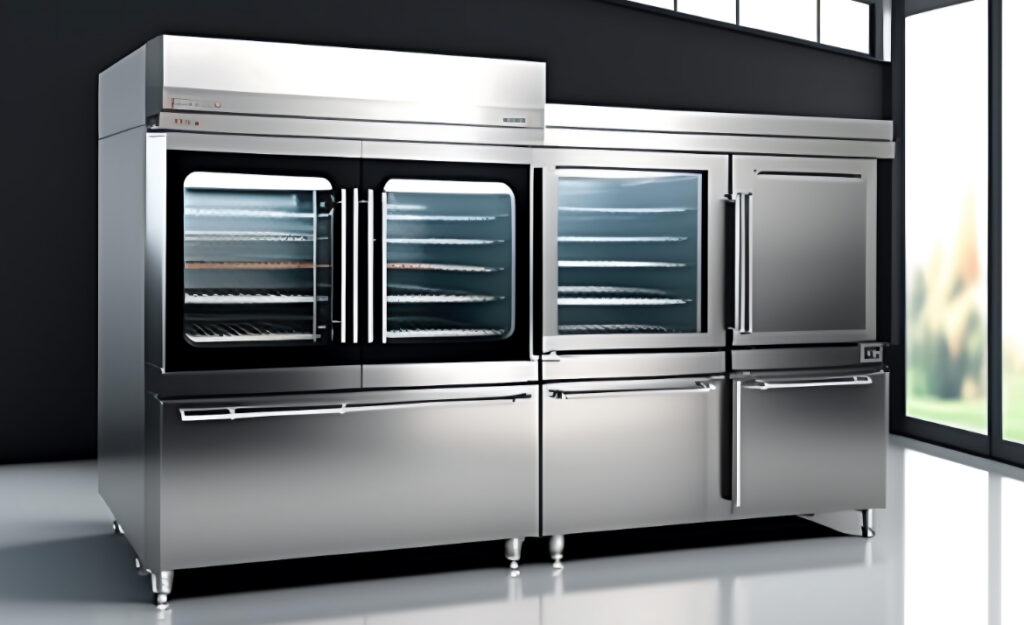


Every industrial kitchen manager wants smooth operations. Sneaky frost buildup in freezers disrupts workflow and ice-cold storage, not to mention increased energy bills. Taking clear steps to prevent freezer frost buildup can save time, money, and reduce food waste for every busy kitchen crew.
Frosty freezers don’t just look untidy—they throttle airflow, strain compressors, and force repeated defrosting that throws off tight schedules. Catching the problem early and following the right rhythms of care produce results worth bragging about in food safety audits and staff meetings.
Solid maintenance routines, staff training, and a few strategic upgrades will change the rhythm in your walk-ins and make freezer frost issues a thing of the past. Explore this guide for practical steps, comparison tables, and real-world tactics that bring lasting results now.
Daily Practice Keeps Freezer Buildup at Bay from Day One
A daily freezer check means issues stay small and corrective actions remain simple. Set a visible reminder or include freezer inspection in each opening shift checklist, so it never gets skipped.
Consistent monitoring not only helps you prevent freezer frost buildup, but also guards food stock and prolongs the life of expensive equipment. Staff can quickly spot pattern changes—such as icy spots or sticky hinges—before larger concerns arise.
Checklist Ritual: Keep Your Freezer Flowing
Begin each shift with a walk past the freezer, noting door condition and gasket closure. Run a hand along the door frame—if you feel cold air, a seal may be failing.
Scan interior vents and shelves for ordinary airflow. If you spot a patch of white frost along the back wall or ceiling, take a picture, note the date, and alert your supervisor immediately so the trend doesn’t build unchecked.
Review freezer inventory organization. Crowded shelves or blocked vents disrupt proper circulation, so rearrange items for airflow every time you add new stock to prevent freezer frost buildup in hard-to-reach places.
Quick Response Script: What to Say and Do
When you see unusual frost, a clear verbal script helps: “I spotted excess frost on the upper shelf at 6 AM—should I move inventory or log a maintenance ticket?”
Report specifics: location, size, and any changes since yesterday. Documenting these details ensures that maintenance leads can make fast, informed decisions and prevent freezer frost buildup from becoming routine.
Defrosting small patches on the spot with a soft spatula is safe, but never use sharp objects. If the build-up is widespread or recurs, escalate the concern with urgency to management.
| Inspection Step | What to Look For | Action | When to Escalate |
|---|---|---|---|
| Door Gasket | Gaps, cracks, cold spots | Clean, align, or replace if torn | If sealing fails repeatedly |
| Interior Walls | Frost patches, drips | Wipe/defrost, photograph unusual buildup | If size increases in 24 hours |
| Air Vents | Blockage, visible frost | Clear blockage, report persistent frost | If ice returns after clearing |
| Shelves & Product | Clutter, frost on items | Re-organize, discard affected stock | If spoiled goods appear |
| Compressor Noise | Unusual sounds, running extra cycles | Monitor, clean coils | If noise/frequency worsens |
Pinpoint Entry Points for Moisture and Stop Problems at the Source
Addressing how warm, humid air sneaks into your freezer helps teams prevent freezer frost buildup before it becomes a constant chore. Target these entry points to measurably decrease ice buildup inside.
Focus inspections on vulnerable seals, busy staff routines, and heavy foot traffic during rush hours. Taking proactive steps reduces the strain on evaporators and compressor cycles, leading to lower utility bills and steadier temperature control.
Sealing the Envelope: Staff Actions & Protocols
Team members finishing a delivery can mindlessly prop the door open, letting clouds of kitchen air sweep inside. Assign a designated receiver at the freezer door to limit open-door times during unloading.
- Close freezer doors quickly to minimize air exchange; even two seconds can make a difference in high-humidity environments. Stand by the door and nudge it shut after each use, rather than leaving it half-open for a colleague.
- Clean frozen hinges and door tracks weekly to ensure smooth, tight closure. Use a soft bristle brush and avoid pulling with excessive force—making hinges stiffer by bending them serves no one.
- Replace cracked or brittle gaskets at first sign of trouble. If you can see daylight through the seal or feel cool air seeping, log a maintenance ticket and flag the gasket for urgent replacement.
- Organize product so quick access is possible. Store high-use items near the front, making trips shorter and limiting open-door exposure to kitchen air, which can quickly turn into a prevent freezer frost buildup problem.
- Install strip curtains for extra protection during deliveries. These transparent hanging strips act as a humidity shield while letting employees move freely between zones without slowing down.
Every team member enforcing these habits can feel confident knowing their diligence reduces excess ice and future repair calls, making oversight manageable without ever being a bottleneck for fast-paced service.
Humidity Control: More Than Just a Setting
Beyond sealing and speed, invest in a dedicated dehumidifier for the space surrounding industrial kitchen freezers to further reduce unwanted moisture that feeds frost accumulation.
- Monitor humidity levels with a wall-mounted gauge outside the walk-in freezer. Digital displays or colored indicator dials provide actionable feedback at a glance. Stay within manufacturer-recommended ranges to avoid both frost and static shocks from dry air.
- Run kitchen exhaust fans during defrost and cleaning cycles to lower ambient moisture. Turning them off too soon can let invisible vapor resettle in and raise future ice risks.
- Keep mop water, produce deliveries, and waste disposal far from freezer entrances. Wet floors or leaky bins drag extra moisture right to the fault line, leading to rapid frost accumulation on surfaces inside.
- Bundle cleaning and inventory checks so doors are only opened once for multiple tasks. Practice stacking chores together so temperature and humidity spikes don’t keep repeating over a shift.
- Flag and isolate wet packaging materials from store rooms and supply carts. Any wet cardboard or shrink-wrap close to the colder freezer zone introduces condensation, which the fans distribute quickly.
Documenting improvements in frost prevention with side-by-side humidity readings helps justify purchases of new equipment and training hours for smarter future planning.
Smart Defrost Cycles for Consistent Results
Scheduled defrosting lets you prevent freezer frost buildup without interrupting work or risking product safety. Automated cycles deliver measurable benefits, but manual checks catch gaps that machines miss in busy kitchens.
When scheduling defrosts, select times when inventory is lowest—late nights or just after morning restock. This keeps operations smooth while meeting food safety and maintenance targets.
Crisis Defrost: Stay in Control During Emergencies
If an iced-up coil suddenly blocks airflow or a runaway door lets frost run wild, act immediately. Move affected product to a backup unit and power down the malfunctioning freezer if safe to do so.
Clip a sign to the door, date the event, and keep a written log accessible for auditors. Staff should team up: one person monitoring power and one clearing safe patches of frost by hand.
If water pools on the floor, absorb with cotton towels—never use electrical fans near water. Notify facilities staff to tackle the root moisture source before reloading the freezer and resuming normal shifts.
Defrost Cycles: What to Automate and What to Monitor
Automated defrost systems cycle at intervals set by the manufacturer. But check for skipped or partial cycles, which missed severe frost can indicate. Listen for unusual fan or compressor noises after a cycle ends.
If staff notice spotty frost on the evaporator, enter a maintenance request immediately, even if automation seems to work. Layered oversight guards against rare, high-stakes malfunctions that only a human can catch.
Always follow up by checking drainage and door seals before the next cycle. Staff syncing manual spot-cleaning with automation guarantees you prevent freezer frost buildup without overtaxing any one solution.
Temperature and Airflow Basics: Tune Equipment for Maximum Efficiency
Adjusting freezer temperature settings and airflow patterns in industrial kitchens isn’t just best practice—it actively reduces the chance of frost returning and snares issues early.
Mismatched temperatures, poor sensor calibration, or overloaded shelves cause invisible dominoes to fall, pushing humid air into dead spots and triggering ice. Tuning these details each quarter keeps freezer uptime high.
Temperature Monitoring Routines Build Reliability
Staff should document freezer temperature three times a day—opening, midday, and closing shift. Use a calibrated digital thermometer for best accuracy, noting even small blips outside recommended ranges.
If readings trend up, inspect for blocked vents, overloaded shelves, or failing fans. Fixing these quickly keeps food safe, power bills low, and can prevent freezer frost buildup before it becomes a full-blown issue.
Use analogies: just as your car dashboard warns of engine trouble, your freezer’s digital readout flags issues invisible to the naked eye. Responding to alerts keeps everything purring along.
Optimize Air Circulation for Total Protection
Stagger product placement for room between boxes at every shelf level so air can flow freely throughout. Don’t let large bags or packages sit pressed to evaporators or sensors.
Install wire shelving instead of solid racks where possible, giving cold air full access around every corner. Routine reorganization helps staff spot hidden frost and catch small leaks.
If ice repeatedly forms on one side of the unit, try shifting nearby shelves or adjusting the fan’s angle if adjustable. Tiny tweaks can yield surprisingly big results in circulation and frost prevention.
Involve Every Team Member for Lasting Results
Building a culture of shared responsibility keeps frost out and operations running smoothly. Teams that treat freezer care as everyone’s job see real improvements over time without constant oversight.
Clear communication, targeted training, and leadership engagement ensure freezer routines become second nature for both new and experienced staff. When everyone chips in, performance soars and emergencies dwindle.
Training Moments that Stick
Pair new employees with experienced team leads who model best freezer habits on their first week. Hands-on demos (such as finding the coldest shelf or spotting a weak gasket) create lasting memories.
Celebrate teams who log zero incidents of frost buildup with tokens or positive feedback in meetings. Staff share stories and solutions, cementing best practices into the daily workflow.
Use onboarding checklists that include freezer monitoring so new hires recognize its purpose—not just as a task, but as a step guarding freshness, safety, and workplace reputation.
Accountability and Incentives
Assign rotating freezer “champions” who set weekly quality benchmarks: spotless seals, clean vents, or empty frost logs. Rotate this role each month so all team members see the freezer’s impact on workload and waste.
If an incident arises (recurring frost, product loss), meet as a team to root-cause the problem together. Empowering open dialogue clarifies that fixes rely on collaboration, not blame.
Link routine successes to broader kitchen performance. The same skills preventing freezer frost buildup help eliminate spills, cross-contamination, and delivery delays—results everyone can celebrate.
Conclusion: Consistent Freezer Maintenance Sets the Standard
Combining daily monitoring, moisture control habits, tuned equipment, and shared responsibility helps any industrial kitchen smoothly prevent freezer frost buildup. Each measurable step builds confidence among teams and improves kitchen performance year-round.
Industrial kitchens that make maintenance visible don’t just protect their inventory—they model food safety and equipment excellence for every visitor and health inspector. Over time, small routines pay big dividends in utility savings, staff morale, and minimized repairs.
With actionable checklists, smart upgrades, and unified teams, any food service operation can set a gold standard. Now is the time to reinforce these proven practices, ensuring equipment reliability and food safety are never left to chance.
Frequently Asked Questions
What causes freezer frost buildup in industrial kitchens?
Freezer frost usually results from warm, humid air entering through poorly sealed doors or frequent openings. Overloaded shelves and missed defrost cycles can also trap moisture and encourage ice to accumulate, impacting food safety and energy bills.
Does opening the freezer door too frequently increase frost?
Yes. Every time the freezer door is opened, moist air enters, which condenses and freezes inside. Short, purposeful door openings along with quick product retrieval keep this problem to a minimum in industrial settings.
Are automated defrost cycles enough?
Automated cycles handle most routine frost. However, manual inspections should supplement automation to catch skipped or incomplete defrosts and ensure fans, sensors, and drainage are all functioning correctly for total frost prevention.
When should seals and gaskets be replaced?
Replace seals or gaskets as soon as you spot cracks, loss of elasticity, or visible light coming through when the door is closed. Fast action here prevents moisture ingress, which directly reduces excess ice and temperature fluctuations.
Which products help most to prevent frost buildup?
Strip curtains, humidity gauges, and high-quality replacement gaskets are proven, simple upgrades. Regularly scheduled staff training and visible daily checklists combine with these products to provide lasting, organization-wide benefits in frost prevention strategies.