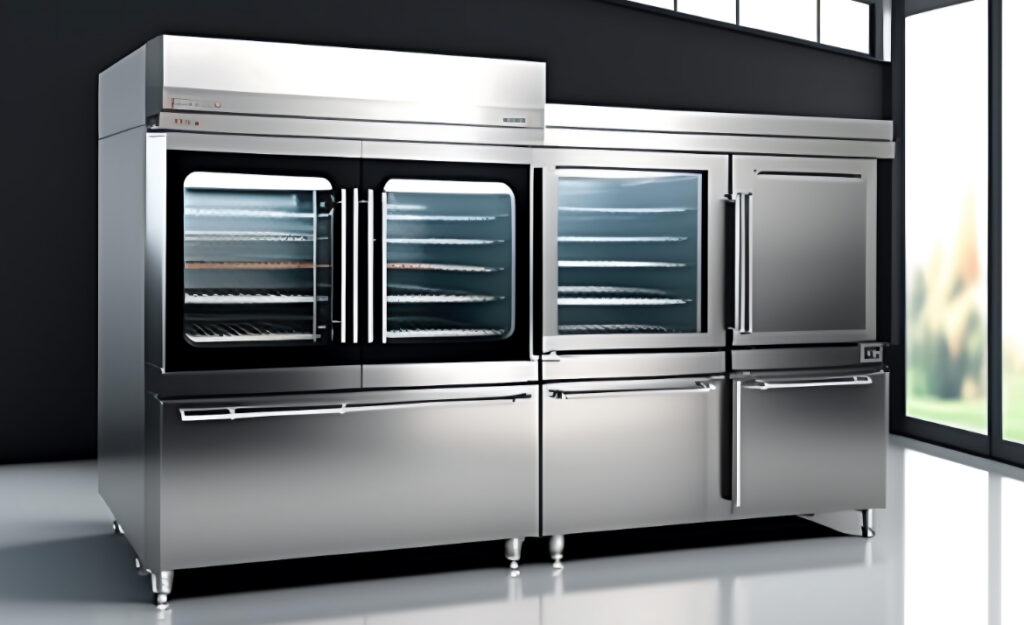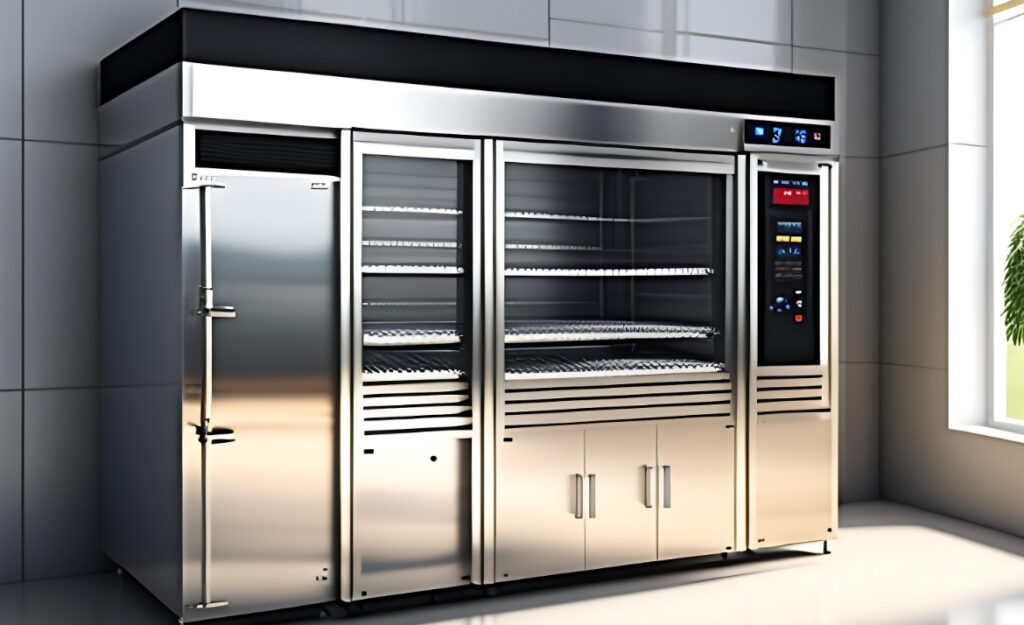


A walk-in freezer running smoothly can be the unsung hero in an industrial kitchen. Hidden in the background, its reliability matters every day. When you blend expert walk in freezer maintenance tips with practical habits, you can dodge costly surprises.
Many kitchen teams juggle dozens of daily priorities; sometimes, freezer care slips down the list. This isn’t just about saving on repairs or passing health inspections—consistent maintenance safeguards food safety and brings peace of mind.
Read on to discover step-by-step approaches, real-scenario examples, and simple rules you can implement quickly. Take charge of your industrial kitchen’s uptime and get strategies to extend your walk-in freezer’s lifespan.
Keep Airflow Clear to Cut Down on Energy Waste
Clearing airflow zones around your walk-in freezer pays dividends in lower energy bills and reliable cooling. Keeping vents, fans, and condenser coils open and clean means less strain—and fewer headaches—for technicians and staff alike.
Picture a team member double-checking for stacked boxes near the evaporator fan. Instead of “It should be fine,” they say, “Let’s move these to keep the fan breathing.” Small moves add up fast when practiced daily.
Watching for Blocked Vents: What Works Best
Reading a checklist out loud, a kitchen helper glances behind shelves for packaging blocking top or side vents. When they spot trouble, they shift items calmly. This daily habit becomes muscle memory and prevents surprise shutdowns caused by blocked airflow.
Even a few inches of clearance makes a difference. “Every box matters,” a chef jokes—soon, everyone’s checking more closely. Better airflow equals fewer temperature swings and less food at risk.
Try adding visual reminders by vents: a colored tape line, for example, keeps access obvious. If the line vanishes beneath boxes, it’s time to restack. This quick aid makes compliance second nature for rotating staff.
What to Do When Ice Buildup Starts
As soon as thin ice appears on coils or in corners, a seasoned kitchen manager knows action beats waiting. Don’t ignore it: arrange a quick defrost cycle, then wipe moisture away with food-safe towels. Set a calendar reminder for a follow-up inspection the next day.
Catching ice early stops much bigger problems. For larger buildups, document what you find with a photo. Share as needed so off-shift teams stay in the loop, and agree on clear steps for next shifts: no guessing allowed.
If frost is a recurring issue, check for door gaps or high humidity sources. Each root cause should link to a rule: “Fix the gasket, recheck tomorrow.” This feedback cycle quickly tightens your system and prevents repeat breakdowns.
| Area | What to Clear | Frequency | Best Next Step |
|---|---|---|---|
| Evaporator Fan | Boxes, debris | Daily | Assign end-of-day check |
| Condenser Unit | Dust, grease | Monthly | Vacuum and wipe coils clean |
| Door Vents | Tape, spills | Weekly | Wipe and inspect for cracks |
| Shelves | Overflow, crowding | Bi-weekly | Redistribute items evenly |
| Drain Lines | Ice blockages | Monthly | Flush with warm water |
Spot Clean and Inspect Seals for Consistent Temperature Control
Cleaning and checking door seals directly reduces temperature fluctuations and energy loss. This simple step ensures your walk in freezer maintenance tips translate into tangible food safety improvements every week.
Catch rips in gaskets early, and a manager can order replacements before a health inspector points it out. One chef noticed, “This seal’s sticky,” and after cleaning, the temperature dropped quickly back to target range.
Routine for Cleaning and Inspecting Gaskets
Wipe down freezer door gaskets using warm, soapy water each week. Run a finger along every fold; if you feel crumbs or notice stiffness, note it down. Replace torn gaskets quickly to prevent leaks and higher energy usage.
- Set recurring calendar alerts for weekly inspections, so no staff forgets. Missing a single week can allow damage to go unchecked.
- Train new hires on visual and tactile checks during orientation; hands-on walkthroughs cement this habit.
- Log inspection results, noting exact door locations for clear follow-up. Digital logs (on a tablet or shared file) boost team accountability.
- Order extra gaskets in advance, storing them in a labeled, easily accessible spot for quick swaps.
- Clean up spilled sauces immediately to reduce gummy residue and sticky gaskets, which prevent proper sealing and lead to frost buildup.
Establishing these routines builds a proactive team that notices seal problems before they escalate. Even minor improvements in sealing contribute to big energy and food savings over time.
Debris and Grime: The Silent Saboteurs
Sauces, oils, and food bits inevitably find their way into gasket folds. Left ignored, their residue forms sticky zones that pull at rubber or vinyl, making door seals fail sooner than expected and triggering silent energy losses for months.
- Work top-to-bottom, removing large particles with a damp towel, then wash the entire seal for a deep clean each Friday.
- Keep a dedicated brush—such as a soft-bristled toothbrush—specifically for seals to lift out stuck gunk fast and gently.
- Inspect after each clean, squeezing the gasket to check springiness; it should pop back, not stay dented. This reveals replacements needed early.
- Store chemical cleaners in locked cabinets away from food areas, using only approved solutions on food-contact surfaces.
- Start a hygiene log sheet: each time a staff member cleans, they initial and date it, building a visible team culture of care.
If a sticky or hardened spot remains after cleaning, flag it for the next shift—instead of hoping it’ll disappear—so no manager is left guessing about responsibility.
Schedule and Track Preventive Maintenance for Zero Surprises
Committing to a preventive maintenance calendar delivers fewer breakdowns and more predictable costs for industrial kitchens. When you act early, walk in freezer maintenance tips transform from theory to a working system everyone can trust.
Shared maintenance logs and clear onboarding for technicians create a safety net. “We catch most issues during checks,” says one supervisor, “then document what to do before they get worse.”
Documenting Work and Sharing Across Shifts
Dedicated logbooks or digital logs provide a single point of truth for maintenance actions, inspections, and incident reviews. Each team member writes clear, time-stamped entries, such as: “10am – cleaned condenser fins, no brush issues.”
Visible tracking cuts finger-pointing when issues arise and allows patterns to be recognized early. Share logs between kitchen, management, and repair techs to boost trust across each handoff.
At shift change, a quick summary—“We found low pressure at 2pm, called tech for check”—lets new team members step in with all the right background in seconds, not hours.
Checklist Example for Weekly or Monthly Freezer Maintenance
Assign at least one person per shift to run through the freezer checklist. Items include temperature verification, seal checks, coil cleaning, alarm testing, and drain inspections. Use dry-erase boards or digital checkboxes for instant visibility and reminders to stay current.
If a step is skipped, the next shift flags it immediately instead of assuming it’s done. Consistency here minimizes mistakes. Post scripts on freezer doors: “Check alarm battery, note date, sign off.” Rapid accountability fosters reliability.
This detailed approach becomes cultural habit. Staff, even new hires, absorb rules: “We’re a checklist kitchen.” That attitude means fewer emergencies and tighter cost control for every kitchen manager on the rotation.
Calibrate Thermostats and Data Loggers for Safer Food Storage
Precise calibration helps every team guarantee safe storage temperatures year-round. Walk in freezer maintenance tips always highlight device accuracy: if readings drift, food costs and spoilage risk rise quickly.
Technicians adjust thermostats and verify digital data loggers at regular intervals, using reference thermometers. “We check calibration at the start of every month—just as we check fire extinguishers,” explains one equipment lead.
Mini Checklist for Device Calibration
– Compare freezer thermostat reading against a certified reference thermometer placed centrally on a mid-level shelf.
– Adjust control settings until both match within 2 degrees Fahrenheit.
– Re-check at both the top and bottom shelves because temperature stratification happens naturally.
– Document all changes in the maintenance log.
– If any device shows more than 2 degrees variance, replace or recalibrate it before logging more data or storing sensitive goods.
A kitchen making calibration part of the Monday opening routine never wonders if food might be at risk. The minute a mismatch appears, it’s fixed without debate or delay. Accuracy here is non-negotiable for health and compliance.
Train Your Team in Freezer Safety Protocols to Prevent Accidents
Training all staff in walk in freezer maintenance tips and safety routines reduces accident risks and maintains uptime. New hires receive hands-on demos; experienced team members refresh skills through quick monthly drills and debriefs after incidents.
Staff who supervise entry or exit say, “Glance at the safety release, check footing,” before stepping in. These words become quick rituals everyone practices on autopilot because feedback is instant and supportive.
Safety Debriefs and Role-Playing Scenarios
After a near-miss—such as a slippery floor—a short team huddle reviews the incident: “Maria, what did you do? What can we do better next time?” Everyone walks through the scenario, not just to tick boxes, but to memorize safer habits.
Role-playing entry and exit protocols means every shift feels real. Staff exchange scripts: “If the alarm sounds, exit and signal for help.” Over time, this game-like training translates into fast, professional responses in emergencies.
Rotate the trainer each month, so every staff member has a turn explaining rules. This keeps skills current and reinforces leadership throughout the team.
Conclusion: Reliable Freezer Maintenance Delivers Cost Control and Kitchen Confidence
Daily walk in freezer maintenance tips, like airflow checks and seal cleaning, guard your investment and boost team performance. Track your efforts, and you’ll notice fewer emergencies and unexpected bills each quarter.
From weekly gasket spot-cleaning to detailed calibration routines, each action adds resilience to your industrial kitchen. Show staff these steps matter—ownership rises, and food quality stays high even on the busiest days.
Building these walk in freezer maintenance tips into your kitchen culture makes reliability routine, not an exception. Start today with one new habit, and your team will benefit on every shift for years.
Frequently Asked Questions
What’s the most critical walk in freezer maintenance tip for industrial kitchens?
Maintaining clear airflow around fans and coils is essential. Obstructed air movement causes temperature spikes, overworked compressors, and unexpected product spoilage. Combine this habit with regular checks for best results.
How often should door gaskets be inspected in a busy kitchen?
Weekly checks are best. Supervisors should run fingers along gaskets to feel for sticky spots or cracking. Replace anything that fails the spring-back test to keep cold air sealed inside.
Why does scheduling routine professional maintenance matter for walk-in freezers?
Technicians spot motor wear, leaks, and calibration drift before problems escalate. Scheduling regular checks leads to consistent cooling, maximum lifespan, and accurate temperature logs that pass regulatory inspections with ease.
How can teams quickly clean freezer shelves without damage?
Use mild, food-safe cleansers and soft brushes. Remove items, wipe down, dry thoroughly, and replace stock. Cleaning during routine inventory reduces time and prevents cross-contamination or ice formation under awkward storage bins.
What documentation boosts accountability for walk in freezer maintenance?
Logbooks—whether digital or on paper—track who performed each inspection, what was found, and any corrective steps. Review logs during staff meetings. This record-keeping promotes a proactive approach and prevents missed steps during shift handoffs.