
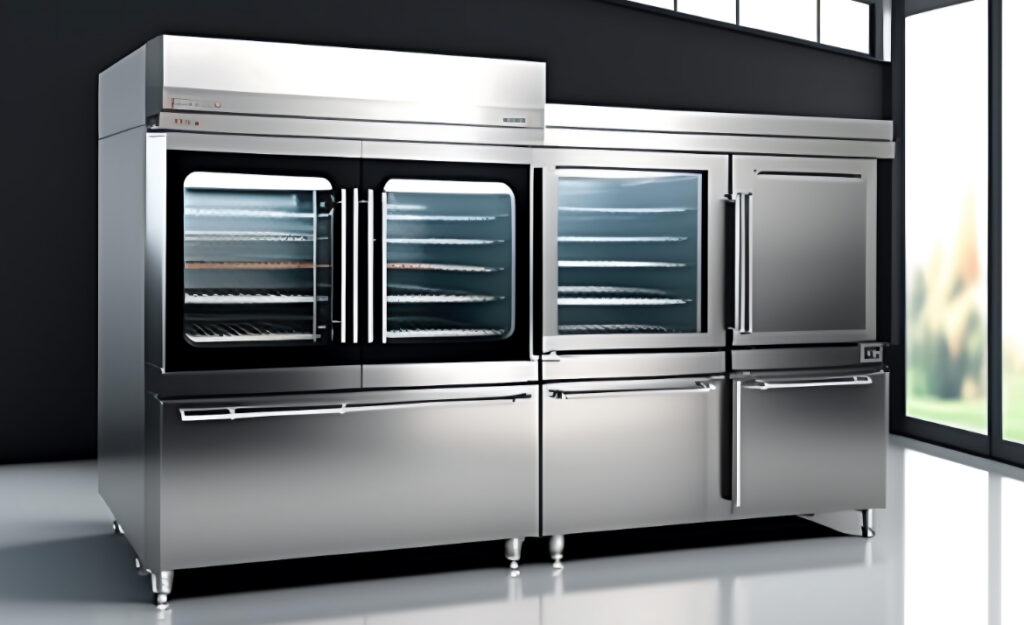

Walk into any bustling industrial kitchen and you’ll see a flurry of hands reaching for ingredients. A split-second delay adds up. That’s why teams that organize commercial refrigerators with smart layouts enjoy smoother service and less waste.
Restaurants, cafeterias, and catering facilities all face the challenge of keeping things fresh and easy to reach. Organizing commercial refrigerators impacts not just workflow but also food safety, costs, and staff morale.
Explore proven techniques and real-world scenarios that let you transform cold storage from a headache into a productivity booster. Ready to rethink your refrigeration strategy? Let’s dive into the methods that make it work.
Sorting Categories Sets the Kitchen Tone from the Start
Establishing a clear sorting system puts everything in its right place — literally. In an industrial kitchen, every action matters when you organize commercial refrigerators. Cooks stop searching, and food spends less time in the temperature danger zone.
Place raw proteins far from ready-to-eat items. This is both a health code requirement and a practical way to keep prep lines running safely and efficiently throughout busy shifts.
Spotting the Logic in Zoning Can Prevent Hazards Fast
Picture a chef grabbing spinach right after someone stores raw chicken above it. An improper layout can turn a simple grab-and-go into a risk for cross-contamination. Organize commercial refrigerators by designating zones for proteins, dairy, produce, and prepared items.
Staff say, “Dairy always goes above juices,” and everyone follows suit. Test the zone system with sticky notes as temporary markers. Gather feedback from the team after a week and adjust placements to match real daily patterns.
Zones make it easier to enforce handwashing and glove changes. Once a cook remembers there’s a specific ‘raw meat shelf,’ harm is minimized and cleaning routines are simplified.
Labeling Eliminates Guesswork and Builds New Habits
Printed shelf labels act as silent reminders for staff rushing to get orders out. When new hires join, they adapt quickly—”That’s the salad section — no question.” This supports compliance and reduces friction between shifts.
For best results, use water-resistant labels and bold print. Match label colors to product zones: red for meat, green for produce, blue for dairy. This creates day-to-day consistency and fewer misplacements.
Check labels weekly for smudging or peeling. Replace as needed to keep the system effective. Simple visible cues, like arrows or icons, are especially helpful for multilingual teams or in noisy kitchens where verbal directions get lost.
| Zone | Product Examples | Label Color | Action Step |
|---|---|---|---|
| Top Shelf | Dairy, cooked, ready-to-eat items | Blue | Store above all raw ingredients |
| Middle Shelf | Produce, eggs | Green | Keep separated by containers |
| Bottom Shelf | Raw meats, seafood | Red | Never place above other foods |
| Door Storage | Condiments, low-risk items | Yellow | Monitor temperature fluctuations |
| Drawers/Bins | Prepared sauces, backups | Orange | Keep labeled with use-by dates |
Shelf Elevation Principles Prevent Spoilage and Speed Up Service
Arranging shelves by item type prevents accidental spills and ensures fast pickups. When you organize commercial refrigerators by gravity — heavy meats low, deli up high — there’s less mess and less food waste.
Servers and cooks reach consistently for the right item at the right height. It streamlines the handoff process during peak rush periods, shaving seconds off every plate.
Directing Staff to Shelves by Height Outperforms Organizing by Category Alone
Write a shelf chart showing raw meats at the lowest level, fresh vegetables above that, with prepped items near eye level. Pin this chart on the fridge door.
Every Friday, have staff review and reset the order if products are migrating from their assigned shelves. This habit prevents “category drift” and reinforces best practices.
Heavy containers at floor level also reduce the risk of spills onto ready-to-eat items. It’s a simple but powerful way to protect food and people at the same time.
- Stack meat trays on bottom shelves to avoid drips contaminating other foods. Always use leak-proof pans to add extra insurance and easy cleanup.
- Assign high-visibility space for eggs and dairy at chest height. This keeps fragile items safe from being crushed by heavier, bulkier containers.
- Never overload the fridge doors. Heavy bottles in these spots can cause hinges to wear out, and the temperature fluctuates in door zones more than inside.
- Use risers for small items, like sauce containers, so staff can grab without searching. Layered storage boosts both visibility and efficiency in sharable spaces.
- Keep inventory rotation guides next to main racks. These laminated cheat sheets help everyone remember the right first-in, first-out (FIFO) order during busy service periods.
Follow these steps, and you’ll see fewer trips back and forth across the kitchen—especially when the lunch rush starts.
Optimizing Fridge Access Reduces Conflict during Service
Many kitchens struggle with bottlenecks when cooks converge on narrow cold storage. By designating left- and right-side access lanes, teams can avoid traffic jams and speed up their workflow.
- Route entry and exit paths around refrigerators, not through busy prep stations. Mark pathways with floor tape for clarity and compliance.
- Set time blocks for batch prep when large items need moving. Teams know to hold off during these windows, so the line doesn’t break rhythm or miss orders.
- Install a visual cue, like a flip sign, that reads “Stocking in Progress.” Staff get a clear signal to reroute, avoiding crowding or collisions during restocks and checks.
- Anchor mobile refrigeration units near specialty stations (dessert, salad, grill). This gives quick access without clustering everyone around a single opening in service.
- Train new hires to vocalize their moves: “Behind you — grabbing eggs from the left.” This habit reduces missteps and models best practices for returning kitchen staff.
Remember, physical layout tweaks aren’t just about maximizing space—they shape habits, improve teamwork, and create a smoother working environment.
FIFO Routines Enforce Reliability from Day One
Setting up a FIFO (First In, First Out) routine ensures nobody skips over older items and waste is reduced. Kitchens that organize commercial refrigerators with FIFO principles keep ingredients fresher for every dish.
Start each shift by pulling older stock forward, placing new deliveries at the back. The kitchen’s pace starts and ends with this simple but powerful timing habit.
PIN Reminder Tags Make FIFO Unforgettable
Attach reusable “Use First” tags to high-turnover items whenever a new box is opened. That way, staff see at a glance which carton to grab next, keeping FIFO top of mind for everyone.
Rotate tags at every delivery—don’t wait until bins run low. Teams can update the system in seconds, ensuring no old inventory gets forgotten behind piles of new stock.
Managers can reinforce this habit by doing quick FIFO spot-checks on daily walks. Masks stay up, hands are sanitized, and quality stays consistently high.
Daily FIFO Checklist Gives Even Rushed Shifts a Structure
Pin a simple checklist on the fridge: “Check dates, rotate front, restock back.” Every cook hits these three steps before service. Use bright paper for easy visibility among sticky order slips.
For batch prep days, add extra items: “Purge unauthorized items, report low stock.” Check marks next to each task provide feedback for the next shift—no more guessing if FIFO was followed overnight.
Give verbal reminders to the team: “Check the FIFO list, please. We have new deliveries.” These cues build routine and reduce reliance on memory alone.
Container Choices Shape Organization and Cleanliness
Switching from random bowls to matching, clear containers increases the chance of ingredients staying visible and fresh. Industrial kitchens that organize commercial refrigerators with uniform containers save time when grabbing the right product.
Containers with snap-lock lids and date labeling windows make prep-line transitions seamless. Staff instinctively reach for the right size, and inventory visibly shrinks with every service period.
Using Stacking Containers Doubles Shelf Space without Sacrifice
Select stackable containers designed for commercial use. They should lock in place, preventing tipping or crushing of delicate produce on crowded shelves.
Stack containers two or three high, always leaving the smallest on top. This prevents tilting and maximizes shelf real estate while supporting easy cleaning underneath.
When a container empties, return it to a dedicated cleaning tub. Staff instantly see which bins are ready to use, keeping both speed and organization top tier.
Clear Containers Make Inventory and Allergen Checks Simple
Clear bins reveal product types and remaining amounts instantly. No need to stop and open containers, which streamlines allergen checks for front-of-house and kitchen staff alike.
Color-code labels on containers for allergen separation: purple for nuts, yellow for gluten-free, green for produce. This visual system supports quicker, safer decisions at a glance.
Team leads conduct quick visual surveys before service, confirming nothing is missing or misplaced. This preventive habit supports allergy protocols and boosts staff confidence.
Scheduling Cleanouts and Maintenance for Lasting Results
Prioritizing weekly deep cleans ensures every corner stays sanitary and visually organized. Teams who organize commercial refrigerators around regular maintenance catch leaks, spoiled food, and malfunctioning parts before they become bigger problems.
Pair downtime cleanouts with quick temperature and seal checks. A rhythm of care gives commercial fridges longer life and prevents surprise breakdowns or wasteful spoilage on busy days.
Making the Most of a Maintenance Logbook
Post a visible maintenance log right on the fridge door or nearby wall. Require initials for every completed task, like gasket inspection or interior wipe-down.
Supervisors set a schedule—like Monday for deep cleans, Thursday for temperature audits. This structure holds every shift accountable, no matter how hectic the kitchen gets.
Spot issues quickly: “Seal needs replacing,” or “Unit humming louder than usual.” Early reporting prevents costly repairs and lost stock in the future.
Organizational Wins: Consistency, Compliance, and Reduced Stress
Organizing commercial refrigerators builds consistency—a trait every industrial kitchen needs for lasting results. When staff see the system working, they trust it and keep things running smoothly shift after shift.
Every audit goes more smoothly, with labeled sections, visible FIFO routines, and regular cleanliness logs. Health inspectors appreciate visible compliance, and teams face fewer surprises or last-minute crises.
Simple strategies like zoned shelving, labeled bins, and regular resets lead to less stress. Managers swap reminders for high-fives as the fridge becomes a model of order and efficiency.
Frequently Asked Questions
The implementation of a clear zone and shelf system, such as grouping proteins on lower shelves and ready-to-eat foods on top, often provides immediate safety and workflow improvements in industrial kitchens.
How frequently should industrial refrigerators receive a deep clean?
Weekly deep cleans are best practice for industrial refrigerators, targeting all shelves, drawers, and doors. Pair this with daily spot cleans and temperature checks for ongoing sanitation and regulatory compliance.
Which containers work best in commercial fridge settings?
Choose commercial-grade, clear containers with air-tight lids that stack securely. These reduce spills, increase visibility for faster inventory checks, and resist stains and odors better than home-use alternatives.
How can smaller kitchens avoid clutter inside commercial refrigerators?
Implement FIFO routines and strictly defined shelf zones, paired with frequent purges of unused or expired goods. Uniform container sizes and transparent bins further help eliminate wasted space and misplaced items.
What’s a simple cue to help staff maintain order throughout service?
Attach easy-to-read, color-coded labels and provide a shelf chart at eye level in or near the fridge. These tools make it simple for all team members to follow the established system every shift.