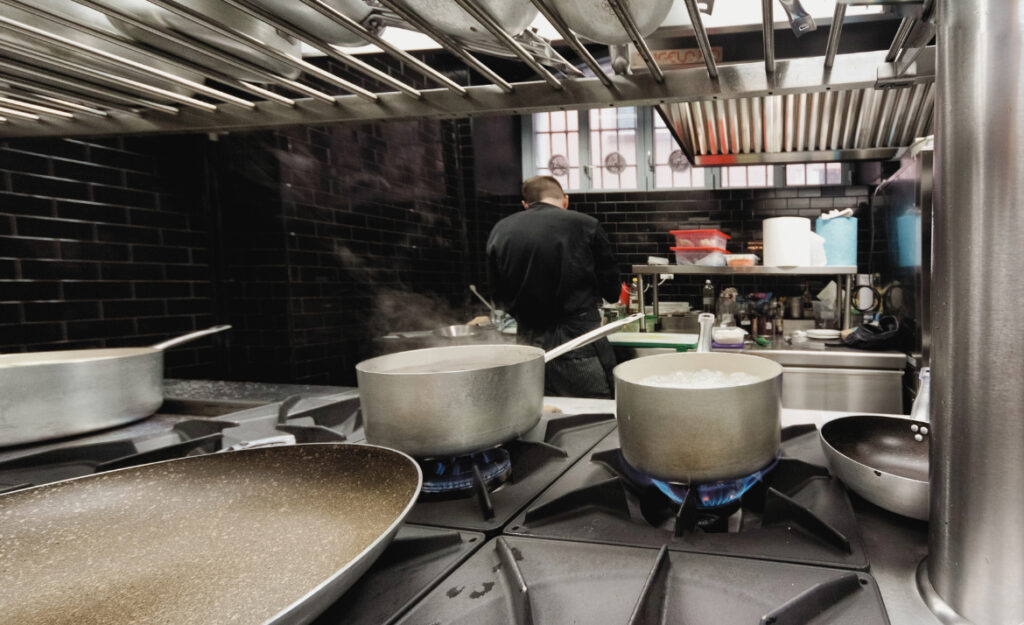
Busy industrial kitchens run on reliability and speed, and the secret link is sturdy, well-cared-for burners. People who want to extend life of gas burners treat routine maintenance like clockwork, making breakdowns rare.
Minor gas burner issues can quickly snowball into downtime or safety hazards. Teams never want the stress of lost orders or repair calls in the middle of a shift. Reliable burners shape confidence and flow.
This article walks you through practical ways to extend life of gas burners in industrial kitchens—backed by realistic advice and real-life techniques that anyone on your team can implement right away.
Daily Routines That Preserve Burner Performance
Effective teams see daily tasks as the foundation for trouble-free burners. Sticking to a simple set of routines each day keeps damage and costly replacements far away.
When a cook says, “Let’s wipe the burners before closing,” they’re stopping grease buildup—the number-one cause of restricted flame and premature wear.
Map Out a Closing Checklist
Staff follow a nightly checklist to end every shift. This list covers wiping burners, checking caps for alignment, and looking for scorch marks or residue.
When each task is checked off systematically, surprise malfunctions on the morning shift go down. Reliability improves because nothing slips through the cracks at the end of a busy day.
Assigning closing duties by name creates shared responsibility. A posted checklist near the kitchen clock makes tracking easy—one look shows what’s been skipped or completed.
Address Spills as They Happen
Cooks who address spills on the spot don’t give food residue a chance to harden. If something boils over, staff are expected to gently blot away debris once burners cool.
It’s easier to clean a fresh spill than to chip away cooked-on grime hours later. Staff who act quickly form a habit: “If you spill it, you clean it—right away,” becomes the rule.
Proactive habits prevent gunk from endangering burner parts every time a new shift starts. This keeps performance high and cleaning times short across each busy week.
| Task | Frequency | Why It Matters | Takeaway Action |
|---|---|---|---|
| Wipe Burner Tops | Daily | Removes grease before buildup starts | Use a non-abrasive cloth after each shift |
| Check All Cap Alignments | Every Shift Change | Ensures consistent ignition and flame | Visually align caps before use |
| Inspect for Residue | Daily | Prevents long-term corrosion | Spot clean with gentle cleaner as needed |
| Test Ignition Mechanisms | Weekly | Catches faults before full breakdowns | Report weak sparks for repair |
| Look for Rust or Discoloration | Weekly | Spots early signs of damage | Schedule deep cleaning if issues are found |
Remove Hidden Grime to Prevent Performance Drop
Kitchen managers who schedule regular deep cleaning see fewer emergencies. Grime hides in crevices, so a strategic plan targets problem spots and extends burner lifespan.
People who say, “Let’s dismantle the burners, so nothing gets missed,” keep equipment working longer and avoid crisis repairs when production can’t slow down.
Choose the Right Cleaning Tools
Use soft-bristled brushes or bamboo sticks to remove food debris trapped in burner ports. Avoid metal scrapers, since they can scar surfaces or break delicate parts inside.
- Brush with flexible nylon bristles to reach tight crevices. This prevents clogging and keeps the flame strong on each burner.
- Use lint-free cloths to wipe away dust after scrubbing. This stops build-up from returning almost immediately after cleaning.
- Dismantle caps and rings according to maker instructions. This makes sure no grease remains hidden, which can corrode parts during weekly cleaning cycles.
- Choose gentle detergents made for commercial kitchens. Harsh household cleaners may create toxic fumes or weaken key burner surfaces.
- Dry parts thoroughly before reassembly. Damp components lead to rust, even if the gas burner looks spotless right after cleaning.
Avoid shortcuts by inspecting each section before reinstalling it. This gives peace of mind and fosters a professional pride in well-maintained equipment.
Control Cleaning Frequency Based on Use
High-volume kitchens require deep cleaning more frequently than slow-paced kitchens. Set reminders tied to usage—clean every fifth shift for peak restaurants, every fifteenth for lighter traffic.
- Mark cleaning dates on a wall calendar near the staff area, so nobody forgets or skips the cycle.
- Train new hires in cleaning protocols from day one, reinforcing that safe and efficient burners are non-negotiable for everyone’s job security.
- Keep a backup set of basic cleaning tools, so you’re never short when it matters. Lost or broken brushes mean skipped maintenance in most kitchens.
- Label parts and storage bins, which streamlines reassembly after cleaning and prevents accidental loss or incorrect placement.
- Log each deep clean and review monthly for missed steps. Teams who document work catch small errors before they cascade into bigger problems.
With this embedded system, even an unexpected rush won’t lead to missed maintenance and shortened burner lifespans. Small actions today forestall bigger costs tomorrow.
Small Repairs Prevent Costly Replacement
Teams that tackle minor gas burner issues early protect both uptime and safety. Recognizing symptoms like yellow flames or delayed ignition helps extend life of gas burners without costly interventions.
When someone says, “That flame looks uneven—should we clean the port now?” you know they’re prioritizing long-term equipment health over just getting through the day.
Spot and Respond to Burner Problems
Uneven flames, sputtering, and slow ignition are all signals something’s wrong. Trained staff immediately check ports for clogs or signs of cracking, acting before something breaks fully.
Small verbal cues—”That burner smells odd today”—often catch gas leaks early. Quick repairs, even if it means swapping shifts or calling for a part, lower the chance of full equipment failure.
Encourage a culture where team members speak up. A simple “I noticed this today” can spell the difference between preventive repairs and expensive breakdowns.
Create a Basic Parts Kit Onsite
Keep a shelf stocked with key replacement parts: igniter tips, spare knobs, screws, and gaskets. Having these on hand means fewer delays when repairs come up during peak periods.
A quick example: “We swapped a cracked burner cap mid-lunch rush because we had extras ready.” That swap takes ten minutes but saves hours of lost productivity and future replacement costs.
Assign someone to update the kit every quarter. Label each piece and post a photo inventory on the cabinet door for hassle-free identification and faster response during repairs.
Fuel Quality Affects Burner Longevity
Teams get better results when the gas supply stays clean and consistent. Fuel quality directly impacts how burners light, burn, and resist damage throughout the year.
Users committed to extend life of gas burners request regular gas line inspections to keep impurities from sneaking in and disrupting operations.
Routine Checks and Inspections
Arrange annual checks on gas delivery lines and connections. When professionals spot kinks or corrosion, they correct issues before they turn into expensive emergencies.
Ask, “When was the last time our lines were checked for leaks or water intrusion?” If the answer is unclear, it’s time to schedule a review and log the findings.
For kitchens near construction—or those using backup tanks—inspect quarterly. Broken seals or fouled valves are harder to spot and do the most damage when overlooked long-term.
Monitor Burn Quality and Adjust Usage
Teach cooks to tune burners based on flame appearance. Strong blue flames mean high-quality fuel and good air flow; yellow or flickering flames suggest a gas mixture problem.
If a chef notes flames take longer to reach ideal strength, ask about recent fuel deliveries or dish volume changes. Variable performance usually reflects fuel inconsistencies or airflow imbalances.
Tune airflow vents as needed to maintain optimal burning—record adjustments to develop best practices that match seasonal or supplier changes. Consistency extends burner service life.
Training Staff to Recognize Wear Patterns
Regular training gives every team member the skills to spot and address burner problems before damage gets worse. Scheduled sessions make best practices second nature for all staff levels.
Teams who know what worn burner parts look like are less likely to miss subtle signs—like a new vibration or color shift—that predict upcoming failure.
Show and Tell Sessions for Staff
Hold brief walkthroughs monthly, using worn parts or photos as examples. Show a cracked ring next to a healthy one so everyone knows what to look for.
Invite techs to demonstrate fast checks. New hires learn what “normal” looks like, and veterans spot changes early, so wear never creeps up unannounced.
Role-play a scenario: “Let’s say a ring wobbles—what’s your next step?” Make it interactive so no one forgets the routine or the reason.
Track Patterns Over Time
Create a maintenance log highlighting part replacements and recurring trouble spots. If the same issue comes up on a specific burner, call for deeper inspection.
Review records in monthly meetings and adjust cleaning or usage protocols. Someone might suggest switching pans or adjusting heat cycles, and the log shows if the change produced results.
Encourage staff to contribute observations, sharing real-time problem spots or wins. Teams engaged in this routine take pride in keeping equipment running smoothly, every single shift.
Address Heat and Ventilation for Maximum Efficiency
Optimized burner placement and kitchen airflow do more than keep a space comfortable. They reduce heat stress, which slows wear and helps extend life of gas burners across every service window.
Teams notice, “The burners nearest the vent hood last longest—let’s move high-traffic stations closer.” Such strategic shifts prolong every asset’s working years.
Check and Adjust Kitchen Airflow
Start by reviewing current kitchen airflow patterns. Place a sheet of paper near each burner: if it wavers or pulls strongly, the vent may need balancing.
Cooks reporting “hot spots” or smoky corners usually signal poor venting. Adjust ceiling fans or hoods, and retest. Balanced airflow keeps temperatures consistent and reduces the risk of premature burner fatigue.
Regularly clean ventilation baffles, as grease accumulation undermines their effectiveness and increases ambient heat throughout every working shift.
Rotate Usage for Even Wear
Encourage the practice, “Don’t always use the same burner for fast dishes.” Rotating use prevents chronic stress on one component, spreading wear evenly across all units.
Mark burners for different dish types or times of day. Posting a rotation schedule over the range ensures staff stick to it, building an institutional habit over time.
This simple step delays replacement and saves money, compared to burning out a single station through repetitive, high-heat jobs.
Final Thoughts on Gas Burner Longevity in Commercial Kitchens
Solid habits and team accountability shape durable, efficient burners. Daily cleaning, fast repairs, quality fuel, and consistent training each play a part in extending the service life of industrial burners.
Prioritizing equipment longevity isn’t just about saving money—it keeps kitchens running smoothly, supporting safety and morale. When teams act before problems start, they shape a dependable, responsive workspace.
Every small effort to extend life of gas burners adds up. Apply these strategies for peak uptime, fewer repairs, and years of sustained performance in any industrial kitchen.
Frequently Asked Questions
What are common signs a gas burner needs maintenance?
Watch for slow ignition, discoloration, noisy flames, or uneven flame patterns. Routine inspection lets your team catch small issues before they become big, expensive repairs in an industrial kitchen setting.
How frequently should deep cleaning be scheduled?
Schedule deep cleaning every five to fifteen shifts, depending on kitchen volume. More intensive or high-output operations require greater frequency to prevent blockages and extend burner life across all stations.
Do certain cleaning chemicals damage burners?
Yes. Harsh household chemicals can corrode the metal and emit fumes. Always use commercial-grade, non-abrasive cleaners designed for gas burners to safeguard equipment and supporting systems in your workspace.
Is it safe for in-house staff to perform small repairs?
Routine parts replacement—like caps or igniters—is safe if done with the correct tools and training. For gas leaks or persistent issues, always bring in a licensed professional to avoid risk or regulatory breaches.
How can we tell if poor gas quality is affecting burners?
Yellow flames, inconsistent ignition, or frequent clogging may signal fuel issues. Schedule gas supply and line inspections to rule out contamination. Documenting observed changes helps pinpoint sources of trouble efficiently.