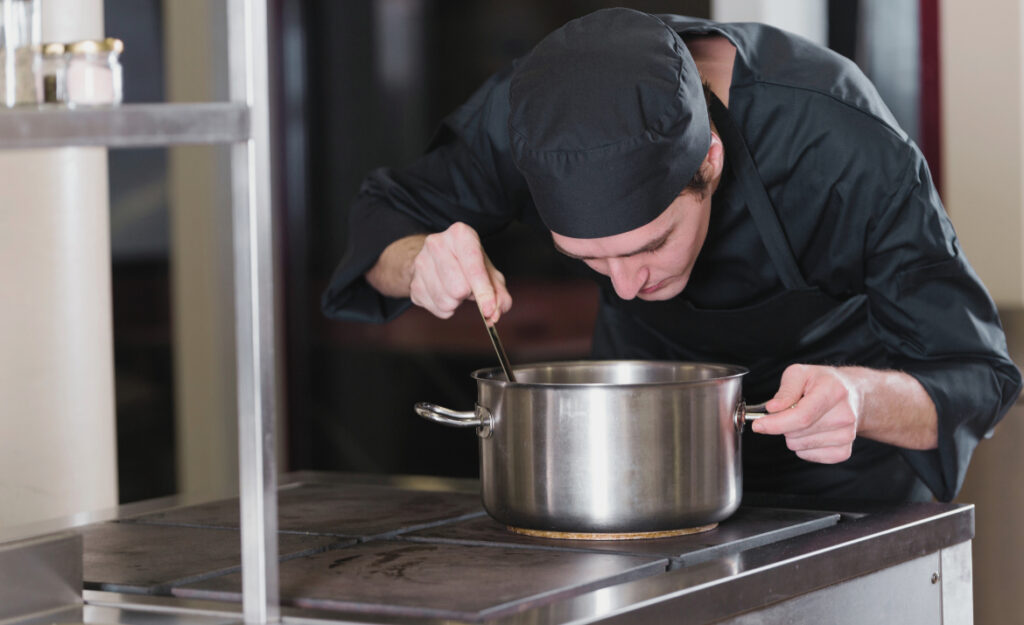
Every chef who steps into an industrial kitchen knows that a smooth service relies on reliable equipment. Deep into a lunch rush, gas oven maintenance tips take on new meaning. An unplanned breakdown can halt service and rack up costs fast.
Industrial kitchens depend on their gas ovens for high-volume, consistent cooking. Regular care doesn’t just protect your investment—it shapes your staff’s workflow and your guests’ experiences. Minor lapses can snowball into major downtime or repairs.
With the right know-how, anyone responsible for a commercial kitchen can spot issues, extend the life of equipment, and maintain safety. Let’s break down the essentials of gas oven maintenance so your kitchen runs at peak efficiency.
Spot Early Oven Issues to Cut Costly Downtime
Early intervention is the best way to prevent costly repairs in a busy industrial kitchen. Small issues like uneven heating or strange smells are your oven’s way of asking for help. Addressing them quickly preserves equipment life.
Many chefs hear a faint clicking or see flames burning yellow instead of blue. These are signs that should spark immediate investigation. Using a checklist helps staff track and respond to these problems before they worsen.
Flame Color: What Changes Mean for Performance
Blue flames indicate efficient gas combustion. If the flame turns orange or yellow, incomplete burning could release dangerous carbon monoxide. The fix is often as simple as clearing burner ports of debris.
In a scenario where a cook says, “Why is my oven burning orange?”—pause cooking and check the burners. A quick brush with a stiff wire brush frequently resolves the problem without calling for service.
After any cleaning, relight the oven and monitor flame color again. If blue doesn’t return, it’s time to call a technician, since persistent yellow may mean a deeper airflow or gas problem.
Unusual Oven Odors: Tracing Causes in the Kitchen
If you catch a rotten egg smell when preheating, that’s usually a gas leak. Step away, turn the shutoff valve to closed, and alert management. Never try to troubleshoot a leak solo.
When the oven smells acrid or burnt, residue buildup could be causing smoke. This occurs when food bits, grease, or cleaning chemicals linger on racks or burners. Schedule a deep clean that night and let staff know to take extra care scraping trays.
Lingering odors even after cleaning can mean burnt wiring or insulation. In this case, the kitchen manager should contact a certified appliance technician to inspect the oven’s internals.
| Issue | What to Look For | Immediate Step | Follow-Up Action |
|---|---|---|---|
| Yellow Flame | Discolored burner flames | Clean burner ports | Call tech if color remains |
| Clicking Sound | Oven igniter clicking | Check for loose wires | Replace faulty igniter |
| Gas Smell | Strong rotten egg scent | Turn off gas, evacuate | Call gas provider |
| Uneven Cooking | Hot/cold spots inside | Recalibrate thermostat | Test with oven thermometer |
| Smoke During Use | Lingering smoke/smell | Clean interior thoroughly | Check insulation & vents |
Maintain Clean Burners for Consistent Heat
Clean gas burners deliver even heat, which avoids poorly cooked dishes. In commercial settings, soiled burners waste gas and slow down service. Build the following upkeep steps into every closing routine.
An industrial kitchen manager might instruct, “After shutdown, remove and soak burner caps.” This hands-on step prevents oily buildup from affecting flame spread and reliability during service tomorrow.
Daily Burner Cleaning Sequence
After evening service, let the oven cool. Remove the grates and burner caps, then soak them in hot, soapy water. Scrub with a stiff brush and dry thoroughly before replacing.
- Remove all racks and burner caps after oven use. This exposes hidden grease and crumbs, making cleaning thorough and quick. Always let each piece dry before reinstalling to avoid rust.
- Use a non-abrasive brush for the flame openings. Built-up debris can clog these tiny holes. Routine brushing keeps flames steady and blue, improving cooking consistency and saving gas.
- Wipe the entire cooktop with a degreaser. Residue hardens overnight if left unchecked. End-of-shift wiping keeps surfaces safe and reduces deep-cleaning time at week’s end.
- Check the burner alignment each week. Bumped or misaligned burners cause uneven flames. Alignment matters most when multiple staff share the same workspace across shifts.
- Test ignition after cleaning. Always ensure the oven reignites smoothly. If ignition hesitates, check that parts are dry and seated properly, then retest before leaving.
Scheduling routine cleaning at close of business makes maintenance manageable. Training the night shift to spot issues early prevents bigger repairs down the road.
Preventing Grease Build-Up
Wipe oven surfaces while still warm but not hot, as grease lifts easier, reducing scrubbing. Postponing this step leads to baked-on grit that’s tricky to remove without chemical cleaners.
- Clean trays immediately after each baking cycle. Food particles cool and harden quickly on hot metal surfaces. Removing them right away means less soaking and scrubbing later.
- Check oven interiors and drip trays during pre-close checks. Drip trays catch overflow—when full, they block airflow and trap odors, so empty them before each new shift.
- Use absorbent cloths, not paper towels, to wipe grease. Cloths lift oil more effectively and don’t break down onto surfaces, which gives you a cleaner oven and avoids lint caught in burners.
- Place a reminder checklist on the kitchen wall. A printed step-by-step keeps new staff on track and standardizes cleaning habits, ensuring no essential step is missed during busy nights.
- Rotate responsibility for deep cleaning so every staff member feels invested. Weekly deep-cleans by different crew members prevent complacency and make sure the quality remains high across shifts.
Establishing cleaning routines keeps equipment reliable. Rotating deep-cleaning duties builds staff accountability and strengthens team pride in a well-running kitchen.
Check Ovens Weekly for Leaks and Drafts in Industrial Kitchens
Weekly inspections protect staff from hazards like gas leaks or exhaust drafts. Unchecked leaks lead to dangerous buildup or unexpected outages during busy meal times.
Picture a team lead checking behind an oven and finding a loose connection. That small fix keeps everyone safe and prevents lost revenue from a mid-service shutdown.
Draft Checking Process
Work in pairs so one person can watch the pilot while the other opens nearby doors or windows. If the flame wavers or flickers wildly, air drafts may be affecting your oven’s efficiency.
Seal obvious exhaust leaks using heat-resistant tape and check for gaps under kitchen doors. Noting airflow changes in a daily log uncovers subtle patterns that affect performance.
This inspection isn’t just about safety. Consistent baking times across shifts mean draft control can impact food quality and staff satisfaction during service.
Gas Leak Detection Steps
Spread a soap-and-water solution on exposed gas joints. If bubbles appear, there’s a leak. This quick test should be part of weekly routine, especially when dishwashers or carts are moved nearby.
Match team members by skill, pairing a junior cook with a senior chef. This way, safety becomes part of the training environment and ensures future staff know what to do.
Always tag and report any leak to the manager immediately, and don’t try to tighten or repair industrial gas lines without professional certification.
Set and Test Oven Temperature Accuracy for Consistency
Calibrated ovens deliver predictable results, crucial for repeatable quality in industrial kitchens. A chef who trusts their oven’s temperature can confidently batch pastries, bread, or roasted meats without second-guessing.
A post-service routine includes using a separate oven thermometer. Log the temperature each week—if the reading drifts more than 10 degrees from the setting, recalibrate right away.
Temperature Recalibration Checklist
Place an oven-safe thermometer on the center rack and preheat to the common baking temperature. Wait ten minutes to stabilize. Compare this reading to the oven dial setting and note any discrepancy.
If temperatures are off, most commercial ovens let you adjust the dial or digital calibration mode. Follow manufacturer instructions or your kitchen manual step-by-step for accurate calibration.
Once recalibrated, log the test on your maintenance board. Communicate the update to all staff so future shifts aren’t caught off guard by changed behavior.
- Always use the thermometer in the same oven location. This eliminates rack height as a source of error and creates reliable weekly data for adjustments.
- Email the calibration log to kitchen management. Managers spot trends, which may indicate deeper issues like aging thermostats or deteriorating oven seals.
- Schedule calibration checks on quieter prep days. This prevents disrupting meal service and keeps error-free cooking at the forefront of every shift.
- If recalibration is needed too frequently, inspect door gaskets and thermal sensors for failure. Consistent error often points to physical wear, not calibration alone.
- Teach all staff how to calibrate. Rotating the job builds team engagement and ensures someone can always step in if another employee is out.
Organize a Proactive Spare Parts System
Keeping a stock of critical spares saves time when something fails unexpectedly. Ovens in heavy use wear through igniters, thermostats, and gaskets faster than residential units.
A chef might say, “Let’s grab the backup igniter from the supply closet and swap it before tomorrow’s prep shift.” This mindset keeps kitchen downtime minimal.
Parts Tracking Made Simple
Label shelves by part type and expiration date so anyone can locate replacements quickly. Use QR codes or spreadsheets to make reordering automatic and accurate after every part used.
Meet monthly with the team to review part usage patterns. Are any igniters or gaskets being used up faster than projected? Pinpoint which workstations see more wear so that targeted training or scheduling can be adjusted.
Record part swaps on a communal whiteboard. When a part is replaced, note the date and reason. This log builds transparency, ensures accountability, and helps identify recurring equipment issues that might need deeper fixes.
Conclusion: Reliable Equipment Drives Industrial Kitchen Success
Gas oven maintenance tips, when woven into daily routines, create a kitchen where performance is predictable and safe. Each habit, from checking burners to calibrating temperatures, pays off in reliability, safety, and quality.
Industrial kitchens thrive with teamwork and clear communication about equipment care. These routines become second nature, letting chefs focus fully on creativity and service rather than emergency repairs or downtime.
Start with one new step this week—train your team, update your checklist, or label spare parts. The right gas oven maintenance habits will protect your kitchen’s investment for years to come.
Frequently Asked Questions
How do I know when my industrial gas oven needs professional service?
Recurring yellow flames, uneven temperatures despite calibration, strong gas odors, or any persistent clicking from the igniter signal professional help is needed. Act immediately to avoid safety risks and prevent severe breakdowns that disrupt kitchen operations.
How can I prevent grease fires in my industrial gas oven?
Remove food residue and wipe grease from oven interiors daily, especially after roasting meats or baking dishes that spill. Keep drip trays clean and schedule weekly deep cleans to prevent greasy buildup that can catch fire during high-volume service.
Why is calibrating my gas oven so important for restaurant cooking?
Accurate calibration ensures an oven delivers the set heat, producing consistent results every time. That means less food waste, more menu consistency, and happier guests who know exactly what to expect when they order from your kitchen.
What’s the safest way to check for gas leaks without special tools?
Mix dish soap with water and spread it on joints and connections. If bubbles form, there’s a leak. Immediately turn off the gas supply, ventilate the kitchen, and report the problem—never attempt repairs without proper certification.
Can I train entry-level kitchen staff to handle basic gas oven maintenance?
Assign simple, repeatable tasks like cleaning burners, changing drip trays, or logging temperature readings to new staff. Pair them with more senior kitchen crew for weekly inspections. Consistent routines build competence and help prevent emergencies during busy shifts.